Virtual Reality (VR) – futureTEKnow Glossary

Virtual Reality (VR) is a cutting-edge technology that immerses users in a fully simulated, computer-generated 3D environment, allowing them to interact with digital surroundings in real time using specialized devices like headsets and motion controllers. VR delivers a believable, interactive experience that can simulate real or imaginary worlds for applications in gaming, education, training, healthcare, and business. Unlike augmented reality, which overlays digital elements onto the real world, VR places the user entirely inside an artificial environment, making them feel as if they are truly present in a different place or reality.
How To Implement VR Surgical Training Programs In Medical Schools

Learn how to implement VR surgical training in medical schools. A guide for virtual reality surgery education programs.
EON Reality

Eon Reality specializes in AI-powered augmented and virtual reality solutions, providing interactive 3D content for education and training. The company develops tools that enable users to create, share, and experience immersive learning environments, enhancing engagement and knowledge retention.
Healing in a New Reality: 21 Companies Harnessing Immersive Technologies for Healthcare

Discover how 21 innovative companies are revolutionizing healthcare with immersive technologies (VR, AR, and MR).
The Promise of Immersive Technology for Language Learning
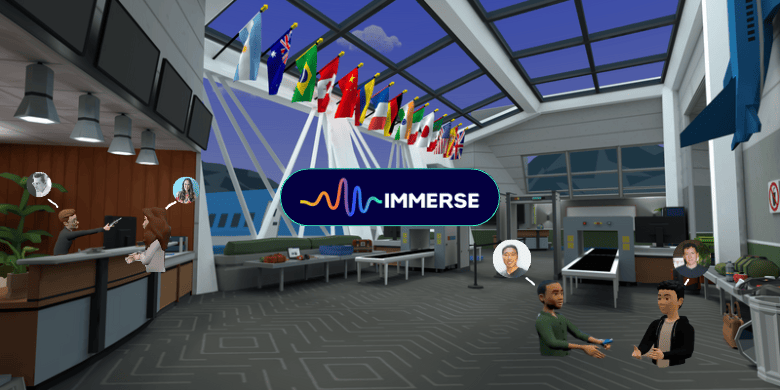
Immerse is a VR language learning app with live interaction in 40+ scenes for immersive, meaningful language learning, based on scientific research for faster, confident learning.
Immersive Technologies Industry Impact: Education

The use of immersive technologies in education, such as using VR to simulate surgeries has already proven to be effective in several areas.
9 Immersive Technologies that Will Continue to Rise in The Upcoming Years
Learn about trending immersive technologies on the rise, including, Virtual and augmented reality, Holographic displays, and Edge Computing.