
Startups & Business News
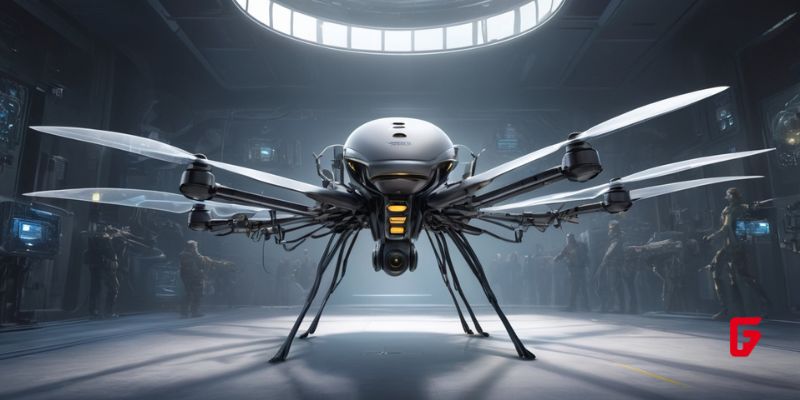
If you thought drones were already getting small, think again. China’s National University of Defense Technology (NUDT) has just introduced a bionic drone so tiny, it could be mistaken for an insect. This mosquito-sized marvel is poised to shake up the world of military surveillance, and it’s a glimpse into the future of micro-robotics and covert tech.
What Makes This Drone Stand Out?
If you thought drones were already getting small, think again. China’s National University of Defense Technology (NUDT) has just introduced a bionic drone so tiny, it could be mistaken for an insect. This mosquito-sized marvel is poised to shake up the world of military surveillance, and it’s a glimpse into the future of micro-robotics and covert tech.
What Makes This Drone Stand Out?
At just 1.3 centimeters long, this drone isn’t just small—it’s engineered to mimic the flight of a mosquito. Its leaf-shaped wings, ultra-light body, and hair-thin legs aren’t just for show. They allow the drone to move like an insect, making it incredibly hard to spot with the naked eye or even with radar.
But the real magic is inside. The drone is packed with ultra-miniaturized cameras and microphones, giving it the ability to capture images, record audio, and even intercept electronic signals. It’s controlled via smartphone, making it flexible for field operations and special missions.
Why Is This a Big Deal?
Military surveillance has always been about staying one step ahead, and this drone is a leap. Here’s why:
Stealth: Its size and insect-like movement make it almost invisible, perfect for sneaking into places where traditional drones can’t go.
Versatility: From tracking individuals to eavesdropping on conversations, its potential uses go far beyond the battlefield.
Engineering Feat: Building something this small and capable required breakthroughs in materials science, bionics, and micro-device engineering.
The Strategic Race for Micro Drones
China isn’t alone in this race. Countries like the U.S. and Norway are also developing palm-sized and micro UAVs for military use. The Norwegian Black Hornet, for example, has already seen action with Western forces. What sets China’s mosquito drone apart is its extreme miniaturization and bionic design, reflecting a broader push for “intelligent warfare” and next-gen robotics.
Real-World Implications—and Concerns
While the tech is impressive, it raises some big questions. Experts warn that drones this small could be used for surveillance in sensitive locations, including government facilities. Their tiny size means limited battery life and payload, but for short, targeted missions, that might not matter.
As these drones become more capable, the line between science fiction and reality continues to blur. The potential for privacy invasion, espionage, and even sabotage is real—and it’s something policymakers and technologists will need to grapple with as the technology matures.
The debut of China’s mosquito-sized bionic drone is more than just a technical milestone. It’s a signal that the future of surveillance—and perhaps warfare itself—is getting smaller, smarter, and harder to detect. As these technologies evolve, staying informed and vigilant will be more important than ever for both industry insiders and the public.
What do you think about the rise of micro-drones? Could they change the balance of power in military tech, or are they just another tool in the arsenal? If you enjoyed this breakdown, follow for more updates on emerging tech and the future of surveillance.

futureTEKnow
Editorial Team
Discover the companies and startups shaping tomorrow — explore the future of technology today.
Most Popular
Trending Companies
Latest Articles
futureTEKnow is focused on identifying and promoting creators, disruptors and innovators, and serving as a vital resource for those interested in the latest advancements in technology.
© 2026 All Rights Reserved.