
Startups & Business News
Why Europe’s Old Power Plants Are Transforming into AI Data Centers
By futureTEKnow | Editorial Team
KEY POINTS
European utilities are transforming old coal and gas power plants into AI-ready data centers, fueling the next wave of tech growth.
Speed to market is now critical, as legacy sites let tech giants bypass up to 13 years of grid delays faced by traditional data centers.
Utilities benefit from long-term, high-margin contracts with tech firms, offsetting closure costs and funding green energy transition.
Massive AI investments—including Europe’s €200B InvestAI package—are accelerating demand for data infrastructure and reshaping the energy landscape.
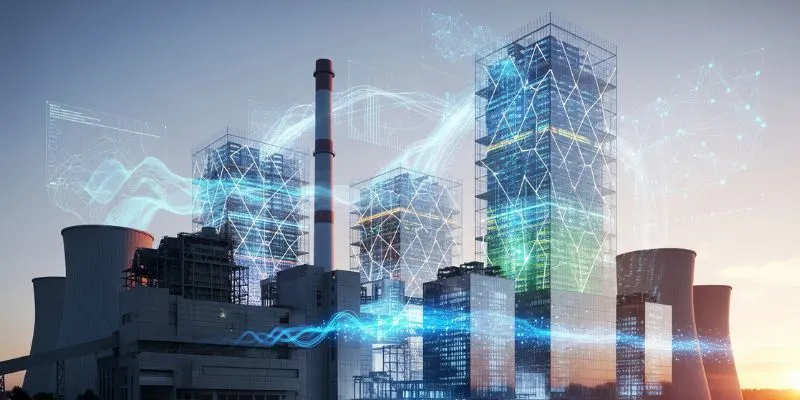
Why Are European Utilities Turning Old Power Plants Into AI Data Centers?
Europe’s most established utilities—names like Engie (France), RWE (Germany), and Enel (Italy)—are riding the surge in artificial intelligence by repurposing decommissioned coal and gas power plants into high-tech data centers. These locations, once symbols of the industrial age, now offer the magic combination for the data economy: ready-made grid connections and robust water cooling infrastructure. As AI and cloud computing go mainstream, this pivot is rapidly changing the physical and economic geography of Europe’s technology sector.
What Makes Speed to Market So Critical for AI Data Centers?
The explosion in artificial intelligence (AI) demand is fueling a race for power—quite literally. Traditional data center builds can be blocked for up to 13 years by grid connection queues, especially in major European hubs like London, Amsterdam, and Frankfurt. In contrast, legacy power plants already have critical infrastructure: grid access, industrial-scale cooling, and water for heat recovery are all baked in.
For tech giants like Microsoft and Amazon, the value is clear: “Speed to power is absolutely the biggest constraint in the European market right now,” says Microsoft’s Bobby Hollis. Building on these sites, “you have all the pieces that come together”. This means AI platforms, hyperscale cloud operators, and real estate developers all benefit from vast reductions in lead time.
What Are the Economic Benefits for Utilities?
For utilities, the economic incentives are profound. Tech companies are willing to pay premiums—up to €20 per megawatt-hour for low-carbon or renewably sourced electricity—to ensure reliable, high-capacity data processing. Instead of simply selling off unused industrial land, utilities can secure long-term power contracts and stable, high-margin revenues. This not only covers decommissioning costs but also funds the transition to green energy, creating a sustainable business loop.
Simon Stanton, head of global partnerships at RWE, underscores that it’s more than just a land sale, “it’s about long-term relationships that de-risk and underwrite your infrastructure investments”. These arrangements can generate hundreds of millions to billions of euros annually, helping utilities transform from fossil fuel stalwarts to central players in the data-fueled economy.
How Is This Powering a Surge in European AI Investment?
Europe is in the midst of an AI infrastructure gold rush. In 2025, the EU launched the ambitious InvestAI initiative, targeting €200 billion for AI projects, while France and the UAE are working on Europe’s largest-ever AI data center with €30-50 billion earmarked. Microsoft alone has promised a 40% expansion in European data capacity over two years, and real estate giants like JLL are brokering conversions at landmark German coal sites.
According to industry trackers, demand for data center electricity will soar from 96 TWh in 2024 to 236 TWh by 2035—nearly a 150% increase. This places data centers at the heart of energy transition, creating new jobs, revitalizing communities, and fueling Europe’s quest for digital sovereignty.
What Are the Risks and the Path Ahead?
While the opportunity is enormous, risks remain. If new data centers continue to rely on fossil-sourced power, they could undermine Europe’s climate targets. Grid congestion across traditional tech hubs means supply delays and higher project costs, pushing developers to new regions like the Nordics and Southern Europe. Successful partnerships will depend on regulatory clarity and rapid investments in renewables alongside digital buildout.
Yet, for those ready to act, converting old energy infrastructure into data-driven powerhouses is a high-conviction play at the intersection of technology and sustainability. Europe’s old smokestacks are suddenly the gateways to the future.
European utilities are turning yesterday’s power plants into tomorrow’s digital fortresses, meeting skyrocketing AI demand and powering the continent’s economic transformation.

futureTEKnow
Editorial Team
Discover the companies and startups shaping tomorrow — explore the future of technology today.
Most Popular



Trending Companies
Latest Articles
futureTEKnow is focused on identifying and promoting creators, disruptors and innovators, and serving as a vital resource for those interested in the latest advancements in technology.
© 2026 All Rights Reserved.