
Startups & Business News
Alphabet’s Generative AI Revolution: How Google is Rebuilding Android From the Inside Out
KEY POINTS
Google is embedding generative AI—centered on Gemini—deeply into Android, transforming phones into intelligent personal assistants.
Android’s on-device Gemini Nano AI model enables real-time, private AI processing for tasks like rewriting, summarizing, and image editing.
Users can now generate images, edit media, and get conversational, context-aware help directly from their phones with new features like Gemini Live and AI-powered photo tools.
This rapid AI rollout marks a pivotal shift as Android evolves from an operating system to a proactive, intelligent platform woven into daily life.
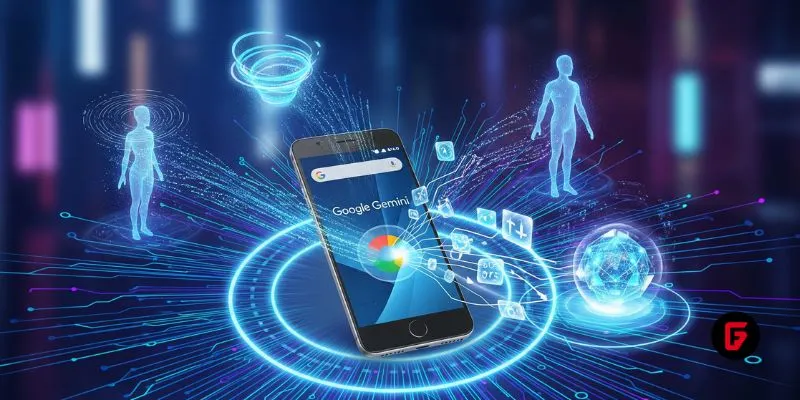
Android Gets Its AI Core: What’s Actually Changing?
The shift isn’t just cosmetic. Android’s soul is being rewritten, with Gemini, Google’s family of cutting-edge generative AI models, at the core. Here’s what this looks like for real-world users:
Gemini-powered Assistant: Say goodbye to the old Google Assistant. The Gemini-based assistant understands natural speech, can follow complex chains of thought, and helps users with multi-step tasks—all while staying aware of what’s on your screen.
AI Overlay for Instant Help: Working in another app? You can now summon Gemini as an overlay to, for example, summarize a YouTube video or extract data from your calendar without switching apps. It even generates images or text in place.
Gemini Live: A conversational Gemini experience—rolling out to English speakers and soon, more languages—that allows users to directly chat, brainstorm, and get creative insights from their phones, on the go.
Advanced Photo & Video Magic: Using AI-powered editors, Android users can now transform photos with “Reimagine”, generate video clips from still photos, or even remix images into comic or anime styles, right in Google Photos.
All of this is native-level fast and, with Gemini Nano running on-device, keeps personal data private—no cloud processing necessary. This breakthrough is key in an age where privacy is a growing concern.
Why is Google Going All-In on Generative AI for Android?
Here’s where Google is betting big:
Ambient Intelligence: The dream is for AI to be invisible but ever-present—a context-aware, proactive assistant that anticipates your needs across every interaction. With control over Android’s core and its distribution to billions of devices, Google has a “data flywheel” few can match, ensuring every interaction helps improve AI for all.
Developer Platform Power-up: With new APIs and tools, Google is empowering developers to easily bake generative AI capabilities into any Android app. Think real-time chatbots, smart content generation, quick photo editing, and custom suggestions—on any device.
Privacy and Local Processing: Gemini Nano makes on-device generative AI practical. Tasks like text summarization, rewriting, and even creating images can happen without sending sensitive data to the cloud, boosting user trust and satisfaction.
What Can Users Expect Next From Google’s AI in Android?
Expect this pace of innovation to only accelerate:
Seamless Cross-App AI: Gemini and its successors will become more deeply interwoven into Android, Chrome, and beyond—making it feasible to get contextual help no matter where you are in your digital world.
Personalization at New Levels: As AI improves, Android will adapt proactively to your habits with smarter notifications, richer creative tools, and even better device security and performance.
Creative Expression Unlocked: Generative AI features like image remixing, Magic Compose in texts, and photo-to-video in Google Photos will make digital creativity more accessible and fun.
AI-Driven App Development: Developers, armed with Gemini models, can rapidly build and launch AI-infused apps, making the entire Android ecosystem smarter and dramatically expanding what’s possible with a phone.
What Are the Most Impressive New Generative AI Features in Android?
Gemini Assistant: Handles complex commands, context-aware help, and smart overlays.
Gemini Live: Live conversational AI with brainstorming and planning abilities.
Magic Editor and Remix in Photos: Turns photos into creative, animated, or stylized content with a tap.
On-Device AI Processing: Gemini Nano delivers fast, private AI capabilities—even while offline.
AI Search & AI Overviews: Instantly summarizes web content, answers complex queries, and enhances search with context-rich results.
How Will Generative AI on Android Affect Daily Life and App Experiences?
The evolution of Android to an AI-centric platform means:
Everyday tasks—from drafting emails to editing photos—become effortless, faster, and more creative.
Privacy and customization reach new heights, with your phone adapting to your unique needs in real-time.
Developers can unleash new types of apps, from intelligent personal coaches to advanced photo and video editors.
Users gain access to next-generation assistants that blend seamlessly into daily routines, never feeling clunky or artificial.

Sofia Klein is a Staff Writer at futureTEKnow, writing about European AI ecosystems, safety research, and the regulatory frameworks shaping how AI gets deployed.
Discover the companies and startups shaping tomorrow — explore the future of technology today.
Most Popular



Trending Companies
Latest Articles
futureTEKnow is focused on identifying and promoting creators, disruptors and innovators, and serving as a vital resource for those interested in the latest advancements in technology.
© 2026 All Rights Reserved.