
Startups & Business News
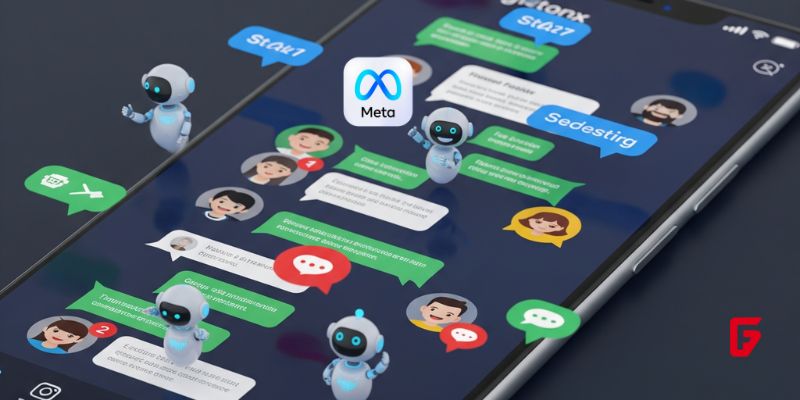
Meta is quietly reshaping the future of digital interaction by testing AI chatbots that can message users first—a bold step that could redefine how we engage with technology on platforms like Instagram, WhatsApp, and Messenger. This isn’t your typical chatbot waiting for a prompt; these new AI personas are designed to initiate conversations, follow up on past topics, and keep users engaged in ways that feel both personal and persistent.
What Makes Meta’s AI Chatbots Different?
Unlike traditional bots that passively wait for user input, Meta’s AI chatbots are being trained to reach out proactively. For example, an AI persona called The Maestro of Movie Magic might send a cheerful message such as, “Hope you’re having a harmonious day! Found any new favorite soundtracks or need help planning your next movie night?” This approach is not just about answering questions—it’s about starting the conversation and building ongoing engagement.
Proactive Outreach: These bots can message users unprompted, referencing previous conversations and offering tailored suggestions.
Customizable Personas: Through Meta’s AI Studio, users can create chatbots with unique personalities and interests, making each interaction feel more relevant and human.
Engagement Rules: The AI will only reach out if you’ve interacted with it (at least five messages), and it will stop messaging if you ignore the first follow-up—aiming to strike a balance between helpfulness and respecting boundaries.
Why Is Meta Pushing Proactive AI Messaging?
The move is about more than just novelty. Meta’s strategy is rooted in increasing user retention and engagement. By making chatbots more conversational and less reactive, Meta hopes to keep users coming back for more dynamic, personalized interactions.
Revenue Potential: Meta projects that its generative AI tools could generate billions in revenue within the next decade, largely through increased engagement, advertising, and new subscription models.
Companionship and Connection: Mark Zuckerberg has highlighted AI’s potential to reduce loneliness by providing users with a sense of companionship—a digital friend that remembers your interests and follows up on them.
How Does This Fit Into the Future of AI and Digital Communication?
This experiment signals a major shift in how AI-powered assistants will operate across digital ecosystems. Instead of simply answering queries, AI is moving toward conversational UX—anticipating needs, remembering context, and engaging in multi-turn dialogues that feel more natural and less transactional.
Entity-Driven Interactions: These chatbots rely on understanding entities (like movies, music, or hobbies) and context, rather than just keywords, to deliver more meaningful and relevant conversations.
Ask Engine Optimization (AEO): As answer engines and voice assistants become central to search and discovery, content and interactions need to be structured for clarity, accuracy, and conversational flow—qualities that Meta’s new chatbots are designed to embody.
What Could This Mean for Users?
For users, the experience could feel both innovative and intrusive. On one hand, there’s the appeal of a digital assistant that remembers your preferences and checks in with timely suggestions. On the other, the idea of unsolicited messages—even from an AI—raises questions about privacy, consent, and the evolving boundaries of digital companionship.
User Control: Meta’s current safeguards require a baseline of interaction before the chatbot initiates contact, and users can effectively “ghost” the bot to stop further messages.
Potential Risks: As with any new technology, there are concerns about overreach, data privacy, and the potential for sensitive information to be surfaced in unexpected ways.
Meta’s proactive AI chatbots mark a new era in digital engagement, blending advanced AI with conversational design to create more persistent, personalized, and context-aware interactions. As this technology evolves, it will challenge both users and platforms to rethink the nature of digital relationships—and the role AI plays in our daily lives.

futureTEKnow
Editorial Team
Discover the companies and startups shaping tomorrow — explore the future of technology today.
Most Popular



Trending Companies
Latest Articles
futureTEKnow is focused on identifying and promoting creators, disruptors and innovators, and serving as a vital resource for those interested in the latest advancements in technology.
© 2026 All Rights Reserved.