
Startups & Business News
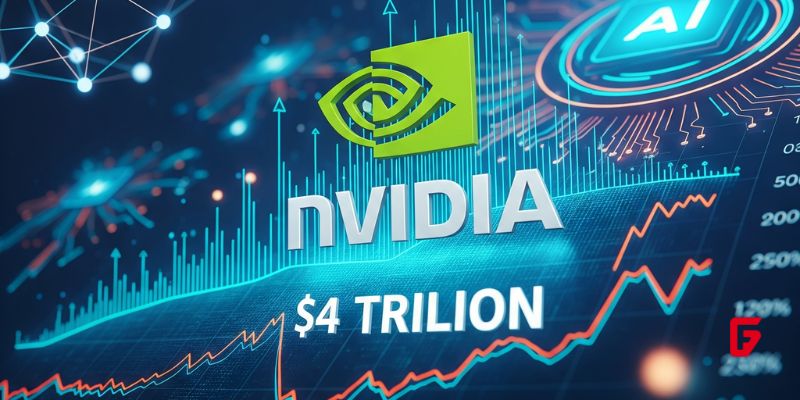
In a historic milestone, Nvidia has become the world’s first company to reach a $4 trillion market value. This achievement cements Nvidia’s status as a dominant force in the global technology sector and signals a new era for the semiconductor and AI industries.
Why Nvidia's $4 Trillion Milestone Matters
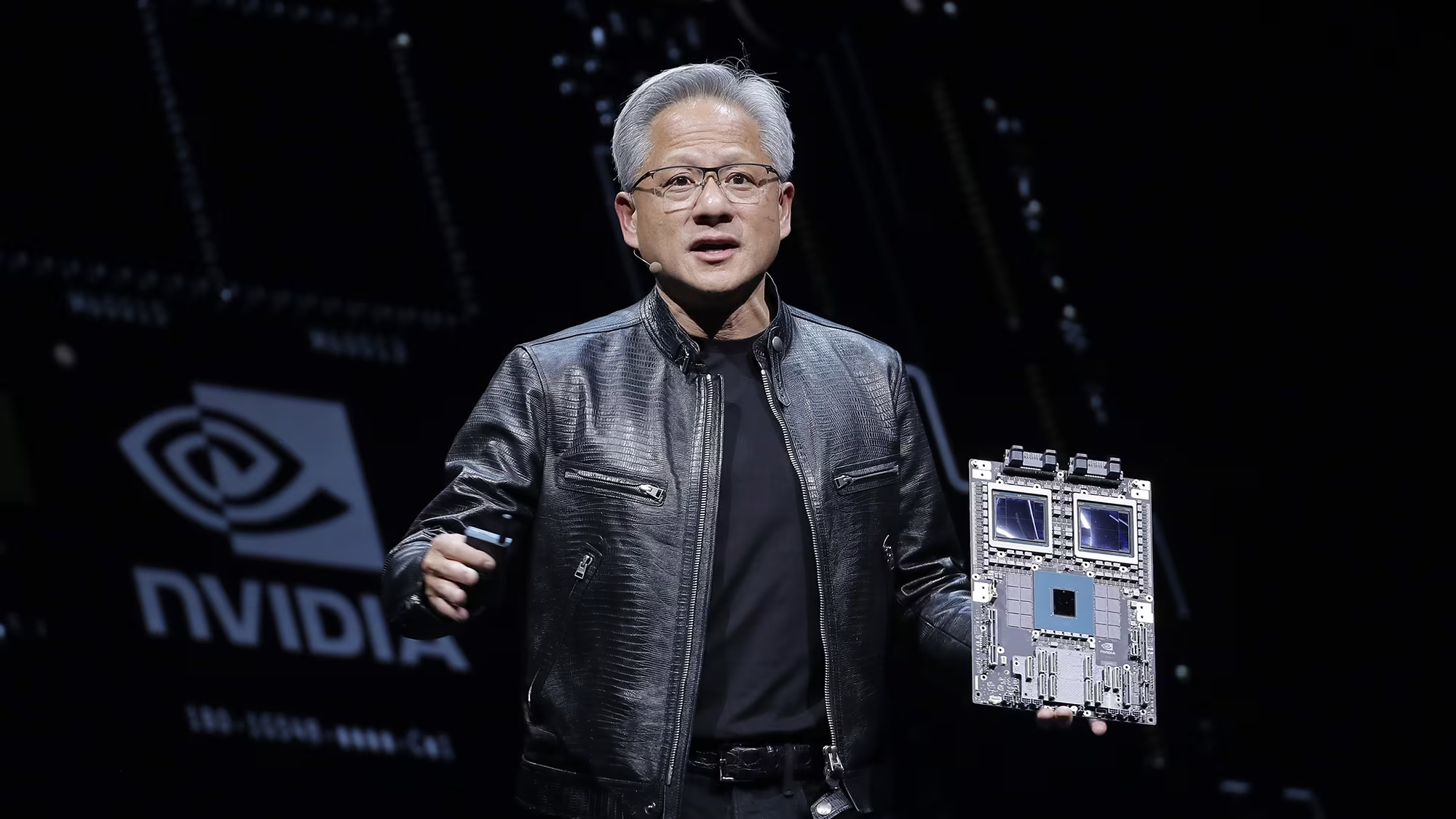
Nvidia’s meteoric rise is driven by its leadership in artificial intelligence (AI) chips and its pivotal role in powering the next generation of computing. As demand for AI accelerates across industries—from cloud computing to autonomous vehicles—Nvidia’s GPUs have become the backbone of modern AI infrastructure.
AI Chip Dominance: Nvidia’s graphics processing units (GPUs) are the gold standard for training and deploying large language models and generative AI systems.
Market Leadership: Surpassing the $4 trillion mark puts Nvidia ahead of other tech giants, highlighting the company’s unique position in the AI value chain.
Investor Confidence: Wall Street’s enthusiasm for Nvidia reflects strong belief in the company’s growth prospects and its ability to shape the future of technology.
The Forces Behind Nvidia’s Growth
Several key factors have propelled Nvidia to this unprecedented valuation:
Explosive AI Adoption: Enterprises are racing to integrate AI into their products and services, fueling demand for Nvidia’s high-performance chips.
Strategic Partnerships: Nvidia’s collaborations with major cloud providers and research institutions have expanded its reach and influence.
Continuous Innovation: The company’s commitment to advancing chip architecture and software ecosystems keeps it ahead of competitors.
What This Means for the Tech Industry
Nvidia’s achievement is more than a financial headline—it’s a signal of broader shifts in the tech landscape:
Semiconductor Power Shift: Traditional chipmakers are being eclipsed by companies specializing in AI hardware and software.
AI as a Growth Engine: The race to develop smarter, faster AI models is reshaping priorities for both startups and established tech firms.
Market Volatility: While Nvidia’s rise is impressive, it also highlights the volatility and high expectations in the AI sector.
Looking Ahead
As Nvidia continues to break records, the company’s next moves will be closely watched by investors, competitors, and policymakers. The $4 trillion milestone is not just a testament to past success—it’s a challenge to maintain leadership in an industry defined by rapid change.
Key Takeaways:
Nvidia is now the first company to reach a $4 trillion market value.
Its dominance in AI chips and strategic partnerships are key drivers.
The milestone reflects the growing importance of AI and semiconductor innovation in shaping the future of technology.
This moment marks a turning point, not just for Nvidia, but for the entire tech ecosystem. The company’s trajectory will influence how industries adopt AI and how markets value technological innovation in the years to come.

futureTEKnow
Editorial Team
Discover the companies and startups shaping tomorrow — explore the future of technology today.
Most Popular
Trending Companies
Latest Articles
futureTEKnow is focused on identifying and promoting creators, disruptors and innovators, and serving as a vital resource for those interested in the latest advancements in technology.
© 2026 All Rights Reserved.