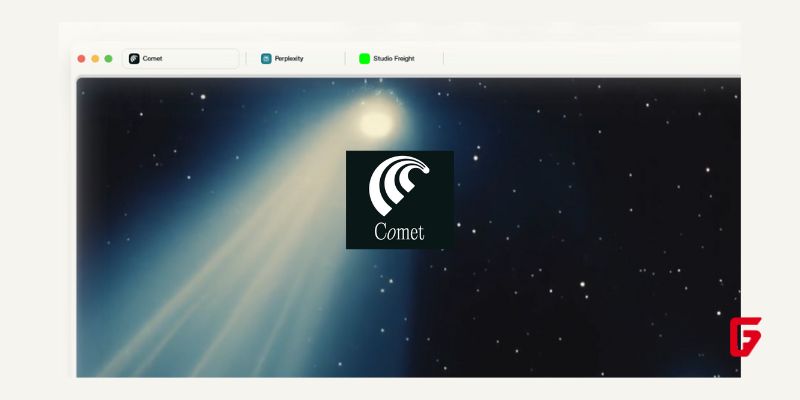
The web browser landscape just got a major shakeup with the launch of Comet, the first browser built from the ground up around artificial intelligence. Developed by Perplexity, the company behind the renowned AI “answer engine,” Comet aims to transform how users interact with the internet by placing advanced AI capabilities at the very heart of the browsing experience.
A New Era: From Navigation to Cognition
Unlike traditional browsers that treat AI as an optional add-on, Comet is designed as an AI-native platform. Its standout feature is the Comet Assistant, a sidebar AI agent that can understand and interact with any active webpage. Whether you want to summarize YouTube videos, analyze Google Docs, or get instant answers about articles, Comet handles it all—no more copy-pasting or switching tabs.
This assistant goes beyond simple Q&A. It can book meetings, make purchases, or even conduct entire browsing sessions on your behalf, collapsing complex workflows into fluid, conversational interactions. The result is a browser that feels less like a tool and more like a cognitive partner—a concept Perplexity’s CEO Aravind Srinivas calls a “cognitive operating system”.
Key Features That Set Comet Apart
Integrated AI Assistant: Ask questions, summarize content, and automate tasks directly from any webpage.
Chromium Foundation: Seamless compatibility with Chrome extensions, bookmarks, and settings for an easy transition.
Hybrid AI Architecture: Local processing for privacy-sensitive tasks, with cloud APIs for more complex operations.
Privacy Controls: Multiple tracking modes, including strict local-only data handling for sensitive workflows.
Native Ad Blocker: Enjoy a cleaner browsing experience without intrusive ads.
Frictionless Migration: Import all your Chrome data in a single click.
Exclusive Launch and Strategic Timing
For now, Comet is available exclusively to Perplexity Max subscribers—a new, premium tier priced at $200 per month. This subscription unlocks unlimited access to Perplexity Labs, early feature previews, and priority use of cutting-edge AI models. A broader rollout is planned, with a waitlist already open for interested users.
The timing is no accident. With OpenAI set to launch its own AI browser and Google facing antitrust scrutiny, Perplexity is positioning Comet as a direct challenger to Chrome’s dominance. The company’s recent partnerships with Motorola and ongoing talks with Samsung highlight its ambition to become a default choice for AI-powered browsing.
Why Comet Matters for the Future of Browsing
Comet’s launch marks a fundamental shift from passive navigation to active cognition. Instead of merely displaying web content, the browser helps you understand, compare, and act—all in real time. From product research to travel bookings, Comet’s AI assistant streamlines tasks that once required juggling multiple apps and tabs.
As users increasingly demand smarter, more intuitive online experiences, Comet’s approach could set a new standard for what browsers can—and should—do. With rapid user growth and a bold vision, Perplexity is betting that the future of browsing is not just about finding information, but about thinking with your browser.
Comet isn’t just another browser—it’s a reimagined gateway to the web, where AI is not an afterthought but the main event. For those ready to embrace the next generation of online interaction, Comet offers a compelling glimpse into what’s possible when browsing meets intelligence.