













By futureTEKnow | Editorial Team
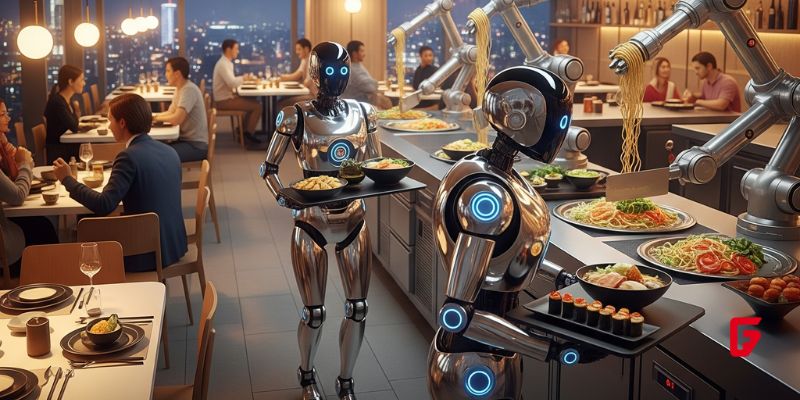
The bustling energy of the 2025 Restaurant Asia and SIGEP Asia trade show in Singapore offered a glimpse into the future of food and beverage. Among more than 400 exhibitors and a record crowd of thousands, one trend stole the spotlight: the surge of robot waiters and chefs in Asia’s restaurant scene.
Driven by advances in artificial intelligence and cutting-edge automation, robotic teams are popping up everywhere from luxury dining halls to casual quick-service eateries. Here’s what’s fueling their popularity:
Unmatched efficiency: Robots can prep, cook, and serve hundreds of dishes per hour, often outpacing traditional kitchens when it comes to speed and consistency.
Labor solutions: With staffing challenges intensifying, robotics addresses chronic shortages by ensuring 24/7 operations and reducing the need for human staff.
Enhanced hygiene and safety: Robotic chefs and servers minimize direct human contact, streamlining food safety and boosting consumer confidence after recent public health concerns.
Consistency through vision systems: AI-powered kitchens use advanced vision technology to guarantee consistent food quality, from precise ingredient portions to flawless presentation.
Optimized supply chains: From real-time inventory tracking to predictive maintenance, AI algorithms keep operations smooth and costs in check.
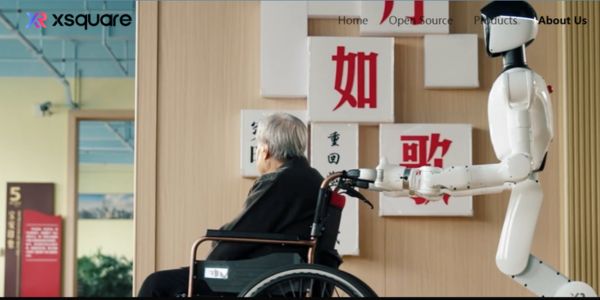
Robot waiters and chefs are increasingly being adopted in Asia, particularly in countries like China, Japan, and South Korea, to address labor shortages, enhance efficiency, and minimize human contact. Here’s a closer look at their prevalence and impact:
Several eye-catching technologies headlined the Singapore expo:
Autonomous kitchen platforms able to prepare Asian, Western, and even fusion cuisines, automatically customize menus based on customer trends, and ensure each plate meets high standards.
Robot fryers and arms showcasing lightning-fast chopping, stir-frying, and precision plating—capable of working continuously without fatigue.
Touchscreen ordering and rail-based delivery systems, letting diners watch as robot arms nimbly assemble and serve each dish, adding a futuristic flair to the dining room.
The impact reverberates throughout the industry:
Personalized dining: AI-driven analytics let restaurants tailor menus and experiences to individual customer preferences.
Faster service: Reduced wait times and seamless order processing make for a more enjoyable meal, especially during peak hours.
Smarter resource management: By reducing waste and predicting food demand, robots and AI support both environmental and business sustainability.
Global competitive edge: Asian cities are fast becoming innovation hubs for food robotics, setting the pace for the rest of the world.
What was once the plot of sci-fi is now shaping reality in Asia’s food landscape. Robot chefs and waiters are redefining what it means to dine out—blending high-tech precision with culinary artistry for the next generation of food lovers. The question now isn’t whether these digital sous-chefs will enter your favorite eatery, but just how soon.

AWS frontier agents introduce a new era of autonomous AI coders that can build, secure, and run applications for days at a time, acting like virtual teammates across dev, security, and DevOps while engineers retain final control over production changes.

Explore the cutting-edge ways AI is enhancing Lean Six Sigma, from real-time process insights to predictive controls, ushering in a new era of operational excellence and efficiency.

Facing supply chain challenges in 2025? High-performing teams leverage AI for risk management, demand forecasting, supplier analytics, and end-to-end visibility to ensure business continuity and resilience.

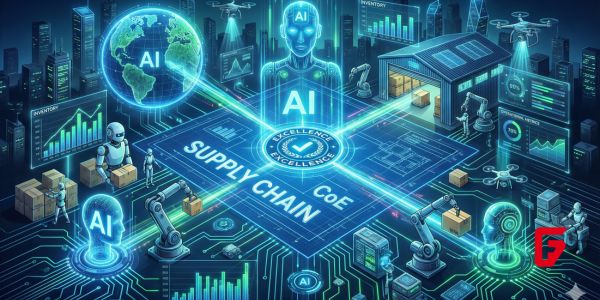
Craft an AI-powered supply chain Center of Excellence that unifies control tower visibility, analytics, and inventory optimization into one strategic hub. Explore this blueprint to learn how a modern supply chain CoE drives resilience, smarter decisions, and operational excellence in the age of AI.

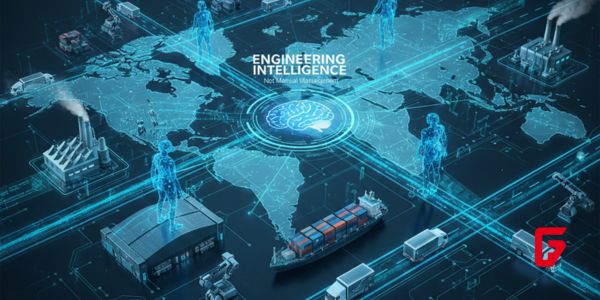
Supply chain leadership is being redefined by AI, intelligent automation, and agentic decision-making, demanding leaders who can engineer end-to-end intelligence rather than simply manage workflows. This article explores how next-generation supply chain leaders will combine data, algorithms, and human judgment to build resilient, adaptive, and high-performing global operations.

Bridgit Mendler’s Northwood Space is pioneering mass-produced ground stations, enabling scalable, high-speed connectivity for the new era of satellite networks and megaconstellations.

SpaceX aims to nearly double launches from Vandenberg in 2025, facing support from federal agencies but strong objections from the state and local communities.

Traditional Medicare will pilot AI-assisted prior authorization in 2026 across six states, focusing on high-risk outpatient services. Clinicians retain final say, but incentives and access concerns loom as CMS tests fraud reduction and “gold card” exemptions. Here’s what providers and patients should know.

OpenArt’s new “one-click story” compresses scripting, visuals, and edits into ready-to-post short videos—fueling viral growth and a fresh IP debate. We break down how it works, adoption signals, what’s next (multi-character, mobile), and practical guardrails creators and brands should follow to stay original and compliant.

OpenAI’s o3 swept the Kaggle AI chess tournament, defeating xAI’s Grok 4–0. The victory fueled the intense rivalry between Altman and Musk, reshaping AI benchmarks.

NASA and Google’s AI-powered Crew Medical Officer Digital Assistant enables autonomous diagnoses for astronauts on Mars missions, redefining remote healthcare for space and Earth.

Pinterest’s CEO confirms that fully agentic AI shopping is years away, as the platform invests in AI-powered tools to enhance discovery, inspiration, and personalized shopping experiences for millions.
To provide the best experiences, we use technologies like cookies to store and/or access device information. Consenting to these technologies will allow us to process data such as browsing behavior or unique IDs on this site. Thanks for visiting futureTEKnow.