The intersection of artificial intelligence and clean energy is creating some fascinating new opportunities—and challenges. One of the most interesting developments comes from Redwood Materials, a company best known for recycling lithium-ion batteries. Now, they’re taking things a step further: repurposing used electric vehicle (EV) batteries to power data centers, especially those built for the growing demands of AI.
From the Road to the Rack: Why Repurpose EV Batteries?
Most EV batteries still have 50% or more of their original capacity left when they’re retired from vehicles. Instead of immediately recycling them, Redwood Materials is giving these batteries a “second life” as stationary energy storage. The logic is simple: these batteries might not be good enough for your car anymore, but they’re perfect for storing and delivering energy at a slower, steadier pace—like what’s needed for data centers.
The World’s Largest Microgrid of Used EV Batteries
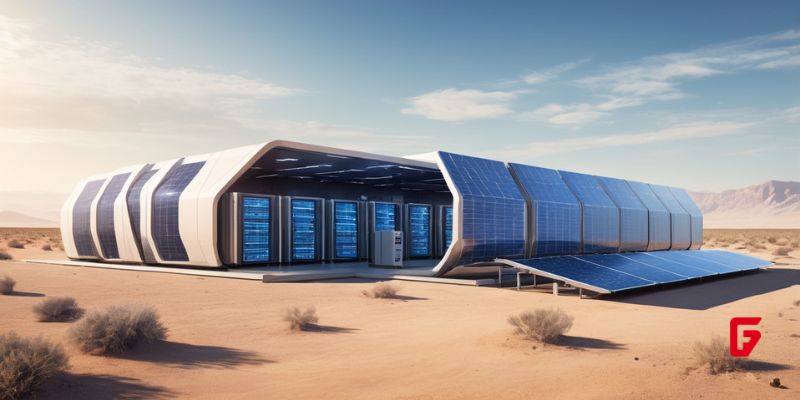
Redwood’s first big project is already up and running in Nevada. Here, 805 retired EV battery packs—collected, tested, and integrated by Redwood—form a 12-megawatt, 63-megawatt-hour microgrid. This microgrid powers a 2,000-GPU data center operated by Crusoe, a company that’s pivoted from crypto mining to AI infrastructure.
The batteries are charged by a nearby solar array, and the entire system is modular, scalable, and off-grid. According to Redwood, this is the largest second-life battery deployment in the world and the biggest microgrid of its kind in North America.
Why AI Data Centers Need This Now
AI data centers are hungry for power—fast. With AI workloads surging, energy demand is skyrocketing. The traditional grid can’t always keep up, and building new infrastructure is slow and expensive. By using repurposed EV batteries, Redwood can deploy energy storage quickly and at a lower cost than new lithium-ion systems. This helps data centers come online faster, with less strain on the grid and lower emissions.
Not Just Green—It’s Good Business
Redwood’s approach isn’t just about sustainability. It’s also about economics. CTO Colin Campbell put it bluntly: “It’s a good economic choice that also happens to be carbon free”. Repurposing batteries is cheaper than building new storage from scratch, and it bridges the gap between battery retirement and eventual recycling. Plus, by getting involved in the second-life battery market, Redwood taps into new revenue streams and maximizes the value of every battery they collect.
Scaling Up: What’s Next?
Redwood Materials is already processing more than 20 gigawatt-hours of batteries each year—about 250,000 EVs worth—and expects this number to grow rapidly. With over 5 million EVs on U.S. roads and more coming every year, the supply of batteries for second-life applications is set to explode. Redwood plans to deploy 20 gigawatt-hours of second-life storage by 2028, supporting not just data centers but also businesses and communities that need resilient, low-cost energy.
This isn’t just a clever way to reuse old batteries—it’s a glimpse into the future of energy and technology. By connecting the dots between EV adoption, battery recycling, and the surging energy needs of AI, Redwood Materials is showing how innovation can solve multiple problems at once. As more companies look for ways to power the age of AI sustainably and affordably, expect to see a lot more “second lives” for EV batteries in the years ahead.