Lux Aeterna Unveils Ambitious Plans for Fully Reusable Satellite Platforms
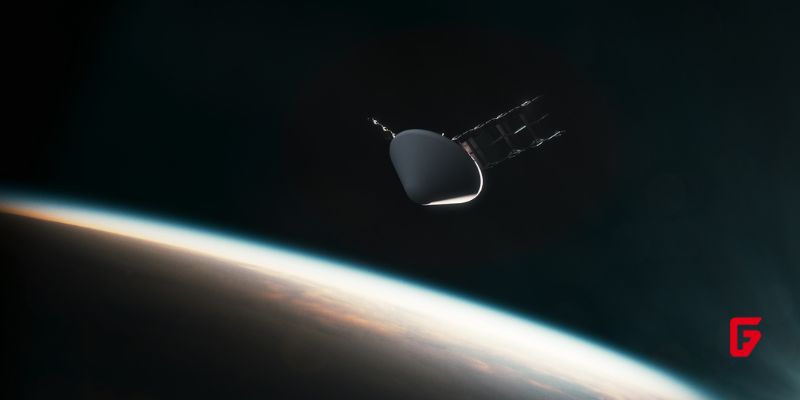
Lux Aeterna steps out of stealth with funding and a vision for a fully reusable satellite platform, aiming to lower costs and boost sustainability in the space industry.
InspeCity

InspeCity is a space technology company developing in-orbit satellite servicing systems to extend spacecraft lifespans and support sustainable orbital operations. Its technology combines green propulsion, robotic manipulation, and autonomous rendezvous, proximity operations, and docking (RPOD) for satellite maintenance and servicing missions. The company’s development programs include GITA, RAMA, CHAKSU, and VEDA, which form part of its planned orbital servicing architecture. InspeCity is working toward spacecraft life extension, in-orbit refueling, and robotic servicing capabilities that could reduce satellite replacement requirements and support long-term space infrastructure.
OrbitAID

OrbitAid is a space technology company developing in-orbit satellite refueling and servicing systems designed to extend the operational life of spacecraft. Its technology combines autonomous rendezvous and docking, propellant transfer mechanisms, and specialized interfaces that allow satellites to receive fuel while operating in space. The company is developing tanker satellites and its Standard Interface for Docking and Refuelling Port (SIDRP) to support orbital maintenance, reduce premature satellite retirement, and establish infrastructure for future in-space servicing operations.
Astroscale

Astroscale is a space technology company that develops satellite servicing and orbital debris removal systems to support safer and more sustainable space operations. Its technology uses rendezvous and proximity operations, robotic capture systems, and spacecraft navigation to approach, inspect, service, and remove objects in orbit. The company works on missions involving inactive satellite removal, spacecraft life extension, and orbital inspection. Its technologies help satellite operators manage aging spacecraft, reduce collision risks, and maintain access to increasingly crowded orbital environments.