


















Toyota is about to make urban living history. Later this year, the automaker will open the gates to Woven City, a first-of-its-kind community designed as a living laboratory for robotics, artificial intelligence, and futuristic mobility. Set at the base of Mount Fuji, Woven City is more than a smart city—it’s a bold experiment in how humans, robots, and AI can coexist and evolve together.
Woven City is a $10 billion, 175-acre development built on the former grounds of Toyota’s Higashi-Fuji plant. The project, designed by renowned architect Bjarke Ingels, is set to welcome its first 100 residents—mainly Toyota employees and their families—this fall, with plans to expand to over 2,000 residents in the future.
The city is envisioned as a real-world testbed for cutting-edge technologies, from autonomous vehicles to AI-powered smart homes.
Robotics and AI Integration: Woven City is designed to weave robotics and artificial intelligence into daily life. Residents will interact with robotic assistants, AI-driven home systems, and even “pet robots” for companionship, especially for older adults.
Autonomous Mobility: The city will feature a network of streets dedicated to robotaxis, bikes, and pedestrians. Underground logistics tunnels will handle deliveries and waste management, while autonomous vehicles will be the primary mode of transportation.
Sustainability: Buildings are constructed from sustainable, carbon-neutral wood and topped with solar panels. Hydrogen fuel cells will power the city, minimizing its environmental footprint.
Smart Infrastructure: Homes are equipped with tablet-like terminals that control up to 100 devices, and access to facilities is managed via facial recognition.
Community and Co-Creation: Woven City is built for collaboration. Residents, called “weavers,” will provide continuous feedback to improve systems and services. The city also features public plazas, parks, and pop-up kiosks to foster community interaction.
Woven City represents Toyota’s shift from a traditional automaker to a mobility innovator. By creating a real-world environment where new technologies can be tested and refined, Toyota aims to develop solutions that can be scaled to other cities worldwide.
The city’s design incorporates feedback mechanisms—both traditional (workshops, surveys) and digital (IoT, digital twins)—to continuously improve urban life. This approach allows urban planners to simulate and optimize systems before deploying them, ensuring that Woven City remains at the forefront of smart city innovation.
Initially, the city will be home to Toyota and Woven by Toyota employees and their families. As the project grows, it will invite external inventors, startups, and other groups to join, fostering a diverse and innovative community.
Toyota’s Woven City is more than a showcase for new technology—it’s a vision for the future of urban living. By integrating robotics, AI, and sustainable design, Toyota hopes to create a model for cities that are safer, smarter, and more connected. The lessons learned here could shape the cities of tomorrow, making Woven City a landmark experiment in the evolution of urban environments.
By blending cutting-edge technology with community-driven design, Toyota’s Woven City is set to redefine what it means to live in a modern metropolis. As the first residents prepare to move in, the world will be watching—and learning—from this unprecedented urban experiment.

Editorial Team
futureTEKnow is a leading source for Technology, Startups, and Business News, spotlighting the most innovative companies and breakthrough trends in emerging tech sectors like Artificial Intelligence (AI), Robotics, and the Space Industry.
Discover the companies and startups shaping tomorrow — explore the future of technology today.

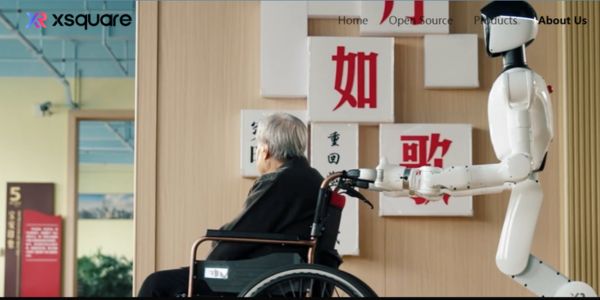
X Square Robot has raised $276M from Xiaomi, Sequoia China, and other internet giants to scale its WALL-A embodied AI
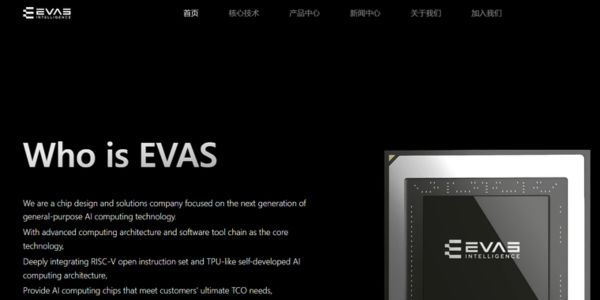
EVAS Intelligence has raised 1.5 billion yuan to mass‑produce its RISC-V Epoch AI chips, deepen its full‑stack platform, and accelerate
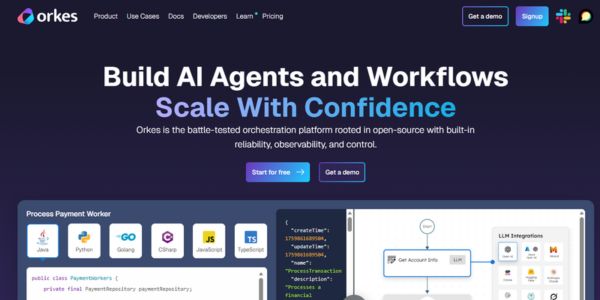
Orkes has raised 60 million dollars to turn its Netflix‑born workflow engine into a control plane for enterprise AI agents.

Paris-based Sillage has raised €1.7 million to launch an AI signal engine that helps enterprise sales teams follow the right
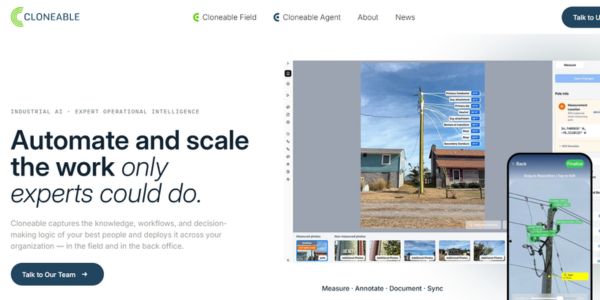
Cloneable is launching an agentic AI platform for infrastructure operations that captures institutional knowledge from retiring experts and turns it
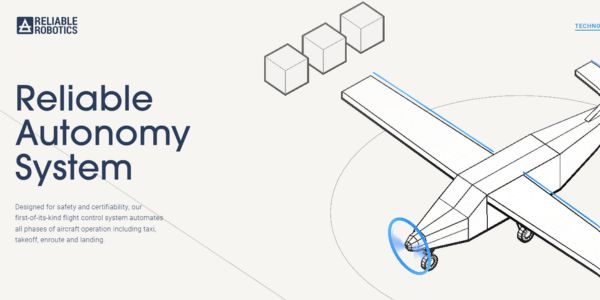
Reliable Robotics has secured $160M to scale production and deployment of its Reliable Autonomy System. This funding marks a pivotal
Excerpt: Ricursive Superintelligence has raised at least $500 million to build self‑improving AI, with GV and Nvidia backing a four‑month‑old

Brazilian startup BOND has raised US$2M to automate accounting for SMEs in Brazil’s complex tax system. Combining AI with human
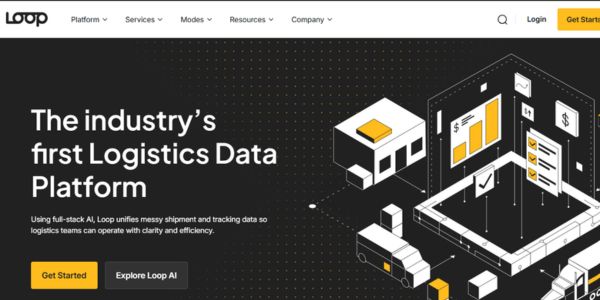
Loop just raised a $95M Series C to expand its AI-native supply chain platform, turning messy logistics data into early
Linkedin X-twitter-square Facebook-square Startups & Business News AI agents are finally moving from demos to the day-to-day stack of real

Factory has raised a $150M Series C at a $1.5B valuation to scale its autonomous “Droids” platform, betting that enterprises

Solidroad has raised $25 million to bring AI-native quality assurance to every human and AI-powered customer interaction. The new funding
futureTEKnow is focused on identifying and promoting creators, disruptors and innovators, and serving as a vital resource for those interested in the latest advancements in technology.
© 2026 All Rights Reserved.