Xona Space Systems Secures $75M to Reinvent GPS with Low-Earth Orbit Satellites

Xona Space Systems lands $75M to launch LEO satellites, promising next-gen GPS accuracy and reliability for autonomous vehicles, robotics, and critical infrastructure.
Oculus Founders Reunite for Sesame: The Next Leap in Smart Glasses and AI Wearables
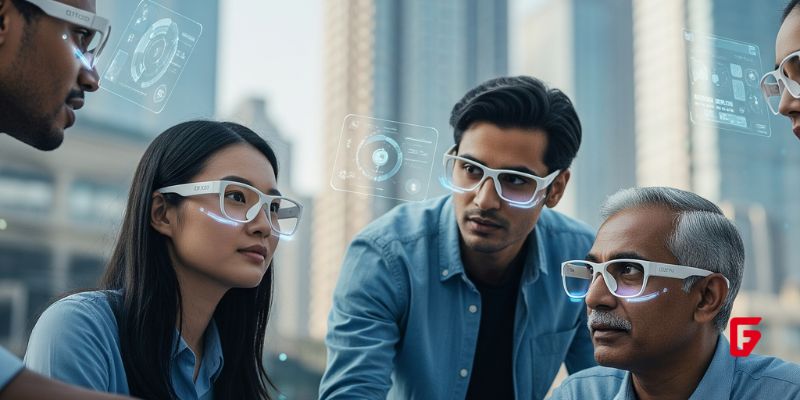
Former Oculus execs reunite to launch Sesame, a smart glasses startup blending AI-powered assistants and all-day wearability. Backed by $57M, Sesame aims to set a new standard in wearable tech.
Alibaba’s GRAPE AI: A Game Changer in Stomach Cancer Detection
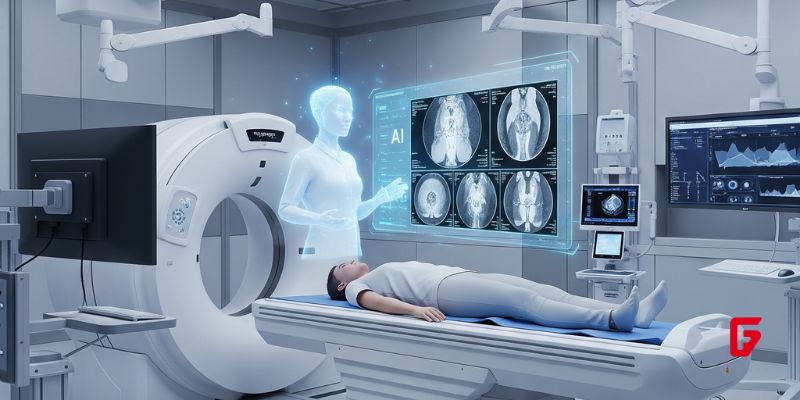
Alibaba’s GRAPE AI model detects stomach cancer from CT scans with higher accuracy than radiologists, offering a breakthrough in non-invasive early detection.
Geodesic Capital’s $250M Bet: Supercharging US-Japan Space and Deep Tech Startups

Geodesic Capital’s new $250M fund targets early-stage US startups in space and deep tech, fostering US-Japan innovation and strategic tech alliances.
Meet Z-Bot and K-Bot: K-Scale Labs’ Open-Source Humanoid Robots Are Changing the Game
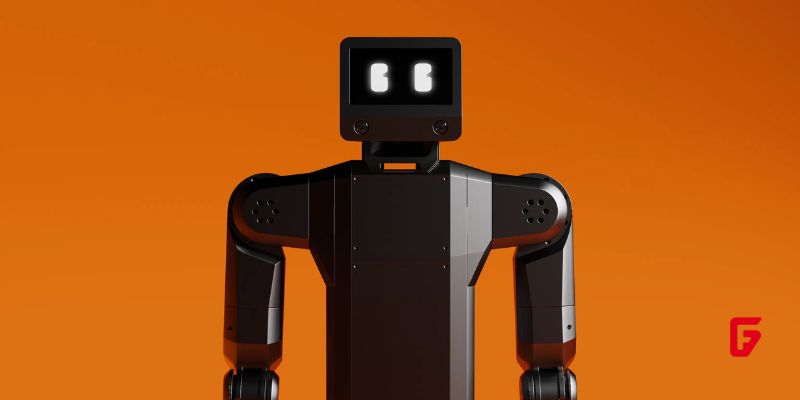
K-Scale Labs shakes up robotics with Z-Bot and K-Bot—open-source, modular robots made for developers and educators. Human-like, customizable, and affordable.
Microsoft’s Next-Gen AI Chip Delayed to 2026: What This Means for the Industry

Microsoft’s next-gen AI chip faces a major delay, now expected in 2026. Learn why design and staffing issues matter and how this impacts the AI hardware race.
Axiom Space and Skyroot Aerospace: Redefining Access to Low-Earth Orbit

Axiom Space and Skyroot Aerospace have joined forces to transform access to low-Earth orbit, paving the way for new commercial and research opportunities in space.
Dublin’s AI-Powered Patrol: Meet Dubbot, the City’s New Autonomous Safety Robot
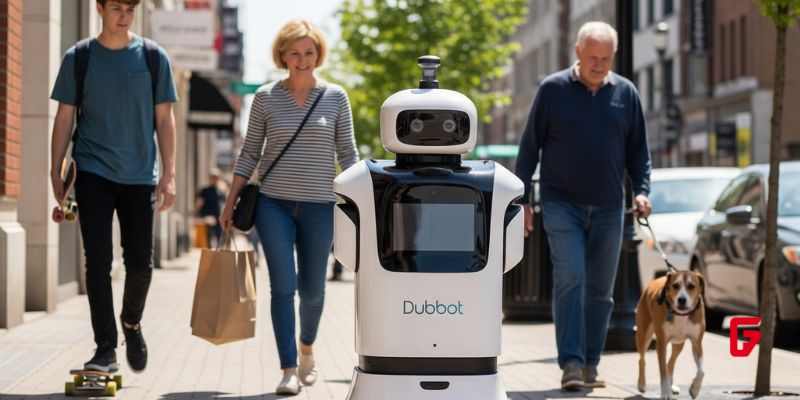
Dublin, Ohio has launched Dubbot, an AI-powered security robot patrolling city streets to enhance public safety, monitor threats, and connect with residents.
China’s Minimally Invasive Brain-Computer Interface Restores Movement in Paralyzed Patient
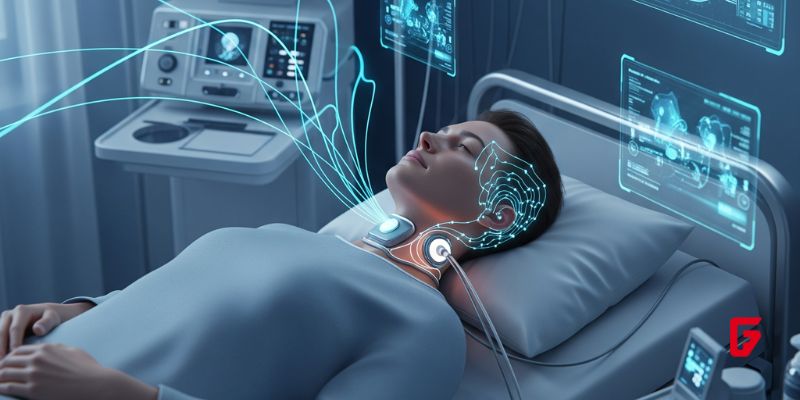
A Chinese research team has restored movement in a paralyzed patient using a minimally invasive brain-computer interface, signaling a leap forward in neurotechnology and stroke rehabilitation.