
Startups & Business News
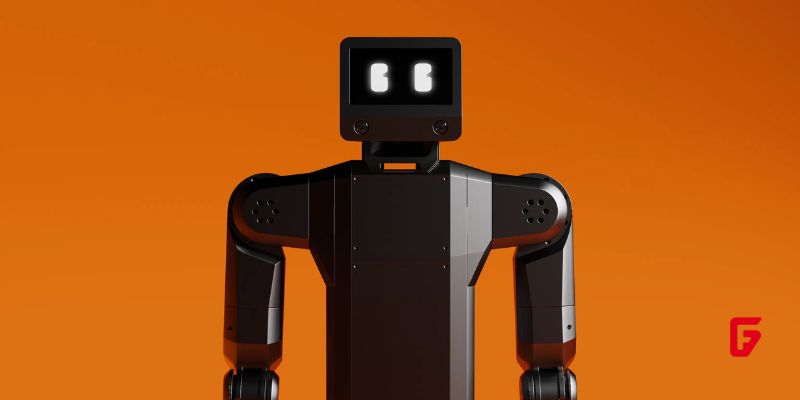
The world of robotics is undergoing a major transformation—and K-Scale Labs is leading the way from a humble garage in Palo Alto. This startup is throwing open the doors of robotics innovation with two compelling entries: the Z-Bot, a compact, open-source humanoid robot priced at an astonishing $999, and the larger, more advanced K-Bot, designed for developers and research teams aiming to push the boundaries of what humanoid robots can do.
Democratizing Robotics with Z-Bot
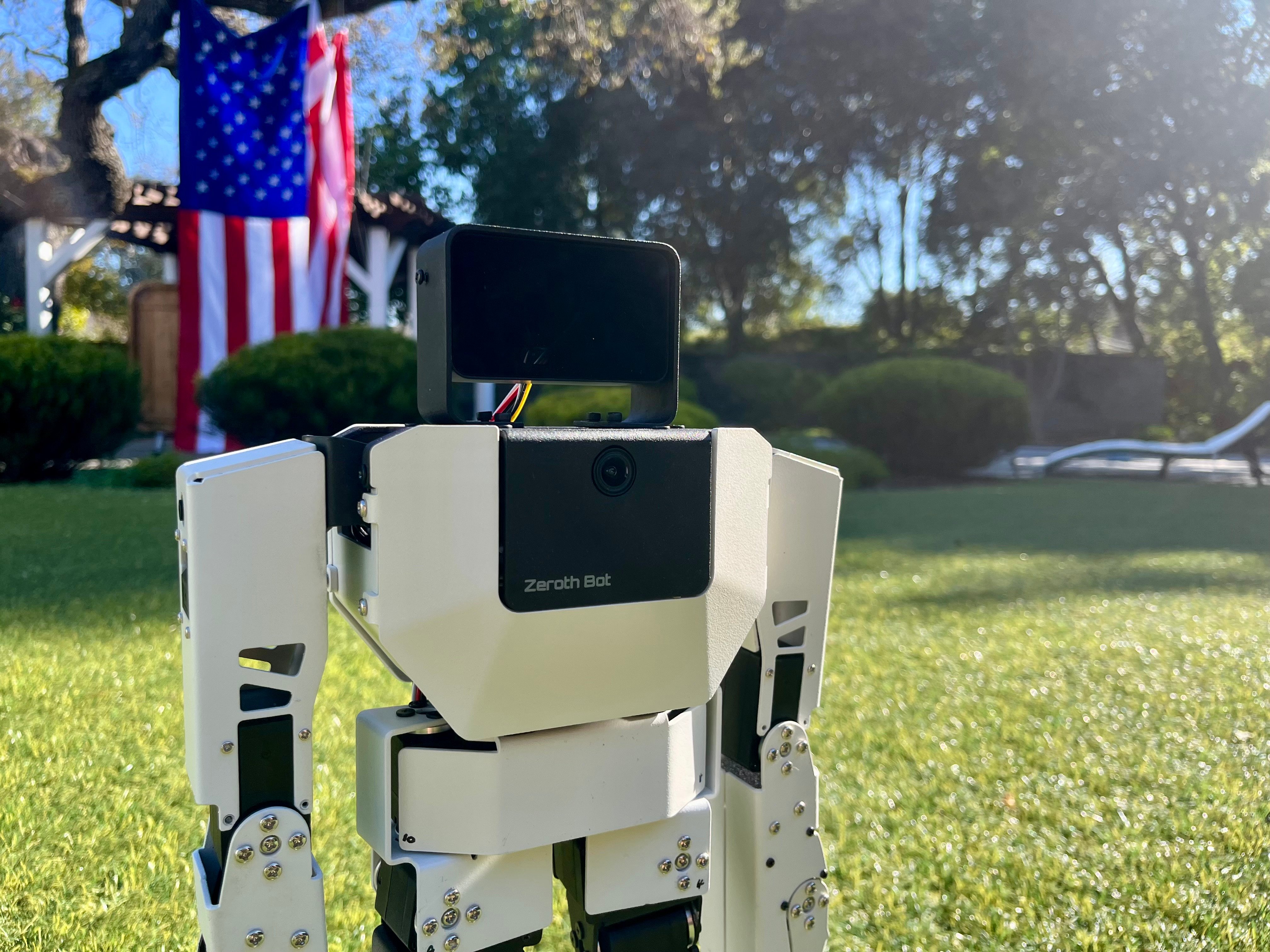
For years, building your own humanoid robot felt like a project reserved for well-funded labs or tech giants. K-Scale Labs is changing the story. Z-Bot, the smaller sibling in their lineup, stands about 1.5 feet tall and weighs under 20 pounds. But don’t let its size fool you—under the hood you’ll find 18 powerful electric motors delivering realistic, human-like movement. Its skeleton is built from 3D-printed carbon fiber for strength and lightness, while an onboard suite of sensors—including cameras, depth modules, and IMUs—enables it to navigate and interact with its surroundings adeptly.
Best of all, Z-Bot runs on an open-source, Rust-based operating system. This means students, hobbyists, and developers can customize everything—from the way it understands the world to how it manipulates objects—in a modular, accessible, and fully tweakable software stack. The price point, which undercuts most flagship smartphones, places embodied AI within reach for a new generation of innovators. This philosophy is backed by the company’s open commitment: “Robots should be for all”
K-Bot: Built for Ambition
If you’re looking for a humanoid that can handle more demanding tasks, K-Bot, starting at $8,999, is where things get really interesting. At 4’7” tall and 77 pounds, K-Bot is engineered around modular, upgradeable hardware that accommodates advanced sensors, compute units, and specialized end effectors. The robot supports a maximum payload of 22 pounds and boasts battery life up to four hours—providing plenty of power for serious experimentation.
K-Bot isn’t just robust physically; its intelligence is expansive. Thanks to reinforcement learning models trained for millions of hours in simulation, the robot can withstand and adapt to challenging, real-world conditions. Its Vision-Language-Action stack allows natural language commands and text-based task execution—imagine instructing your robot to tidy up, fetch an item, or interact with its environment all through conversation.
Progress toward full autonomy unfolds across several planned releases, with early versions supporting basic locomotion, balance control, and app-based commands, and later updates bringing general-purpose task execution and significantly reduced human intervention. The K-Scale OS—also built in Rust—integrates seamlessly with AI models and includes open development tools for customization, debugging, and expansion, all backed by a lively GitHub community.
A Community-Driven Approach to the Robotics Revolution
What really sets K-Scale Labs apart is its commitment to open-source principles—not just sharing code, but inviting collaboration and creative exploration. Both Z-Bot and K-Bot are fully modifiable, repairable, and extensible. Different end effectors and modular upgrades mean you can adapt your bot for tasks from object manipulation to experiments in reinforcement learning. This accessibility is pulling in students, researchers, hobbyists, and even businesses interested in robotics automation.
Founded by Benjamin Bolte—a former researcher at Meta AI and Tesla—K-Scale Labs is backed by a team of hackers and engineers convinced that democratizing robotics will ultimately benefit everyone.
Key Highlights
Z-Bot: Open-source, developer-friendly, 1.5-foot frame, $999 MSRP, fully customizable, ideal for educational and hobbyist use.
K-Bot: 4’7”, robust, modular, 22-pound payload, up to 4-hour battery, full-scale autonomy roadmap, advanced VLA intelligence, aimed at researchers and pro developers.
Open-source stacks: Rust-based K-Scale OS, vision-language-action integration, reinforcement learning, and active GitHub repositories.
Modularity: Swappable hands and grippers, simple hardware upgrades, routine self-repair.
Community: Vibrant ecosystem for developers, early supporters gain exclusive access and lifetime benefits.
Both robots are powerful symbols of the shift toward accessible, open, and collaborative robotics innovation. With K-Scale Labs bringing the price and complexity down to earth, it’s clear the future of personal and research robotics is looking a lot more inclusive—and a lot more exciting.

futureTEKnow
Editorial Team
Discover the companies and startups shaping tomorrow — explore the future of technology today.
Most Popular


Trending Companies
Latest Articles
futureTEKnow is focused on identifying and promoting creators, disruptors and innovators, and serving as a vital resource for those interested in the latest advancements in technology.
© 2026 All Rights Reserved.