
Startups & Business News
Reliable Robotics Secures $160M to Scale Autonomous Aircraft Systems for Commercial Deployment
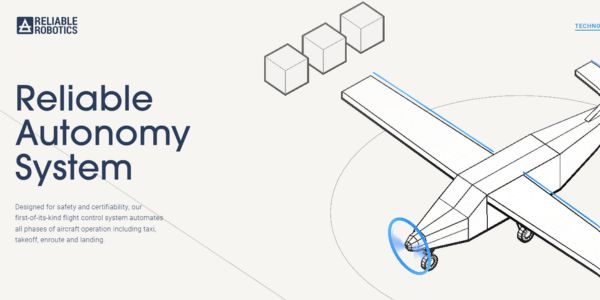
The autonomous aviation sector reached a critical maturity milestone this week. Reliable Robotics, the Mountain View-based developer of certifiable autonomous flight technology, announced $160 million in new funding. While venture capital headlines are common in the robotics space, the specific composition of this round—and the company’s stated roadmap—signal a transition from R&D-heavy prototyping to the demanding, high-stakes environment of commercial cargo operations.
Led by Nimble Partners, with significant follow-on support from stalwarts like Eclipse, Lightspeed, and Coatue, the round also attracted strategic participation from aerospace titans including RTX Ventures, AE Ventures (a Boeing strategic partner), and Presidio Ventures (Sumitomo Corporation). This investor syndicate is not merely chasing growth; they are validating a technical and regulatory thesis: that the future of aviation does not necessarily require building entirely new, exotic airframes, but rather retrofitting existing, proven platforms with a certifiable, high-reliability autonomy stack.
The Reliable Autonomy System (RAS) Strategy
At the core of the company’s roadmap is the Reliable Autonomy System (RAS). Unlike many Advanced Air Mobility (AAM) startups that are burning through capital to develop novel electric vertical takeoff and landing (eVTOL) aircraft, Reliable Robotics has focused on a “platform-agnostic” approach. Their system is designed to integrate into current-generation aircraft, enabling fully automated operation without requiring fundamental changes to existing National Airspace System infrastructure.
For integrators and end-users, this is a crucial distinction. By targeting existing, certified airframes, the company is bypassing the decade-long regulatory gauntlet often associated with new-type aircraft certification. Their objective is to provide a bolt-on autonomy solution that delivers the safety, accessibility, and efficiency improvements required for commercial and defense aviation logistics.
Moving from Prototype to Production
Reliable Robotics plans to use this latest injection of capital to scale production facilities and aggressively expand its engineering workforce. According to CEO and co-founder Robert Rose, the team is currently preparing a “mountain of evidence” for the Federal Aviation Administration (FAA). This regulatory work is the final hurdle in proving that their system is safe enough for uncrewed commercial cargo flights, which the company aims to initiate later this year.
The company has already secured commitments for over 200 systems from a mix of commercial and defense customers, signaling that the demand for automated logistics is no longer theoretical. Furthermore, their selection for the U.S. Department of Transportation’s Advanced Air Mobility Integration Pilot Program highlights the growing alignment between private technology roadmaps and public infrastructure needs.
Why This Matters for the Robotics Ecosystem
For robotics engineers and system integrators, Reliable Robotics represents a practical blueprint for “Physical AI” deployment. They have successfully moved beyond the “wow factor” of a robot that flies itself and into the nuanced, unglamorous world of reliability engineering, safety case development, and regulatory compliance.
The influx of capital from Boeing and RTX-affiliated ventures also underscores a broader shift in the aerospace industry. Large-scale OEMs are increasingly looking to agile startups to solve the “last mile” of flight automation, particularly for cargo, where the economics of crewed operations are becoming increasingly strained. As Reliable Robotics begins its flight operations, the industry will be watching closely to see how the system handles the complexities of the real-world airspace—and whether this “retrofit” strategy sets the standard for the next decade of autonomous aviation.

David Lin is a Staff Writer at futureTEKnow, focusing on robotics software stacks, integration, and the systems that keep fleets running reliably.
Discover the companies and startups shaping tomorrow — explore the future of technology today.
Trending Companies
Latest Articles
futureTEKnow is focused on identifying and promoting creators, disruptors and innovators, and serving as a vital resource for those interested in the latest advancements in technology.
© 2026 All Rights Reserved.