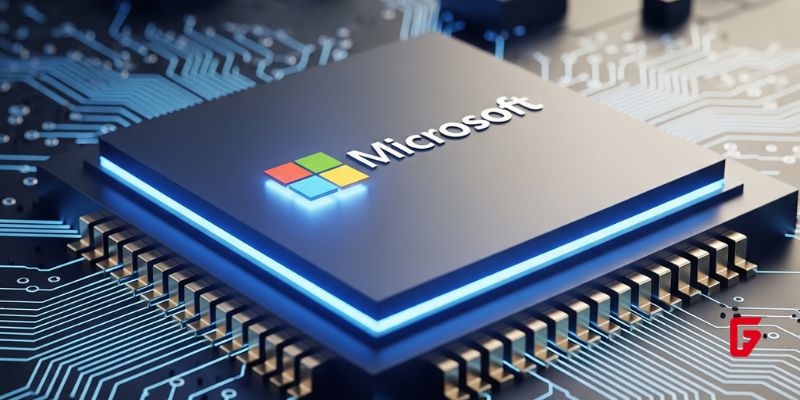
Microsoft has hit the pause button on its much-anticipated next-generation AI chip, pushing its release to 2026. The delay comes down to a combination of design challenges and staffing shortages—two hurdles that even the tech giants can’t always leap over in a single bound.
Why the Delay Matters
The AI hardware race is heating up. As companies like Nvidia and AMD continue to dominate the market, Microsoft’s foray into custom silicon is a strategic move to reduce reliance on third-party suppliers and optimize its own AI workloads. Delays like this aren’t just about missing a deadline—they ripple across the cloud ecosystem, impacting everything from Azure’s competitive edge to the pace of AI innovation for enterprise customers.
Design and Staffing: The Double Whammy
Building a next-gen AI chip isn’t just about cramming more transistors onto silicon. It’s a delicate dance of architecture, fabrication, and software integration. Microsoft’s reported design issues suggest the company is aiming high, likely pushing the envelope on performance and efficiency. But even the best blueprints need the right talent to bring them to life. The staffing shortage highlights the ongoing war for semiconductor engineers—a talent pool that’s stretched thin across the industry.
What’s at Stake for Microsoft?
Cloud AI Leadership: Microsoft’s Azure platform is betting big on AI. Having in-house chips would give it more control over costs and performance, especially as generative AI workloads explode.
Competitive Differentiation: Custom silicon is a key lever for tech giants to set themselves apart. This delay gives rivals more time to widen the gap.
Supply Chain Resilience: Relying less on external chipmakers could insulate Microsoft from global supply chain shocks—but only if it can get its own silicon to market.
The Bigger Picture: AI Hardware Arms Race
This isn’t just a Microsoft story. The entire industry is in a race to build faster, smarter, and more efficient AI chips. Every delay, every breakthrough, shifts the balance of power. For startups and enterprises betting on cloud AI, these timelines matter. They influence everything from pricing to innovation cycles.
What Should You Watch Next?
Talent Moves: Keep an eye on hiring trends in semiconductor engineering—Microsoft will need to double down here.
Partnerships and Acquisitions: Delays often lead to strategic partnerships or even acquisitions to fill capability gaps.
Azure AI Roadmap: Expect Microsoft to lean harder on existing hardware partners in the short term, but don’t count out a big comeback when their chip finally lands.
In the end, the delay is a reminder: even the biggest players face real-world constraints. The AI chip race is a marathon, not a sprint—and the next lap just got a little more interesting.
Stay tuned for more updates on the evolving landscape of AI hardware and what it means for the future of cloud computing.