Booster Robotics
Booster Robotics is a humanoid robotics company developing robots and software platforms for embodied AI research, education, competitions, and development. Its portfolio includes the Booster T1, K1, and T2 humanoid platforms, along with developer tools such as Booster Studio, SDKs, and open-source robotics frameworks. The company combines robot hardware, software, computing, and development tools to give researchers, educators, and developers platforms for building and testing embodied intelligence systems.
Applied Intuition

Applied Intuition develops software for building, testing, deploying, and operating autonomous vehicles and intelligent machines. Its platform combines simulation, real-world data, AI development tools, vehicle software, autonomy systems, and fleet management. The technology is used across automotive, trucking, mining, construction, agriculture, and defense to develop and validate autonomous systems.
Anvil Robotics
Anvil Robotics provides integrated hardware and software for developing physical AI and robotic systems. Its devkits support robot teleoperation, motion control, data collection, and AI model training, with platforms including OpenARM and OpenYAM. The systems integrate with robotics frameworks such as ROS2 and LeRobot and are designed for research teams, startups, and companies developing real-world robotic applications.
Rhoda AI

Rhoda AI develops foundation models and robotic systems that enable robots to perform and adapt to tasks in real-world industrial environments. Its FutureVision platform uses large-scale video data and robot action data to help robots understand motion, physical environments, and changing conditions. The technology is being applied to automotive, manufacturing, logistics, and e-commerce tasks.
Refined Robotics
Refined Robotics is a robotics company developing autonomous, stair-climbing robots for last-mile parcel delivery and logistics. Its wheel-legged robotic systems are designed to navigate stairs, uneven terrain, and other environments that can be difficult for conventional delivery robots, bringing physical AI and robotic mobility into real-world logistics applications.
Archetype AI

Archetype AI takes data from sensors such as cameras, radars, and temperature gauges, then mixes it with language instructions to spot problems in equipment. The software runs agents directly on devices for quick decisions in manufacturing, construction, and cities. It uses a model named Newton to handle different data types without much setup, helping companies track usage, predict failures, and check safety. Clients include NTT for shop floors, Bellevue for streets, and Kajima for sites.
Mimic

Mimic is a robotics company developing Physical AI systems that enable robots to learn and perform dexterous manipulation tasks in industrial environments. Its full-stack approach combines AI models, video-based robot learning, wearable human-data collection, and robotic hand hardware to automate complex manual work. The technology is designed for applications including manufacturing assembly, packaging, sorting, and logistics, where conventional automation can struggle with changing objects and workflows.
OpenArm 01: Unlocking Open-Source Humanoid Robotics for Physical AI
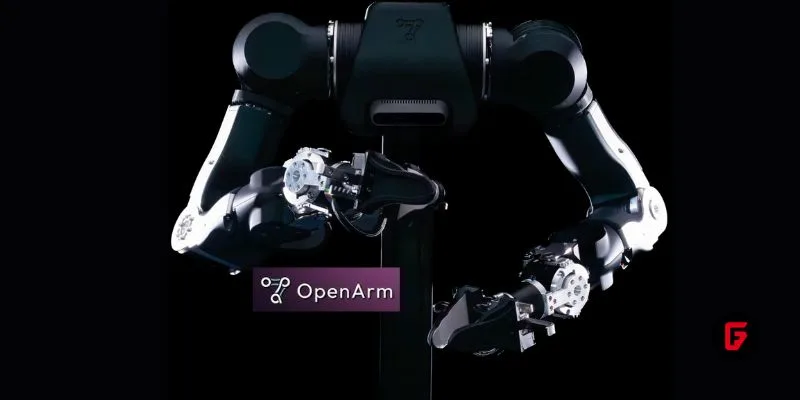
OpenArm 01 offers an open-source, 7DOF humanoid arm for advancing physical AI. Innovate, build, and collaborate in robotics without limits—perfect for research and real-world use.
The Dawn of Physical AI: Robots and Intelligent Agents Reshaping Our Future
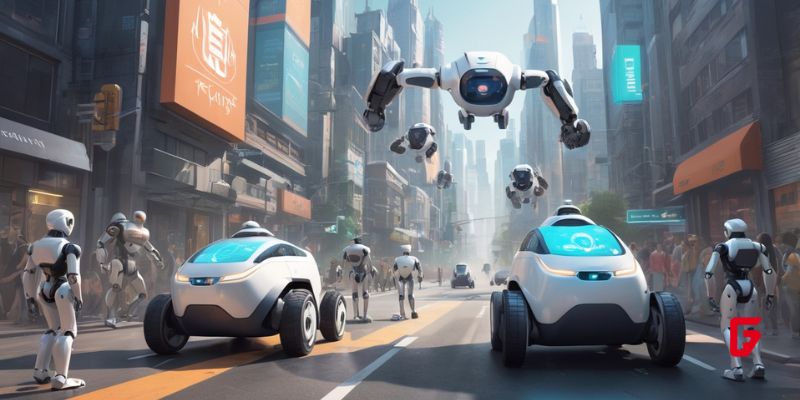
Discover the rise of physical AI as robots and intelligent agents redefine automation, logistics, and personal AI assistance in transformative ways.
Genesis AI Raises $105M to Build the Universal Robotics Foundation Model: Why This Matters for the Future of Physical AI
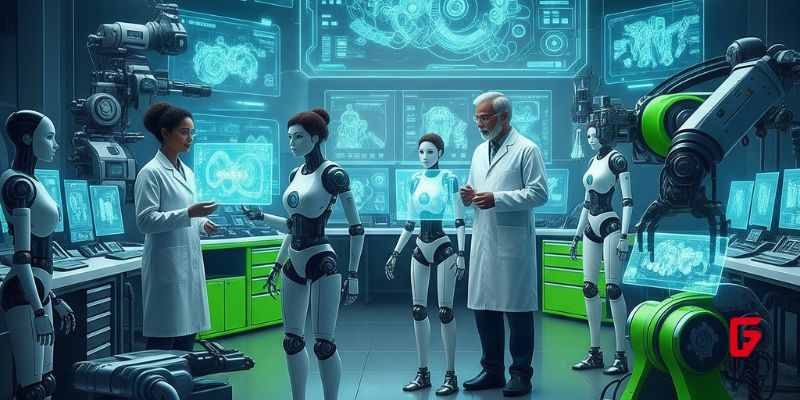
Genesis AI emerges from stealth with $105M to build a universal robotics foundation model, aiming to revolutionize general-purpose physical AI.