
Startups & Business News
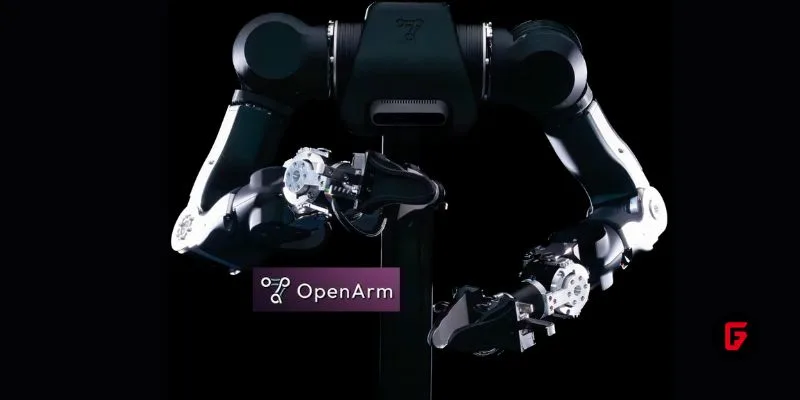
OpenArm 01: Unlocking Open-Source Humanoid Robotics for Physical AI
KEY POINTS
OpenArm 01 is a fully open-source, 7-degree-of-freedom humanoid arm, engineered for physical AI research and contact-rich environments.
It features high backdrivability and compliance, enabling safe, versatile human-robot interaction and bimanual manipulation.
All hardware, CAD designs, firmware, and control code are free to access—inviting global collaboration, customization, and accelerated robotics research.
The platform is part of a broader push to scale assistive humanoid robotics for homes, service industries, and care settings, advancing real-world applications rapidly.
Why Does the World Need Open-Source Humanoid Robotics?
Unlike proprietary robotic solutions, open-source robotics puts power directly in the hands of researchers, engineers, and enthusiasts, removing barriers like high cost and restrictive licensing. OpenArm 01’s open approach means that:
Anybody can download, build, and modify the robot—from startups to university labs.
Customization is straightforward: The modular design and accessible parts list (sheet metal, CNC machining, open-source firmware) suit a wide spectrum of research and practical applications.
Community-driven development accelerates progress: Bug fixes, upgrades, and feature requests can flow rapidly through global collaboration.
What Makes OpenArm 01 a Game Changer?
1. How Does OpenArm 01 Enable Advanced Research and Real-World Use?
OpenArm 01 is designed for physical AI—meaning it’s not just for simulation, but for operating and learning directly in the real world. Here’s what sets it apart:
7 Degrees of Freedom (DOF): Mimics human arm movements for natural, complex tasks.
High backdrivability and compliance: Let the arm safely interact with unpredictable environments and people, a must for assistive and collaborative robots.
CAN-FD Control: Real-time, precise motion control is ensured for delicate manipulation in research and industry contexts.
Open-Source Stack: Includes hardware designs, motor control firmware, ROS2 software, and simulation support (MuJoCo, MoveIt, Isaac Sim), making prototyping, testing, and large-scale deployments simpler.
Accessible Bill of Materials: Components are easily sourced and assembled, with step-by-step documentation and community support.
2. What Are the Real-World and Future Applications?
OpenArm 01’s robust, adaptable framework paves the way for a variety of frontier applications:
Research: Data collection for AI/ML, teleoperation, imitation learning, force feedback haptics, and more.
Healthcare and Assistive Robotics: Building safe arms for personal care, therapy, or assistance in homes and clinics.
Education: Affordable entry-point for hands-on robotics in engineering programs.
Industrial and Service Robotics: Enhancing automation with adaptable manipulation tasks in manufacturing and logistics.
In the coming updates, planned features include multi-finger end effectors for dexterous manipulation, enhanced control frequencies, and force feedback teleoperation for more human-like interaction—all designed with community input.
How Is Collaboration Driving Forward Physical AI?
What Are the Next Steps for Getting Involved or Building with OpenArm?
Download and build: Grab all hardware and software from official sources—no paywall, no locked files.
Join the community: Collaborate, seek guidance, share results, and contribute upgrades (visit Discord, GitHub, or the main OpenArm website).
Prototype new applications: Use OpenArm’s flexible base as a springboard for research or innovative startups—your tweaks and insights can shape the global roadmap.
How is OpenArm 01 different from commercial robotic arms?
What impact could OpenArm 01 have on the future of robotics and physical AI?

futureTEKnow
Editorial Team
Discover the companies and startups shaping tomorrow — explore the future of technology today.
Most Popular




Trending Companies
Latest Articles
futureTEKnow is focused on identifying and promoting creators, disruptors and innovators, and serving as a vital resource for those interested in the latest advancements in technology.
© 2026 All Rights Reserved.