
































Astra, also known as Astra Space, is an aerospace technology company developing orbital launch vehicles and electric satellite propulsion systems. Its operations focus on two areas: manufacturing propulsion hardware for satellites and developing mobile launch systems for transporting spacecraft into orbit. The company produces flight-proven Astra Satellite Engines, which use electric propulsion to maneuver spacecraft, and is developing the Rocket 4.0 launch vehicle. Astra’s technology supports satellite constellations, commercial space operations, and responsive launch capabilities for government and defense missions.
Astra designs, manufactures, and tests propulsion systems used to control satellite movement in orbit. Its Astra Satellite Engine provides electric thrust for spacecraft positioning, orbital maintenance, and maneuvering. The company supplies these systems to satellite manufacturers and operators developing commercial and government spacecraft.
Astra also develops Rocket 4.0, a two-stage orbital launch vehicle intended to transport small satellites into low Earth orbit. The rocket is being designed to operate with a mobile launch system that can be transported to different launch locations, reducing dependence on permanent launch infrastructure.
Its engineering activities include rocket propulsion, avionics, flight software, spacecraft engine manufacturing, and launch system integration. Astra performs manufacturing and testing at its Alameda, California facility.
The company has previously conducted orbital missions using its Rocket 3 series. Its current launch development program focuses on Rocket 4.0, while its satellite propulsion business continues supplying flight-proven engines for operational spacecraft.
Astra develops two distinct propulsion technologies: liquid-fueled rocket engines for orbital launches and electric propulsion systems for spacecraft operating in orbit. Its Astra Satellite Engine uses Hall-effect electric propulsion, accelerating ionized xenon or krypton gas to generate thrust for satellite maneuvering.
The satellite engine uses a magnetically shielded thruster with a heaterless cathode, power processing electronics, propellant storage, and a controlled feed system. A single-thruster configuration operates at approximately 400 watts and produces about 25 millinewtons of thrust with xenon or 18 millinewtons with krypton. The system provides specific impulse of approximately 1,400 seconds with xenon and 1,300 seconds with krypton.
Astra also provides multi-thruster configurations using two, three, or four propulsion units. These systems increase total thrust and impulse to accommodate spacecraft with different mass, maneuvering, and mission lifetime requirements.
Its Rocket 4.0 launch vehicle uses liquid oxygen and rocket-grade kerosene (RP-1). The two-stage rocket is approximately 18.9 meters tall and 1.8 meters in diameter. Astra lists a target payload capacity of up to 1,000 kilograms to low Earth orbit over the vehicle’s development lifecycle.
The rocket incorporates propulsion systems, flight computers, avionics, structural components, and guidance software. Its associated containerized mobile launch infrastructure is designed to transport launch equipment between sites and support missions without extensive permanent ground facilities.
Astra’s development work also includes automated manufacturing, engine testing, and integrated system validation. In January 2026, the company reported shipping 110 satellite engine systems since the beginning of 2025 while continuing development and testing of Rocket 4.0.
Satellite operators require propulsion systems to maintain orbital positions, perform collision avoidance maneuvers, and manage spacecraft throughout their operational lifetimes. Astra contributes to this infrastructure through commercially manufactured electric satellite engines that can be integrated into different spacecraft configurations.
Its Rocket 4.0 program addresses another requirement: launching satellites on mission-specific schedules and from geographically flexible locations. Mobile launch infrastructure could support responsive satellite deployment, particularly for government and defense organizations that need to replace or reposition space assets.
Astra’s progress in satellite engine manufacturing also demonstrates the growing demand for standardized propulsion systems as satellite constellations expand. Its launch program remains under development, making successful qualification and flight testing important milestones for the company’s future launch services.
The Astra Satellite Engine is a flight-proven electric propulsion system designed for spacecraft maneuvering and orbital control. It operates using xenon or krypton propellant and incorporates a Hall-effect thruster, power processing electronics, propellant feed system, and storage tank. The single-thruster configuration requires approximately 400 watts of power and produces about 25 millinewtons of thrust using xenon.
Astra offers two-, three-, and four-thruster propulsion configurations for satellites requiring additional maneuvering capability. The systems provide approximately 50, 75, or 100 millinewtons of thrust using xenon, with corresponding power requirements of 800, 1,200, and 1,600 watts. These configurations support spacecraft with different orbital maneuvering and total impulse requirements.
Rocket 4.0 is Astra’s two-stage orbital launch vehicle under development. The rocket uses liquid oxygen and RP-1 propellants and measures approximately 18.9 meters in height. It is designed to carry up to 1,000 kilograms into low Earth orbit over the product’s lifecycle. Its launch architecture supports dedicated satellite missions and responsive launch operations.
Launch System 2 combines Rocket 4.0 with mobile, containerized launch infrastructure. The system is designed for transportation to different spaceports and deployment at locations with limited permanent launch facilities. Astra targets a high launch cadence as the system develops, although routine operational flights have not yet been demonstrated.
Rocket 3 was Astra’s earlier family of small orbital launch vehicles. The Rocket 3.3 variant successfully reached orbit in November 2021 and deployed satellites during a March 2022 mission. Astra subsequently retired the program to concentrate on the larger Rocket 4.0 vehicle and its updated launch infrastructure.
Astra’s electric propulsion technology supports satellite orbit maintenance, spacecraft repositioning, and collision avoidance. Satellite operators use electric thrusters to adjust spacecraft trajectories, compensate for orbital disturbances, and manage the operational life of satellites in low Earth orbit and other orbital environments.
Its multi-thruster propulsion systems support commercial satellite constellations, communications spacecraft, and other missions requiring additional maneuvering capability.
Rocket 4.0 and Launch System 2 are being developed for dedicated satellite launches and responsive space access. Potential applications include Earth observation, communications constellation deployment, defense satellite replenishment, and time-sensitive government missions requiring flexible launch locations.
Yes. Astra continues to manufacture electric propulsion systems for satellites and develop its next-generation Rocket 4.0 launch vehicle. The company completed a take-private transaction in July 2024 and is no longer publicly traded.
Yes. Astra reached orbit with its Rocket 3.3 vehicle in November 2021 and successfully deployed customer satellites during a March 2022 mission. The Rocket 3 series has since been retired, and its replacement, Rocket 4.0, remains under development.
Astra uses different propellants for its two propulsion businesses. Rocket 4.0 is designed to use liquid oxygen and RP-1 kerosene, while its electric satellite engines use xenon or krypton gas to generate thrust for spacecraft maneuvering.
Astra lists a target payload capacity of up to 1,000 kilograms to low Earth orbit for Rocket 4.0 over its development lifecycle. This is a design target rather than a demonstrated operational capability.
In January 2026, Astra reported shipping 110 satellite engine systems since January 1, 2025. The company also reported additional contracts for engine deliveries during 2026, reflecting increased production of its electric propulsion hardware.
Have an update, correction, or additional information about this company? Help us keep the futureTEKnow company database up to date by submitting the latest company information.

Turion Space has raised more than $75 million in Series B funding to scale its Starfire platform and satellite fleet, betting that space domain awareness is the next critical defense infrastructure layer. The piece unpacks Turion’s business model, contracts, and risks for operators and investors watching the new space intelligence stack.

Pulsar Fusion’s Sunbird fusion rocket has achieved first plasma, validating its exhaust architecture and edging a reusable “space tug” concept toward sub‑six‑month Mars transfers. Drawing on multiple reports, this piece breaks down how the Dual Direct Fusion Drive works, what the 2027 in‑orbit demo must prove, and which technical and regulatory hurdles still stand between Sunbird and operational deep‑space logistics.
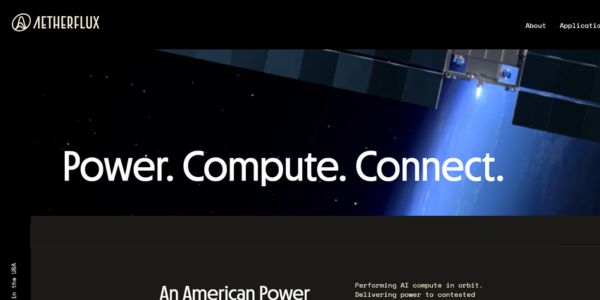
Aetherflux is betting that orbital data centers can power the next wave of AI, shifting from laser power beaming to space-based compute as it targets a $2 billion valuation. For founders and investors, the company’s 2027 satellite plans highlight how quickly space infrastructure is converging with AI demand and reshaping the deep-tech funding landscape.
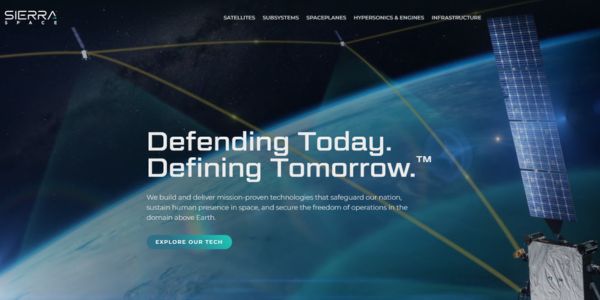
Sierra Space’s $550 million Series C round, valuing the company at $8 billion, signals a decisive shift toward defense-tech space. This feature unpacks the hardware, strategy, and risks shaping the next decade of orbital infrastructure.
Axiom Space has locked in a fresh $350M raise to push its commercial space station and NASA lunar spacesuits toward launch, signaling growing investor faith in private orbital infrastructure.
Morpheus Space secures $15M funding for GO-2 electric propulsion mass production. Learn how this boosts satellite mobility with efficient thrusters.

Stoke Space extended its Series D funding to $860 million, fueling Nova’s full-reuse rocket production at Cape Canaveral. Backed by founders from Blue Origin, this pushes total capital to $1.34B.

Tomorrow.io has closed a $175 million equity round to deploy DeepSky, its AI-native weather satellite constellation designed to make global atmospheric data far more precise, frequent, and useful for businesses, governments, and communities facing extreme weather.

Stay ahead of AI and space tech wars: OpenAI vs Google AI, SpaceX and Blue Origin’s race for orbital data centers, Meta’s AI strategy shift, and key robotics breakthroughs reshaping industry.

Bridgit Mendler’s Northwood Space is pioneering mass-produced ground stations, enabling scalable, high-speed connectivity for the new era of satellite networks and megaconstellations.
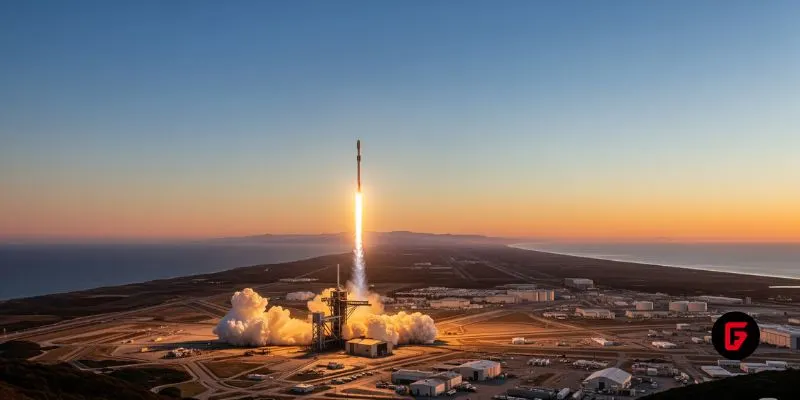
SpaceX aims to nearly double launches from Vandenberg in 2025, facing support from federal agencies but strong objections from the state and local communities.

NASA and Google’s AI-powered Crew Medical Officer Digital Assistant enables autonomous diagnoses for astronauts on Mars missions, redefining remote healthcare for space and Earth.
futureTEKnow is focused on identifying and promoting creators, disruptors and innovators, and serving as a vital resource for those interested in the latest advancements in technology.
© 2026 All Rights Reserved.