

























Benchmark Space Systems

Company Information

Benchmark Space Systems is an aerospace company that offers propulsion solutions for small satellite applications.

Headquarters

Burlington, Vermont, USA

Year Founded

2017

Industries

Aerospace, Satellite Manufacturing, Satellite Communications, Defense, Space Transportation, In-Space Servicing

What Is Benchmark Space Systems?

Benchmark Space Systems is a space technology company developing satellite propulsion systems and spacecraft mobility technologies. Its products enable satellites and orbital vehicles to change their trajectories, maintain orbital positions, avoid collisions, and perform controlled reentry maneuvers. The company manufactures chemical and electric propulsion systems for CubeSats, microsatellites, and larger spacecraft. Its portfolio includes high-test peroxide thrusters, metal plasma electric propulsion, and integrated spacecraft maneuvering systems for commercial, scientific, and government missions.

What Does Benchmark Space Systems Do?

Benchmark Space Systems designs, manufactures, tests, and integrates propulsion hardware that allows spacecraft to maneuver after reaching orbit. Its systems support satellite deployment, orbital adjustments, collision avoidance, station keeping, and end-of-mission disposal.

The company develops chemical propulsion systems using high-test hydrogen peroxide and other propellants, along with electric thrusters that generate small amounts of thrust over extended operating periods. Its engineering activities include combustion systems, propellant tanks, valves, thruster assemblies, and spacecraft control electronics.

Benchmark also provides integrated propulsion and mobility services, including mission planning, propulsion system configuration, spacecraft integration, propellant loading, and operational support. Its SmartAIM software supports maneuver planning and onboard propulsion control.

The company is developing additional technologies for orbital transfer, satellite servicing, and controlled spacecraft reentry. Its systems are used or being developed for missions involving commercial satellite constellations, defense spacecraft, and space transportation vehicles.

Join Our Newsletter

* indicates required

Intuit Mailchimp

ADVERTISEMENT
eMerge Americas 2027 Conference
ADVERTISEMENT
Submit Your Company | futureTEKnow

Benchmark Space Systems Technology

Benchmark Space Systems develops spacecraft propulsion technologies that combine chemical thrusters, electric propulsion, propellant management, and maneuver control software. Its high-test peroxide propulsion systems use concentrated hydrogen peroxide as an oxidizer or monopropellant, providing an alternative to conventional hydrazine-based spacecraft propulsion.

The company’s Halcyon family includes monopropellant and bipropellant thrusters designed for high-thrust spacecraft maneuvers. Monopropellant configurations use catalytic decomposition to generate thrust, while bipropellant configurations combine high-test peroxide with a separate fuel to increase performance.

For missions requiring sustained low-thrust operation, Benchmark offers Xantus metal plasma electric thrusters. These systems use electrical energy to generate and accelerate plasma from a solid metallic propellant. The technology provides compact propulsion for spacecraft that need incremental orbital adjustments over longer periods.

The company also develops cold-gas and warm-gas propulsion systems, including Starling, for attitude adjustments and maneuvering applications. Its ASCENT propulsion work uses an advanced monopropellant formulation developed through the U.S. Air Force Research Laboratory.

Benchmark integrates propulsion hardware with SmartAIM guidance, navigation, and control software. This software processes maneuver commands, coordinates thruster operations, and supports the planning of orbital transfers, collision avoidance maneuvers, and spacecraft disposal.

Its development programs also include chemical-electric hybrid propulsion architectures. By combining higher-thrust chemical systems with more efficient electric propulsion, these configurations can support spacecraft that require both rapid maneuvers and extended orbital transfers.

Why Benchmark Space Systems Matters

Satellites increasingly require propulsion to maintain their operating positions, avoid other objects in orbit, and move between orbital destinations. Benchmark Space Systems provides integrated spacecraft propulsion that can be adapted to different satellite sizes and mission requirements.

Its high-test peroxide systems offer an alternative to traditional hydrazine propulsion, while its electric thrusters support efficient maneuvers where continuous high thrust is unnecessary.

The company’s technology also contributes to space sustainability and orbital traffic management. Propulsion systems used for collision avoidance and controlled deorbiting can help operators manage spacecraft more safely throughout their operational lifetimes.

Through its work on hybrid transfer stages, automated propulsion control, and spacecraft servicing, Benchmark supports the development of more maneuverable satellites and in-space transportation systems.

Benchmark Space Systems Products & Platforms

Halcyon Chemical Propulsion Systems

Halcyon is Benchmark Space Systems’ flight-proven chemical propulsion family for small satellites and orbital transfer vehicles. The systems use high-test peroxide in monopropellant and bipropellant configurations. They support orbit insertion, orbital transfers, collision avoidance, proximity operations, and controlled deorbiting.

Halcyon Avant

Halcyon Avant is a bipropellant propulsion configuration designed for spacecraft requiring higher thrust and greater maneuvering capability. The system combines high-test peroxide with a separate fuel and can incorporate multiple thrusters. A four-thruster configuration was used on Spaceflight’s Sherpa-LTC orbital transfer vehicle.

Xantus Metal Plasma Thruster

Xantus is a compact electric propulsion system that generates plasma from a solid metallic propellant. It is designed for spacecraft requiring precise, low-thrust maneuvers and extended propulsion operation. Applications include orbit maintenance, spacecraft positioning, and small satellite maneuvering.

Starling Propulsion Systems

Starling is a family of compact gas-based spacecraft propulsion systems. Its configurations include cold-gas propulsion and the Starling Ardent warm-gas resistojet, which heats propellant electrically to improve propulsion performance. The systems support CubeSat attitude control and orbital maneuvering.

ASCENT Monopropellant Systems

Benchmark is developing propulsion systems using ASCENT, an advanced monopropellant developed through the Air Force Research Laboratory. Its work includes thrusters, propellant management hardware, and ground support equipment. Benchmark has demonstrated ASCENT thruster testing, with initial flight heritage targeted for 2027.

SmartAIM

SmartAIM is Benchmark’s onboard propulsion control software for planning and coordinating spacecraft maneuvers. It combines guidance, navigation, and control functions with propulsion management. The software supports orbit transfers, collision avoidance, station keeping, proximity operations, and controlled deorbiting.

COLA Kit

The Collision Avoidance Kit is a propulsion solution designed to provide spacecraft with maneuvering capability for avoiding potential orbital collisions. It combines propulsion hardware with supporting control technology to help operators respond to conjunction warnings.

Avocet Controlled Reentry Propulsion System

Avocet is a propulsion system developed for spacecraft requiring controlled atmospheric reentry. It provides maneuvering capability to support end-of-mission disposal and reentry operations where greater control over the spacecraft’s trajectory is required.

Aquila Hybrid Transfer Stage

Aquila is a chemical-electric hybrid orbital transfer stage under development for transporting small spacecraft and payloads to higher-energy orbits. The concept combines high-test peroxide chemical propulsion, electric propulsion, and SmartAIM control technology. NASA has supported its development for missions including lunar orbital transportation.

High-Energy Logistics Stage

The High-Energy Logistics Stage is a developing spacecraft transportation concept intended to support missions requiring substantial orbital energy changes. Benchmark has received government research funding to advance the technology for future space logistics applications.

Spacecraft Integration and Propellant Loading Services

Benchmark provides propulsion integration, ground support equipment, propellant loading, and mission preparation services. These capabilities support spacecraft manufacturers and satellite operators that require propulsion systems installed, tested, and fueled before launch.

Benchmark Space Systems Applications

Benchmark Space Systems technology supports satellite maneuvering and orbital maintenance for commercial, scientific, and government spacecraft. Its propulsion systems enable satellites to adjust their positions, maintain operating orbits, perform collision avoidance maneuvers, and manage changes in orbital altitude.

Its chemical propulsion products support higher-thrust maneuvers, including orbital transfers, spacecraft rendezvous, proximity operations, and controlled reentry. Electric propulsion systems provide lower-thrust maneuvering for missions requiring incremental orbital adjustments over longer periods.

Additional applications include satellite servicing, space logistics, and orbital debris mitigation. The company’s hybrid transfer stage development also supports future missions transporting payloads beyond low Earth orbit, including lunar transportation concepts.

Latest Companies

ADVERTISEMENT
eMerge Americas 2027 Conference

Frequently Asked Questions

What is the difference between Benchmark’s chemical and electric propulsion systems?

Benchmark’s chemical propulsion systems generate relatively high thrust for maneuvers such as orbital transfers, collision avoidance, and controlled reentry. Its electric propulsion systems produce smaller amounts of thrust and are suited to gradual orbital adjustments and missions requiring efficient propellant use over longer periods.

What propellant does Benchmark’s Halcyon system use?

Halcyon uses high-test hydrogen peroxide. Its monopropellant configurations generate thrust through catalytic decomposition, while bipropellant configurations combine the peroxide with a separate fuel to increase propulsion performance.

Has Benchmark Space Systems flown its propulsion technology in space?

Yes. Benchmark has flight heritage across its chemical and electric propulsion portfolio. Its Halcyon systems have supported commercial and government missions, while its Xantus electric propulsion technology has also been deployed in orbit.

What is the purpose of Benchmark’s SmartAIM software?

SmartAIM coordinates spacecraft propulsion and maneuver planning through onboard guidance, navigation, and control functions. It can interpret maneuver commands and support orbital transfers, collision avoidance, station keeping, and spacecraft disposal operations.

Is Benchmark developing propulsion for lunar missions?

Yes. Benchmark is developing the Aquila hybrid transfer stage, which combines chemical and electric propulsion for transporting spacecraft and payloads into higher-energy orbits. NASA has supported development work related to small spacecraft transportation toward lunar orbit. Aquila remains a development program rather than an operational lunar transportation service.

Related Companies

ThrustMe

ION-X

Pulsar Fusion

Do You Have an Update for This Company?

Have an update, correction, or additional information about this company? Help us keep the futureTEKnow company database up to date by submitting the latest company information.

Update Company Information

Latest Articles

Fusion rocket Sunbird ignites in a first plasma test, putting Pulsar Fusion’s high‑efficiency fusion rocket Sunbird closer to sub‑6‑month Mars missions.

Fusion rocket Sunbird ignites: Pulsar Fusion’s plasma breakthrough for faster deep-space travel

Pulsar Fusion’s Sunbird fusion rocket has achieved first plasma, validating its exhaust architecture and edging a reusable “space tug” concept toward sub‑six‑month Mars transfers. Drawing on multiple reports, this piece breaks down how the Dual Direct Fusion Drive works, what the 2027 in‑orbit demo must prove, and which technical and regulatory hurdles still stand between Sunbird and operational deep‑space logistics.
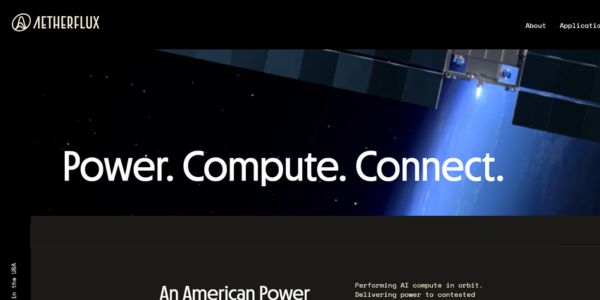
Aetherflux orbital data center plans target a $2B valuation as the startup pivots from laser power beaming to space-based AI compute.

Aetherflux’s $2B orbital bet: space data centers for the AI age

Aetherflux is betting that orbital data centers can power the next wave of AI, shifting from laser power beaming to space-based compute as it targets a $2 billion valuation. For founders and investors, the company’s 2027 satellite plans highlight how quickly space infrastructure is converging with AI demand and reshaping the deep-tech funding landscape.
futureTEKnow is focused on identifying and promoting creators, disruptors and innovators, and serving as a vital resource for those interested in the latest advancements in technology.

© 2026 All Rights Reserved.