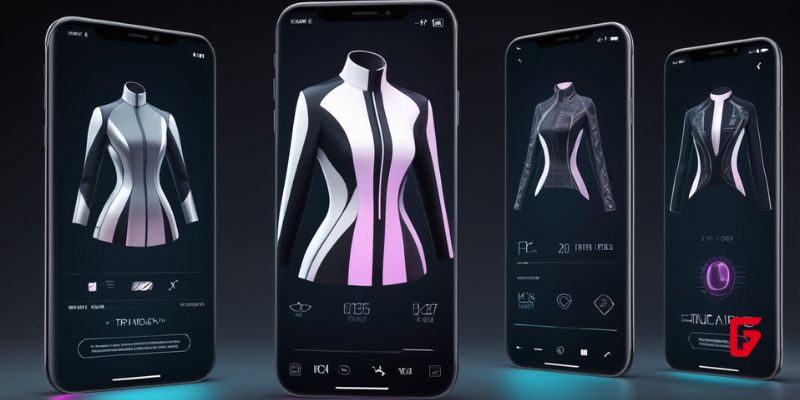
Imagine seeing an outfit on Instagram or at a thrift store and wondering, “Would this actually look good on me?” Google’s latest experimental app, Doppl, is here to answer that question—using artificial intelligence to let you virtually try on any outfit, right from your phone.
What Is Doppl?
Doppl is a new mobile app from Google Labs, available now on both iOS and Android in the U.S. The idea is simple: upload a full-body photo of yourself, and Doppl will create a digital avatar. From there, you can take a photo of any outfit—whether it’s a screenshot from social media, a picture of a friend’s look, or something you spotted while shopping—and virtually “try it on” on your digital self.
But Doppl doesn’t stop at static images. The app can also generate AI-powered videos, showing you how the outfit might move and look in real life. This adds a dynamic element to virtual try-ons that static images just can’t match.
How Does Doppl Work?
Upload Your Photo: Start by taking or uploading a full-body image to the app.
Choose Your Outfit: Use any photo or screenshot of an outfit you like—no need for product links or e-commerce integration.
See Yourself in the Look: Doppl’s AI overlays the outfit onto your digital avatar, creating a realistic image or video.
Save, Browse, and Share: Save your favorite looks, browse past try-ons, and share your virtual outfits with friends.
Why Does Doppl Matter?
Doppl builds on Google Shopping’s existing virtual try-on features, but takes things a step further by making the experience personal. Previous Google try-on features showed clothes on a range of models, but Doppl lets you see outfits on your own virtual body. This could be a game-changer for anyone who wants to experiment with their style or make more confident shopping decisions.
Google is clear that Doppl is still experimental—it’s not perfect, and fit or appearance details might not always be spot-on. But as a Google Labs project, it’s a fascinating glimpse into how AI and augmented reality could reshape the way we shop for clothes and express ourselves online.
The Bigger Picture: AI and Fashion
Apps like Doppl are part of a growing trend of using AI and computer vision to blend the digital and physical worlds. Virtual try-on technology is becoming more sophisticated, and Google’s move to launch a standalone app signals that the company sees real potential in this space. By gathering data on how people use Doppl, Google can refine its algorithms and explore new ways to help users find their personal style.
If you’re curious about fashion tech or just want to play around with new AI tools, Doppl is worth checking out. It’s a fun, interactive way to explore your style—and a reminder that the future of shopping might be more virtual than we think.