















El Segundo, California, USA
2021
Space Technology, Aerospace Software, Space Insurance, Satellite Engineering, Mission Management, Risk Management
Charter Space is a space technology company developing mission management software and insurance infrastructure for commercial spacecraft and aerospace programs. Its technology connects engineering requirements, spacecraft designs, testing records, and mission documentation with the information needed to evaluate spaceflight risks.
Founded in 2021, the company operates the Ubik systems engineering platform and a specialized insurance brokerage serving satellite operators, spacecraft manufacturers, launch providers, and other organizations across the space industry. Its software supports technical development while its insurance services address financial risks associated with space missions.
Charter Space provides software that allows spacecraft engineering teams to manage mission requirements, system architectures, testing procedures, technical documentation, and development schedules within a connected environment.
Its Ubik platform combines requirements management, model-based systems engineering, test management, project scheduling, and configuration tracking. Engineering teams can connect spacecraft components to their requirements and verification results, creating traceable records throughout development.
The company also provides specialized space insurance brokerage services covering risks associated with spacecraft manufacturing, transportation, launch, orbital deployment, satellite operations, and related business activities.
By connecting engineering documentation with insurance workflows, Charter supports the assessment of spacecraft reliability and mission risk. Its services are designed for organizations developing satellites, operating constellations, launching spacecraft, or supplying technologies and infrastructure to the space industry.
Charter Space develops integrated systems engineering and mission management software that connects technical spacecraft development with insurance risk assessment. Its principal platform, Ubik, provides a shared environment for managing engineering requirements, system architectures, verification activities, and program documentation.
Ubik includes a requirements management system that supports version control, conditional logic, and links between requirements, spacecraft components, technical properties, and tests. This allows engineering teams to trace how individual requirements are implemented and verified throughout a mission lifecycle.
The platform incorporates model-based systems engineering tools for creating object-oriented system architecture diagrams and mapping relationships between spacecraft subsystems. Engineers can document interfaces, monitor technical margins, and connect design information with testing and project activities.
Its test management capabilities support procedure development, execution records, verification results, and technical history. Scheduling tools track engineering deliverables and dependencies, while a system-of-record architecture preserves changes to project information.
Ubik integrates with external software, including Jira, GitHub, Google Drive, and Microsoft OneDrive. Its API supports connections with specialized engineering applications and existing organizational systems.
Charter’s insurance technology connects mission information with underwriting workflows, helping insurance providers assess spacecraft characteristics, development records, and operational risks. The company describes its broader approach as AI-native, although detailed public technical specifications for its underwriting models are limited.
Through CIRC, Charter provides access to insurance covering pre-launch activities, launch vehicle operations, spacecraft deployment, on-orbit losses, satellite constellations, hosted payloads, and commercial liabilities.
Spacecraft development involves complex engineering requirements, extensive verification procedures, and financial exposure to launch failures, equipment malfunctions, and orbital incidents.
Charter Space addresses two connected challenges: maintaining traceable spacecraft engineering information and making specialized insurance more accessible to organizations developing space technologies.
Its Ubik platform consolidates engineering records that are often distributed across separate design, testing, and project management applications. This information can also support technical reviews and insurance risk assessments.
The company’s insurance brokerage extends coverage options to smaller satellite operators, emerging spacecraft technologies, and businesses whose risks may not fit conventional insurance products.
Charter represents an important segment of the space economy: software and financial infrastructure that supports spacecraft development and operations, rather than manufacturing or launching spacecraft directly.
Ubik is Charter Space’s browser-based systems engineering and mission management platform. It combines requirements management, model-based systems engineering, technical documentation, testing, scheduling, and project tracking. The platform connects spacecraft design information with verification records, creating a traceable history of engineering decisions and development activities.
The requirements management module allows engineering teams to create, revise, and verify technical requirements throughout spacecraft development. It supports version control, conditional logic, and end-to-end traceability between requirements, spacecraft components, system properties, and test results. These connections help document whether individual design requirements have been implemented and verified.
Ubik provides object-oriented system architecture diagrams and interface modeling for documenting relationships between spacecraft subsystems. Engineers can connect components, system properties, technical margins, and requirements within a common environment. The platform supports design changes while preserving relationships between engineering models and verification activities.
Ubik’s test management tools support the preparation, execution, and recording of engineering verification procedures. Teams can document test steps, results, and outcomes while connecting them to spacecraft requirements and system designs. The module maintains historical records of verification activities and supports collaboration between engineering and testing personnel.
The platform includes scheduling and resource management tools for tracking engineering deliverables, project dependencies, and development activities. Its timeline-based system breakdowns connect project schedules with requirements, tests, and technical documentation. Built-in analytics support workload monitoring and the identification of potential schedule conflicts.
CIRC is Charter Space’s specialized insurance brokerage, launched nationally in 2026. It arranges coverage for spacecraft development, launch, orbital operations, satellite constellations, and aerospace business liabilities. The brokerage connects customers with insurance providers and supports the evaluation of technical and financial risks associated with space missions.
Charter offers access to insurance for pre-launch activities, spacecraft transportation, launch vehicle flight, orbital transfer, satellite deployment, in-orbit asset losses, hosted payloads, and constellation operations. Its offerings also include cybersecurity, technology errors and omissions, general liability, and business interruption coverage. Policy availability and terms depend on underwriting and the applicable insurance provider.
Satellite Mission Management: Coordinating spacecraft development activities, engineering documentation, schedules, and technical requirements.
Spacecraft Systems Engineering: Modeling spacecraft architectures, subsystem interfaces, design properties, and technical dependencies.
Requirements Verification: Connecting engineering requirements with testing procedures and recorded verification results.
Space Insurance Underwriting: Organizing spacecraft technical information to support mission risk assessment and insurance applications.
Launch Risk Management: Arranging insurance protection for spacecraft transportation, launch preparation, launch operations, and deployment.
Satellite Constellation Insurance: Supporting insurance arrangements for organizations operating multiple spacecraft.
Aerospace Compliance: Maintaining technical records that support engineering reviews, verification activities, and regulatory documentation.
Engineering Collaboration: Integrating mission information across software development, spacecraft design, testing, and program management teams.
Charter Space develops spacecraft mission management software and provides specialized insurance brokerage services for satellite operators, spacecraft manufacturers, launch providers, and other aerospace businesses.
Charter Space was founded in 2021 and is headquartered in El Segundo, California.
Ubik is a browser-based systems engineering and mission management platform that combines requirements management, system architecture modeling, testing, scheduling, and technical documentation.
No. Charter Space primarily develops software and insurance infrastructure supporting spacecraft engineering and operations. It does not market a satellite manufacturing platform or launch vehicle.
Charter arranges insurance for spacecraft manufacturing, transportation, launch, orbital deployment, satellite operations, hosted payloads, constellations, and selected commercial business liabilities. Coverage depends on individual policy terms and underwriting.
The Charter Interplanetary Risk Corporation, or CIRC, is Charter Space’s insurance brokerage. It provides access to specialized insurance products for commercial space and aerospace organizations.
Charter describes its insurance technology as AI-native and uses engineering information to support insurance risk assessment. Detailed technical information about its underlying artificial intelligence models and their operational performance has not been publicly established.
Have an update, correction, or additional information about this company? Help us keep the futureTEKnow company database up to date by submitting the latest company information.

Turion Space has raised more than $75 million in Series B funding to scale its Starfire platform and satellite fleet, betting that space domain awareness is the next critical defense infrastructure layer. The piece unpacks Turion’s business model, contracts, and risks for operators and investors watching the new space intelligence stack.
Pulsar Fusion’s Sunbird fusion rocket has achieved first plasma, validating its exhaust architecture and edging a reusable “space tug” concept toward sub‑six‑month Mars transfers. Drawing on multiple reports, this piece breaks down how the Dual Direct Fusion Drive works, what the 2027 in‑orbit demo must prove, and which technical and regulatory hurdles still stand between Sunbird and operational deep‑space logistics.
Aetherflux is betting that orbital data centers can power the next wave of AI, shifting from laser power beaming to space-based compute as it targets a $2 billion valuation. For founders and investors, the company’s 2027 satellite plans highlight how quickly space infrastructure is converging with AI demand and reshaping the deep-tech funding landscape.
Sierra Space’s $550 million Series C round, valuing the company at $8 billion, signals a decisive shift toward defense-tech space. This feature unpacks the hardware, strategy, and risks shaping the next decade of orbital infrastructure.
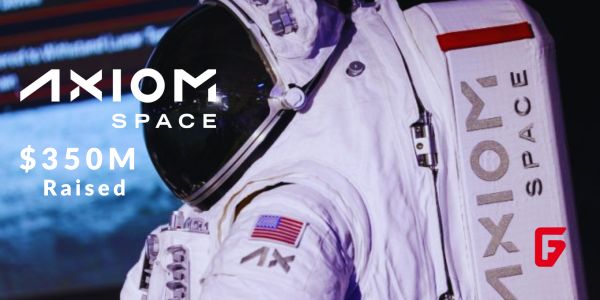
Axiom Space has locked in a fresh $350M raise to push its commercial space station and NASA lunar spacesuits toward launch, signaling growing investor faith in private orbital infrastructure.
Morpheus Space secures $15M funding for GO-2 electric propulsion mass production. Learn how this boosts satellite mobility with efficient thrusters.

Stoke Space extended its Series D funding to $860 million, fueling Nova’s full-reuse rocket production at Cape Canaveral. Backed by founders from Blue Origin, this pushes total capital to $1.34B.

Tomorrow.io has closed a $175 million equity round to deploy DeepSky, its AI-native weather satellite constellation designed to make global atmospheric data far more precise, frequent, and useful for businesses, governments, and communities facing extreme weather.
Stay ahead of AI and space tech wars: OpenAI vs Google AI, SpaceX and Blue Origin’s race for orbital data centers, Meta’s AI strategy shift, and key robotics breakthroughs reshaping industry.

Bridgit Mendler’s Northwood Space is pioneering mass-produced ground stations, enabling scalable, high-speed connectivity for the new era of satellite networks and megaconstellations.
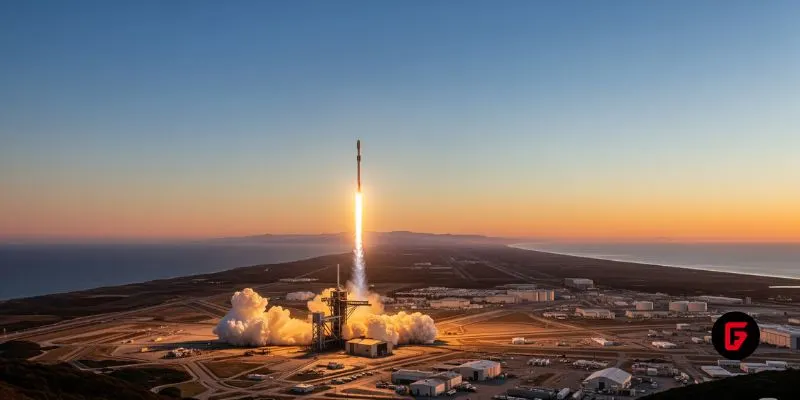
SpaceX aims to nearly double launches from Vandenberg in 2025, facing support from federal agencies but strong objections from the state and local communities.

NASA and Google’s AI-powered Crew Medical Officer Digital Assistant enables autonomous diagnoses for astronauts on Mars missions, redefining remote healthcare for space and Earth.
futureTEKnow is focused on identifying and promoting creators, disruptors and innovators, and serving as a vital resource for those interested in the latest advancements in technology.
© 2026 All Rights Reserved.