






























Solestial

Company Information

Learn about Solestial, a space technology company developing radiation-hardened silicon solar cells and flexible solar power modules for satellites and spacecraft.

Headquarters

Tempe, Arizona, USA

Year Founded

2013

Website

Sector

Industries

Space Technology, Satellite Manufacturing, Solar Energy, Photovoltaics, Aerospace Components, Space Power Systems

What Is Solestial?

Solestial is a space technology company developing radiation-hardened solar cells and lightweight photovoltaic modules for satellites and orbital infrastructure. Its silicon-based technology is designed to generate electricity in space while recovering from certain types of radiation damage through exposure to heat and sunlight.

The company manufactures flexible solar power systems that combine ultrathin silicon cells with lightweight protective materials. Its products provide an alternative to conventional space-grade solar panels and support the growing electricity requirements of commercial, civil, and defense spacecraft.

What Does Solestial Do?

Solestial designs and manufactures silicon photovoltaic cells, flexible solar power modules, and integrated solar power assemblies for space applications. Its products convert sunlight into electricity while addressing the radiation exposure, mass limitations, and packaging requirements associated with orbital missions.

The company’s self-curing solar cell technology uses proprietary semiconductor engineering to enable recovery from radiation-induced degradation at operating temperatures as low as 65°C. This helps preserve electrical performance during extended exposure to the space environment.

Solestial also develops rollable and deployable solar power modules that can be integrated into different spacecraft structures. Its manufacturing approach draws on established terrestrial silicon photovoltaic production methods to support larger-scale manufacturing of space-grade solar hardware.

Join Our Newsletter

* indicates required

Intuit Mailchimp

ADVERTISEMENT
eMerge Americas 2027 Conference
ADVERTISEMENT
Submit Your Company | futureTEKnow

Solestial Technology

Solestial’s core technology uses ultrathin silicon heterojunction solar cells engineered for operation in space. The cells are approximately 60 microns thick and incorporate semiconductor structures that enable efficient photovoltaic conversion while reducing material mass.

A distinguishing feature is the ability to anneal radiation damage at temperatures as low as 65°C under specified operating conditions. Proprietary defect engineering allows certain radiation-induced defects to recover during periods of sufficient sunlight and warmth, limiting the long-term degradation normally associated with silicon solar cells in orbit.

The company’s flexible modules replace conventional cover glass and bulky composite substrates with thin polymer and ceramic protective layers. This packaging supports rollable solar blankets, compact storage, and integration with different deployment mechanisms.

Solestial also uses electroplated copper metallization, specialized cell interconnections, and scalable manufacturing processes adapted from terrestrial photovoltaic production. These technologies support automated fabrication and customized module configurations for spacecraft.

Why Solestial Matters

Spacecraft depend on reliable electrical power for communications, computing, propulsion, and scientific instruments. Traditional space-grade solar panels can be expensive and constrained by specialized manufacturing capacity. Solestial is developing scalable silicon-based alternatives that use more widely available manufacturing materials and processes.

Its lightweight, flexible modules can reduce the mass and storage volume of spacecraft power systems while supporting larger deployable solar arrays. The ability to recover from radiation damage also addresses an important limitation of conventional silicon photovoltaics used in space.

As satellite constellations and orbital infrastructure require increasing amounts of electricity, high-volume space solar manufacturing could become an important part of the aerospace supply chain. Solestial’s technology connects established silicon manufacturing methods with the performance requirements of space missions.

Solestial Products & Platforms

Silicon Solar Cells

Solestial manufactures ultrathin silicon heterojunction solar cells engineered for space environments. These photovoltaic cells incorporate proprietary defect engineering that enables recovery from certain types of radiation damage at operating temperatures as low as 65°C under specified conditions.

Flexible Solar Power Modules

The company’s flexible solar power modules combine lightweight silicon cells with protective polymer and ceramic films. Designed for compact packaging and deployment, the modules support a bending radius of approximately 5 centimeters and are engineered for missions lasting up to 10 years in various space environments.

Integrated Solar Power Modules

Solestial provides photovoltaic modules integrated with rigid panels, flexible blankets, and lightweight frame structures. These configurations allow spacecraft manufacturers to incorporate solar power hardware into different satellite designs and mechanical architectures.

Solar Arrays

Solestial works with aerospace partners to integrate its photovoltaic modules into deployable solar arrays, including roll-out and Z-folded configurations. These systems provide expanded power generation surfaces while reducing the volume required for launch and storage.

Solestial Applications

Satellite Power Systems: Supplying electrical power to communication, Earth observation, navigation, and scientific satellites.

Satellite Constellations: Supporting large-scale spacecraft deployments that require lightweight, radiation-resistant solar power hardware.

Space Infrastructure: Providing photovoltaic technology for orbital platforms, space stations, and other power-intensive infrastructure.

Aerospace & Defense: Supplying space-grade solar cells and modules for government and national security spacecraft.

Deployable Solar Arrays: Enabling compact, rollable, and foldable solar power systems for spacecraft with limited launch volume.

Space-Based Computing: Supporting the electrical power requirements of emerging orbital computing and data-processing infrastructure.

Latest Companies

ADVERTISEMENT
Track AI, Robotics & Space Startups

Frequently Asked Questions

What is Solestial?

Solestial is a space technology company developing radiation-hardened silicon solar cells, flexible photovoltaic modules, and solar power systems for satellites and orbital infrastructure.

What does Solestial do?

Solestial designs and manufactures lightweight solar cells and modules that generate electricity in space. Its technology supports satellite power systems, deployable solar arrays, and other space infrastructure.

How do Solestial’s self-curing solar cells work?

Solestial uses proprietary semiconductor engineering that allows certain radiation-induced defects in its silicon solar cells to recover when exposed to sufficient heat and sunlight. This process helps reduce radiation-related performance degradation.

What products does Solestial manufacture?

Solestial manufactures ultrathin silicon solar cells, flexible solar power modules, integrated photovoltaic assemblies, and solar power hardware designed for deployable spacecraft arrays.

What makes Solestial’s solar technology different?

Solestial combines ultrathin silicon heterojunction cells, low-temperature radiation damage recovery, lightweight flexible packaging, and manufacturing processes adapted from the terrestrial solar industry.

Who owns Solestial?

Solestial was acquired by York Space Systems in June 2026. The acquisition brought Solestial’s space solar manufacturing technology into York’s spacecraft supply chain.

Where is Solestial headquartered?

Solestial is headquartered in Tempe, Arizona, United States, where it operates a manufacturing facility for space-grade photovoltaic technology.

Do You Have an Update for This Company?

Have an update, correction, or additional information about this company? Help us keep the futureTEKnow company database up to date by submitting the latest company information.

Update Company Information

Latest Articles

Fusion rocket Sunbird ignites in a first plasma test, putting Pulsar Fusion’s high‑efficiency fusion rocket Sunbird closer to sub‑6‑month Mars missions.

Fusion rocket Sunbird ignites: Pulsar Fusion’s plasma breakthrough for faster deep-space travel

Pulsar Fusion’s Sunbird fusion rocket has achieved first plasma, validating its exhaust architecture and edging a reusable “space tug” concept toward sub‑six‑month Mars transfers. Drawing on multiple reports, this piece breaks down how the Dual Direct Fusion Drive works, what the 2027 in‑orbit demo must prove, and which technical and regulatory hurdles still stand between Sunbird and operational deep‑space logistics.
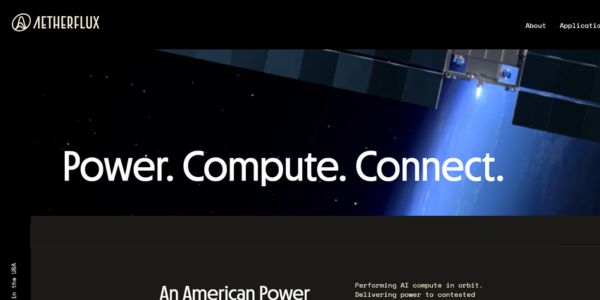
Aetherflux orbital data center plans target a $2B valuation as the startup pivots from laser power beaming to space-based AI compute.

Aetherflux’s $2B orbital bet: space data centers for the AI age

Aetherflux is betting that orbital data centers can power the next wave of AI, shifting from laser power beaming to space-based compute as it targets a $2 billion valuation. For founders and investors, the company’s 2027 satellite plans highlight how quickly space infrastructure is converging with AI demand and reshaping the deep-tech funding landscape.
futureTEKnow is focused on identifying and promoting creators, disruptors and innovators, and serving as a vital resource for those interested in the latest advancements in technology.

© 2026 All Rights Reserved.