



































Albuquerque, New Mexico, USA
2015
Space Technology, Satellite Manufacturing, Solar Energy, Aerospace Components, Photovoltaics, Space Power Systems
mPower Technology is a space technology company developing and manufacturing lightweight silicon solar cells and photovoltaic modules for satellites and space infrastructure. Its DragonSCALES technology uses interconnected miniature solar cells to provide flexible, radiation-resistant electrical power systems for orbital and deep-space missions.
The company’s space solar technology originated at Sandia National Laboratories and is designed for high-volume manufacturing using established semiconductor production methods. Its photovoltaic systems support satellite constellations, lunar exploration, spacecraft mobility, and large-scale space power generation.
mPower Technology designs and manufactures solar power modules that convert sunlight into electricity for spacecraft operating in demanding space environments. Its products use small silicon photovoltaic cells arranged in interconnected networks that can conform to different spacecraft surfaces and solar array configurations.
The company’s flagship DragonSCALES solar technology combines mechanical flexibility, radiation tolerance, and modular electrical connections. The architecture allows manufacturers to customize power output, voltage, module geometry, and integration requirements for different satellite platforms.
mPower also develops scalable space power assemblies through automated manufacturing and aerospace integration partnerships. Its modules have been selected for commercial satellite programs, orbital transportation systems, and emerging space infrastructure applications.
mPower Technology’s core innovation is DragonSCALES, a patented photovoltaic architecture that arranges miniature silicon solar cells into flexible, electrically interconnected modules. The design combines established silicon semiconductor manufacturing processes with specialized packaging and electrical configurations developed for space applications.
The system uses a distributed mesh architecture that helps isolate individual cell failures and reduces the impact of localized damage or partial shading. Its miniature cell arrangement also enables modules to conform to curved or irregular surfaces while maintaining electrical connectivity.
DragonSCALES incorporates radiation-resistant materials and thermal recovery characteristics intended to limit photovoltaic performance degradation during orbital operations. Lightweight packaging reduces spacecraft mass and storage requirements, while pre-wired components simplify integration into solar arrays.
The technology is designed for automated, high-volume manufacturing. mPower works with manufacturing partners to produce photovoltaic modules and assemblies using established industrial processes, supporting repeatable production for large satellite programs.
The expansion of satellite constellations and orbital infrastructure is increasing demand for affordable, reliable electrical power. Conventional space-grade solar arrays often rely on specialized semiconductor materials and manufacturing processes that can limit production capacity and increase costs.
mPower Technology addresses these constraints through silicon-based space solar modules designed for automated manufacturing and flexible spacecraft integration. Its approach provides an alternative to traditional gallium arsenide photovoltaic systems, particularly for missions requiring large quantities of solar power hardware.
The company’s scalable manufacturing model also supports applications beyond conventional satellites, including lunar infrastructure, orbital transportation, and space-based solar power. As spacecraft require more electrical power for communications, propulsion, and onboard computing, adaptable photovoltaic systems are becoming increasingly important.
DragonSCALES is mPower Technology’s flagship silicon solar cell platform, featuring interconnected miniature photovoltaic cells arranged in a flexible mesh. The technology provides lightweight, radiation-resistant solar power for satellites, spacecraft, and orbital infrastructure while supporting customized electrical and mechanical configurations.
The company’s modular photovoltaic assemblies combine DragonSCALES cells with integrated electrical connections and protective materials. These modules can be customized for different power requirements, spacecraft geometries, and operating environments, including low Earth orbit and deep-space missions.
mPower Technology supplies photovoltaic assemblies for integration into deployable spacecraft solar arrays. Its modules support lightweight, flexible array configurations and are manufactured through automated production processes designed for high-volume satellite programs.
mPower develops customized solar power configurations based on spacecraft electrical, mechanical, and environmental requirements. Its engineering process includes power analysis, radiation assessment, atomic oxygen analysis, electrostatic discharge mitigation, and integration planning.
Satellite Constellations: Providing lightweight, scalable photovoltaic modules for large commercial and government satellite networks.
Lunar and Deep-Space Exploration: Supporting electrical power generation for lunar surface systems, scientific spacecraft, and exploration missions.
Space Logistics and Mobility: Supplying solar power for orbital transportation vehicles, electric propulsion systems, and spacecraft servicing platforms.
Space Stations and Habitats: Supporting solar power generation for commercial orbital stations and other inhabited space infrastructure.
Space-Based Solar Power: Providing scalable photovoltaic technology for proposed orbital power generation and energy transmission systems.
Aerospace & Defense: Integrating radiation-resistant solar power modules into national security spacecraft and specialized government missions.
mPower Technology is a space technology company developing lightweight silicon solar cells and photovoltaic modules for satellites, spacecraft, and space infrastructure.
mPower Technology designs and manufactures flexible solar power modules that generate electricity for spacecraft. Its products support satellite constellations, lunar exploration, orbital transportation, and other space applications.
DragonSCALES is mPower Technology’s patented solar cell platform. It uses interconnected miniature silicon photovoltaic cells to create lightweight, flexible, radiation-resistant solar power modules for space missions.
DragonSCALES converts sunlight into electricity using a network of miniature silicon solar cells. Its mesh architecture provides flexible electrical connections, fault isolation, and adaptable module configurations for different spacecraft requirements.
mPower Technology uses silicon photovoltaic manufacturing processes and a modular cell architecture instead of relying exclusively on conventional gallium arsenide space solar technology. Its approach supports flexible designs, automated production, and lower manufacturing costs.
DragonSCALES technology has been deployed on satellites and selected for additional commercial space programs. Its applications include satellite constellations, orbital transportation, lunar infrastructure, and spacecraft power systems.
mPower Technology is headquartered in Albuquerque, New Mexico, United States, with an additional office in Carlsbad, California.
Have an update, correction, or additional information about this company? Help us keep the futureTEKnow company database up to date by submitting the latest company information.

Turion Space has raised more than $75 million in Series B funding to scale its Starfire platform and satellite fleet, betting that space domain awareness is the next critical defense infrastructure layer. The piece unpacks Turion’s business model, contracts, and risks for operators and investors watching the new space intelligence stack.

Pulsar Fusion’s Sunbird fusion rocket has achieved first plasma, validating its exhaust architecture and edging a reusable “space tug” concept toward sub‑six‑month Mars transfers. Drawing on multiple reports, this piece breaks down how the Dual Direct Fusion Drive works, what the 2027 in‑orbit demo must prove, and which technical and regulatory hurdles still stand between Sunbird and operational deep‑space logistics.

Aetherflux is betting that orbital data centers can power the next wave of AI, shifting from laser power beaming to space-based compute as it targets a $2 billion valuation. For founders and investors, the company’s 2027 satellite plans highlight how quickly space infrastructure is converging with AI demand and reshaping the deep-tech funding landscape.
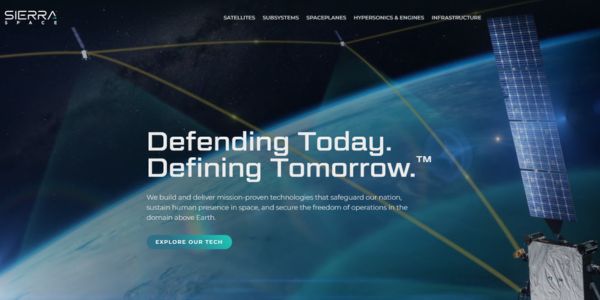
Sierra Space’s $550 million Series C round, valuing the company at $8 billion, signals a decisive shift toward defense-tech space. This feature unpacks the hardware, strategy, and risks shaping the next decade of orbital infrastructure.

Axiom Space has locked in a fresh $350M raise to push its commercial space station and NASA lunar spacesuits toward launch, signaling growing investor faith in private orbital infrastructure.
Morpheus Space secures $15M funding for GO-2 electric propulsion mass production. Learn how this boosts satellite mobility with efficient thrusters.

Stoke Space extended its Series D funding to $860 million, fueling Nova’s full-reuse rocket production at Cape Canaveral. Backed by founders from Blue Origin, this pushes total capital to $1.34B.

Tomorrow.io has closed a $175 million equity round to deploy DeepSky, its AI-native weather satellite constellation designed to make global atmospheric data far more precise, frequent, and useful for businesses, governments, and communities facing extreme weather.

Stay ahead of AI and space tech wars: OpenAI vs Google AI, SpaceX and Blue Origin’s race for orbital data centers, Meta’s AI strategy shift, and key robotics breakthroughs reshaping industry.

Bridgit Mendler’s Northwood Space is pioneering mass-produced ground stations, enabling scalable, high-speed connectivity for the new era of satellite networks and megaconstellations.
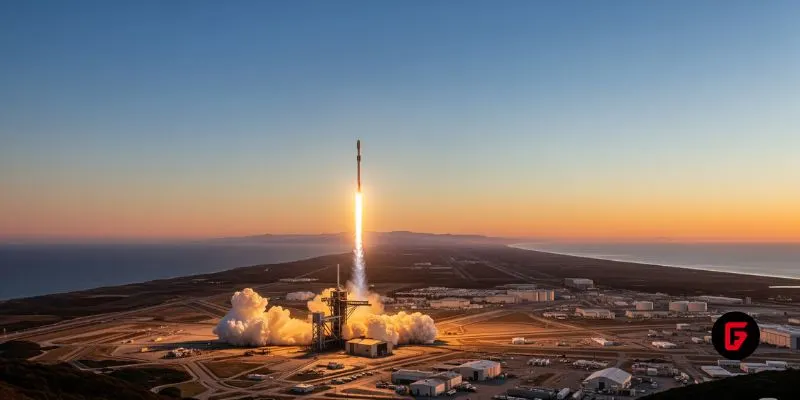
SpaceX aims to nearly double launches from Vandenberg in 2025, facing support from federal agencies but strong objections from the state and local communities.
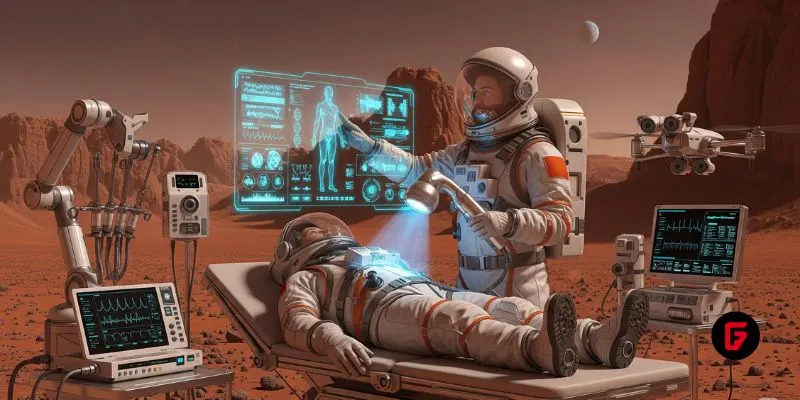
NASA and Google’s AI-powered Crew Medical Officer Digital Assistant enables autonomous diagnoses for astronauts on Mars missions, redefining remote healthcare for space and Earth.
futureTEKnow is focused on identifying and promoting creators, disruptors and innovators, and serving as a vital resource for those interested in the latest advancements in technology.
© 2026 All Rights Reserved.