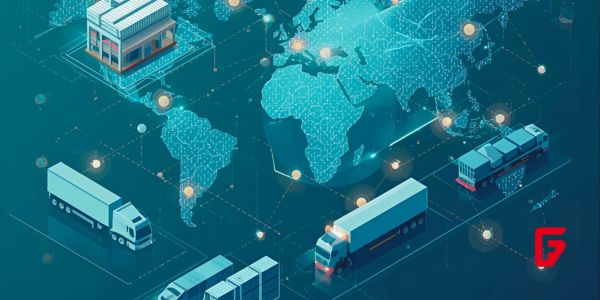











AI-driven platforms are transforming supply chain optimization with real-time visibility, predictive analytics, and automation.
FourKites, Aera Technology, and One Network Enterprises lead in end-to-end visibility and decision intelligence for global networks.
Vecna Robotics, Shipsy, and Shipwell focus on logistics technology that improves warehouse and transportation performance.
3SC, Neurored, Osa Commerce, and TrackChain deliver specialized supply chain software for planning, omnichannel, and tracking use cases.
Keeping a global supply chain running smoothly has never been harder. Rising costs, constant disruptions, and growing customer expectations are forcing companies to rethink how they move goods. That is where AI supply chain platforms step in, helping businesses optimize logistics, forecasting, and end-to-end visibility in ways that were impossible a few years ago.
Below is a deep dive into 10 AI-driven supply chain optimization companies to keep an eye on in 2026: FourKites, Aera Technology, One Network Enterprises, Vecna Robotics, Osa Commerce, Shipsy, Shipwell, 3SC, Neurored, and TrackChain. These players are reshaping how organizations handle supply chain optimization, logistics technology, AI logistics, and supply chain software.
Modern supply chain optimization increasingly depends on real-time data, predictive models, and automation. AI-powered platforms can:
Turn fragmented logistics data into real-time visibility across shipments, warehouses, and inventory.
Use predictive analytics to anticipate delays, demand swings, and capacity issues before they happen.
Automate repetitive planning tasks so teams can focus on strategic decisions instead of firefighting.
In short, AI logistics is shifting the supply chain from reactive to proactive, and the companies below are leading that transition.
FourKites has become synonymous with real-time transportation visibility. The platform connects data from carriers, telematics, ports, and warehouses to deliver predictive ETAs and shipment tracking across road, ocean, rail, and air.
For shippers and 3PLs, this means fewer surprises and better on-time performance. By harnessing AI models trained on massive historical movement data, FourKites helps reduce detention times, optimize routes, and improve customer communication when delays are unavoidable.
Aera Technology positions itself as a kind of “cognitive operating system” for the enterprise. Its platform ingests data from ERPs, planning tools, logistics systems, and external sources, then uses AI to recommend and even execute decisions.
In supply chains, that includes demand sensing, inventory optimization, replenishment, and allocation. Instead of planners manually crunching spreadsheets, Aera’s agents continuously analyze signals, surface insights, and propose next-best actions to keep the network in balance.
One Network Enterprises focuses on creating a multi-enterprise supply chain network, where manufacturers, suppliers, carriers, and retailers can operate on a shared real-time platform.
Its AI engine supports multi-tier planning, order orchestration, and fulfillment optimization, accounting for constraints and variability across partners. Rather than each company optimizing in isolation, One Network enables network-wide optimization, which is crucial for complex global ecosystems.
Vecna Robotics brings AI directly to the warehouse floor through autonomous mobile robots (AMRs) and orchestration software. These robots move pallets and goods across distribution centers, dynamically adjusting routes and priorities based on live conditions.
The real differentiator is the orchestration layer that coordinates humans, robots, and equipment to minimize congestion and idle time. For operations leaders, this becomes a key piece of logistics technology that ties physical movement to digital decision-making.
Osa Commerce focuses on unified commerce and supply chain orchestration, helping brands and retailers manage inventory, orders, and fulfillment across multiple channels.
With AI-driven logic, Osa can determine the best fulfillment node, optimize order routing, and surface exceptions when something breaks in the flow. For omnichannel brands, this improves service levels while keeping logistics costs under control.
Shipsy is a fast-growing AI logistics platform that helps companies manage first, middle, and last-mile delivery. It leverages AI to optimize route planning, capacity utilization, and delivery allocation across fleets and partners.
Shipsy is particularly strong in regions where infrastructure and demand patterns can be unpredictable. By integrating with carriers and internal systems, it enables live tracking, cost analytics, and smarter delivery promises to end customers.
Shipwell started as a cloud-native transportation management system (TMS) and has evolved into an AI-enhanced freight orchestration platform. It connects shippers with carriers, automates load tendering, and surfaces insights on cost, service, and performance.
AI models in Shipwell help with mode selection, carrier choice, and lane optimization, making it easier to build resilient and cost-effective transportation networks without drowning in manual work.
3SC focuses heavily on analytics-driven supply chain optimization. Its tools span demand forecasting, inventory planning, network design, and risk management, often tailored for enterprises operating in diverse markets.
By applying AI and machine learning to historical and external data, 3SC helps organizations right-size inventory, improve service levels, and identify vulnerabilities across their supply chain footprint.
Neurored is a cloud-based supply chain and logistics platform built on top of leading CRM and ERP ecosystems. It targets freight forwarders, manufacturers, and logistics providers with tools for rate management, transportation planning, and real-time visibility.
AI capabilities support demand forecasting, pricing optimization, and shipment predictions, enabling companies to align commercial decisions with operational capacity in a more intelligent way.
TrackChain focuses on real-time tracking and predictive analytics for logistics. By aggregating data from vehicles, telematics, and partners, it offers a single view of in-transit goods, along with alerts for delays, route deviations, or risks.
AI models help forecast arrival times, bottlenecks, and disruptions, empowering teams to act early—rerouting, reassigning loads, or updating customers before an issue becomes critical.
As companies modernize their supply chain software landscape, tools like FourKites, Aera Technology, and the others above rarely replace everything at once. Instead, they typically:
Layer on top of existing systems (ERP, WMS, TMS) to unlock AI-driven insights without a full rebuild.
Serve as connective tissue between partners and data sources, enabling end-to-end visibility.
Provide modular capabilities—from visibility to planning to warehouse automation—so organizations can adopt what they need, when they need it.
For teams exploring AI supply chain upgrades in 2026, these 10 companies represent a strong cross-section of where the market is heading.

Editorial Team
futureTEKnow is a leading source for Technology, Startups, and Business News, spotlighting the most innovative companies and breakthrough trends in emerging tech sectors like Artificial Intelligence (AI), Robotics, and the Space Industry.
Discover the companies and startups shaping tomorrow — explore the future of technology today.

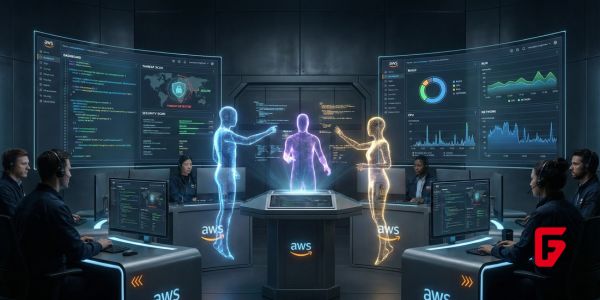
AWS frontier agents introduce a new era of autonomous AI coders that can build, secure, and run applications for days at a time, acting like virtual teammates across dev, security, and DevOps while engineers retain final control over production changes.
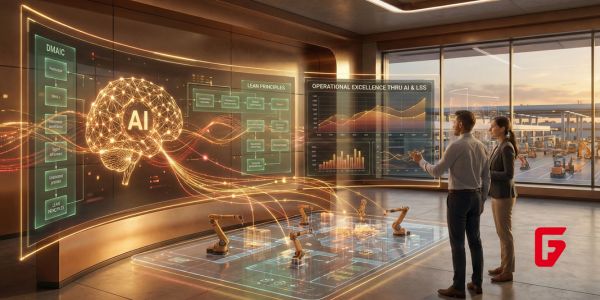
Explore the cutting-edge ways AI is enhancing Lean Six Sigma, from real-time process insights to predictive controls, ushering in a new era of operational excellence and efficiency.
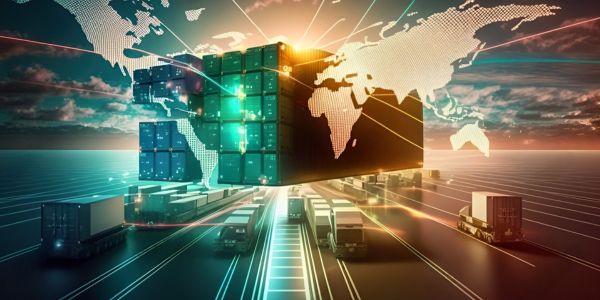
Facing supply chain challenges in 2025? High-performing teams leverage AI for risk management, demand forecasting, supplier analytics, and end-to-end visibility to ensure business continuity and resilience.
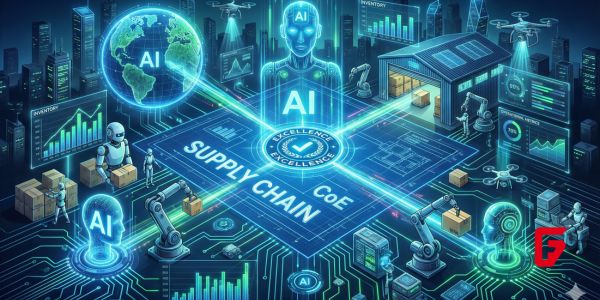
Craft an AI-powered supply chain Center of Excellence that unifies control tower visibility, analytics, and inventory optimization into one strategic hub. Explore this blueprint to learn how a modern supply chain CoE drives resilience, smarter decisions, and operational excellence in the age of AI.
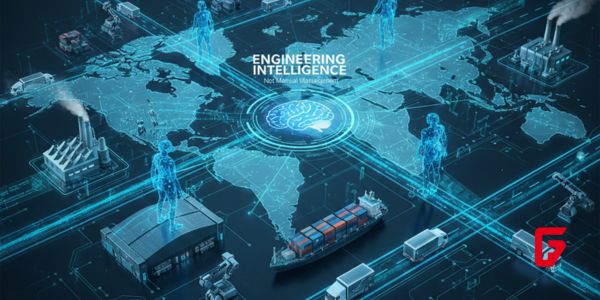
Supply chain leadership is being redefined by AI, intelligent automation, and agentic decision-making, demanding leaders who can engineer end-to-end intelligence rather than simply manage workflows. This article explores how next-generation supply chain leaders will combine data, algorithms, and human judgment to build resilient, adaptive, and high-performing global operations.
Bridgit Mendler’s Northwood Space is pioneering mass-produced ground stations, enabling scalable, high-speed connectivity for the new era of satellite networks and megaconstellations.

SpaceX aims to nearly double launches from Vandenberg in 2025, facing support from federal agencies but strong objections from the state and local communities.
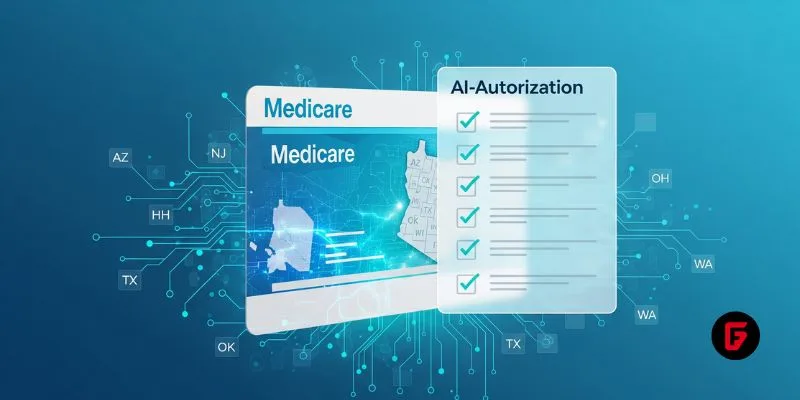
Traditional Medicare will pilot AI-assisted prior authorization in 2026 across six states, focusing on high-risk outpatient services. Clinicians retain final say, but incentives and access concerns loom as CMS tests fraud reduction and “gold card” exemptions. Here’s what providers and patients should know.

OpenArt’s new “one-click story” compresses scripting, visuals, and edits into ready-to-post short videos—fueling viral growth and a fresh IP debate. We break down how it works, adoption signals, what’s next (multi-character, mobile), and practical guardrails creators and brands should follow to stay original and compliant.
OpenAI’s o3 swept the Kaggle AI chess tournament, defeating xAI’s Grok 4–0. The victory fueled the intense rivalry between Altman and Musk, reshaping AI benchmarks.

NASA and Google’s AI-powered Crew Medical Officer Digital Assistant enables autonomous diagnoses for astronauts on Mars missions, redefining remote healthcare for space and Earth.

Pinterest’s CEO confirms that fully agentic AI shopping is years away, as the platform invests in AI-powered tools to enhance discovery, inspiration, and personalized shopping experiences for millions.
To provide the best experiences, we use technologies like cookies to store and/or access device information. Consenting to these technologies will allow us to process data such as browsing behavior or unique IDs on this site. Thanks for visiting futureTEKnow.