
Startups & Business News
AI-Powered Prior Authorization Comes to Traditional Medicare
KEY POINTS
Traditional Medicare will pilot AI-powered prior authorization starting January 2026, targeting 17 high-risk services in six states.
Licensed clinicians will make final approval decisions; AI tools will assist but cannot deny coverage independently.
Financial incentives for technology partners are raising concerns about increased denials and care delays.
Critics fear this move could undermine Medicare’s simpler access, though supporters highlight fraud reduction potential.
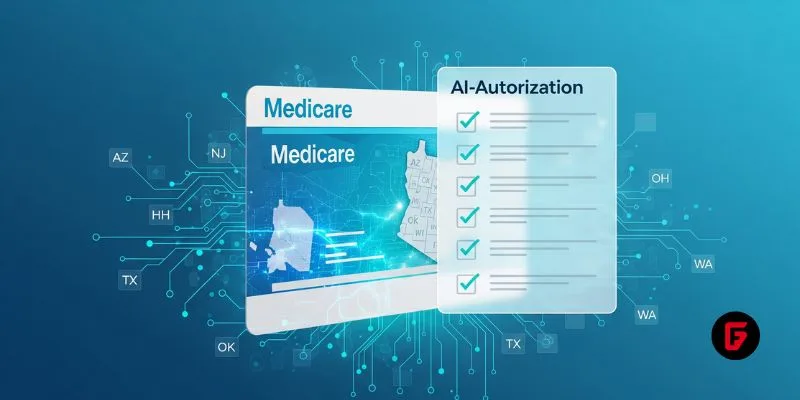
What Are the Risks and Rewards of Medicare’s New AI Authorization Model?
What Services Will Be Impacted?
Not all medical services get swept up in this sea change. WISeR zeroes in on 17 procedures and therapies most associated with fraud or unnecessary claims, including:
Electrical and phrenic nerve stimulators
Cervical spinal fusions
Knee arthroscopy for osteoarthritis
Incontinence devices
Epidural steroid injections
Skin and tissue substitutes for chronic wounds
These are outpatient services—not emergency care or inpatient surgeries—so urgent medical interventions won’t be slowed down by this new process.
How Will This Affect Patients and Providers?
The Road Ahead

Sofia Klein is a Staff Writer at futureTEKnow, writing about European AI ecosystems, safety research, and the regulatory frameworks shaping how AI gets deployed.
Discover the companies and startups shaping tomorrow — explore the future of technology today.
Most Popular



Trending Companies
Latest Articles
futureTEKnow is focused on identifying and promoting creators, disruptors and innovators, and serving as a vital resource for those interested in the latest advancements in technology.
© 2026 All Rights Reserved.