


































Boston, Massachusetts, USA
2016
Meteorology, Aerospace, Aviation, Logistics, Agriculture, Energy, Transportation, Insurance, Emergency Management
Tomorrow.io is a weather technology company developing space-based atmospheric observation systems, artificial intelligence forecasting models, and weather intelligence software. The company operates a constellation of weather-sensing satellites that collect atmospheric measurements used to improve forecasting and environmental monitoring. Its technology combines microwave sensing, precipitation radar, machine learning, and automated operational decision-making. Tomorrow.io provides AI-powered weather intelligence for businesses, government agencies, and organizations managing weather-related risks. Its work connects satellite Earth observation with emerging technologies in atmospheric modeling, predictive analytics, and enterprise automation.
Tomorrow.io collects atmospheric observations from satellites and other weather data sources, processes the information through forecasting models, and delivers weather intelligence to organizations managing operational risks. Its weather-sensing satellite constellation measures atmospheric temperature, moisture, and precipitation, including observations over oceans and regions with limited ground-based monitoring infrastructure.
The company combines these observations with numerical weather prediction and artificial intelligence to generate forecasts, detect weather hazards, and identify potential operational disruptions.
Through its Weather Intelligence Platform, customers monitor facilities, transportation routes, equipment, and geographic locations exposed to changing weather conditions. The software supports automated alerts, risk assessments, and operational workflows.
Tomorrow.io also provides weather APIs, satellite datasets, and specialized AI agents for industries including aviation, logistics, energy, insurance, agriculture, and emergency management.
Tomorrow.io develops atmospheric observation and forecasting technologies combining satellite sensors, artificial intelligence, numerical weather prediction, and automated decision-making software. Its space infrastructure collects measurements that help address gaps in conventional weather monitoring, particularly over oceans and regions with limited radar coverage.
The company’s operational satellites use passive microwave sounding technology to measure radiation emitted by Earth’s atmosphere. These observations provide information about atmospheric temperature, water vapor, and precipitation, including conditions beneath cloud cover. Tomorrow.io also develops active precipitation radar technology capable of measuring radar reflections from rain, snow, and other atmospheric particles.
Its planned DeepSky satellite constellation combines five observation technologies: microwave sounding, precipitation radar, infrared and visible imaging, GNSS radio occultation, and GNSS reflectometry. These instruments are designed to collect complementary measurements of atmospheric structure, precipitation, cloud behavior, and ocean-surface conditions. DeepSky remains a development program rather than a fully operational constellation.
Tomorrow.io processes satellite observations alongside ground-based measurements and other environmental datasets using forecasting models and machine learning. Its AI technologies include atmospheric state modeling, high-frequency weather prediction, and automated identification of weather-related risks.
The company’s AI-powered operational agents connect forecast information with industry-specific workflows. These systems analyze changing conditions, identify exposed assets, and recommend actions involving transportation, infrastructure, energy management, and emergency preparedness.
Tomorrow.io is relevant to emerging space technology because it is expanding the use of commercial satellites for atmospheric monitoring and weather prediction. Conventional observation networks provide uneven geographic coverage, leaving substantial gaps over oceans and regions without extensive radar infrastructure.
The company’s space-based weather observation systems provide additional atmospheric measurements that can improve the information available to forecasting models and operational decision-makers.
Tomorrow.io also demonstrates how artificial intelligence and satellite data can be combined to support automated responses to environmental risks. Its software connects weather forecasts with operational decisions involving aviation, transportation, energy, agriculture, and infrastructure.
The development of DeepSky extends this approach toward more comprehensive atmospheric observation, illustrating the growing relationship between commercial satellite constellations, AI forecasting, and environmental intelligence.
The Weather Intelligence Platform combines satellite observations, forecasting models, and operational data to help organizations manage weather-related risks. It provides location-specific forecasts, automated alerts, and predictive workflows for monitoring facilities, transportation networks, and other assets exposed to changing environmental conditions.
Tomorrow.io’s Weather API provides developers with access to real-time weather conditions, forecasts, and historical observations. The service includes more than 60 weather data layers and supports weather data integration into software applications, AI agents, and automated systems. Forecast information is available for locations worldwide.
Tomorrow.io operates a constellation of low Earth orbit satellites equipped with microwave sounding instruments. The spacecraft collect atmospheric temperature, moisture, and precipitation observations that support weather modeling and environmental monitoring. The company also develops radar-equipped satellites for detailed precipitation measurements.
DeepSky is Tomorrow.io’s next-generation weather observation constellation under development. Its proposed spacecraft combine five sensor technologies to measure atmospheric conditions across multiple layers. The system is designed to provide high-frequency, multi-instrument atmospheric observations for forecasting, early warning, and environmental intelligence.
Tomorrow.io provides atmospheric datasets derived from satellite microwave sounders and precipitation radar instruments. Products include brightness temperature measurements, atmospheric profiles, radar reflectivity, and precipitation estimates. These datasets support numerical weather prediction, scientific research, and environmental analysis.
Tomorrow.io develops artificial intelligence models for atmospheric analysis and forecasting, including Sky 1, FOCUS, and RE-FOCUS. These technologies support high-frequency weather prediction and atmospheric state estimation by processing satellite observations and other meteorological data.
Tomorrow.io offers specialized AI agents for operational weather intelligence. Its products include Shield for insurance, GroundControl and Altitude for aviation, Trackline for rail transportation, and FleetIQ for logistics. These systems connect weather risk analysis with industry-specific operational decisions.
Tomorrow.io technology is used in aviation, logistics, agriculture, energy, insurance, manufacturing, and emergency management. Its satellite observations and forecasting models support weather risk monitoring and operational planning across industries exposed to changing atmospheric conditions.
Airlines and airports use weather intelligence to evaluate turbulence, icing, thunderstorms, and potential flight disruptions. Transportation and logistics operators monitor weather hazards affecting routes, delivery schedules, and distribution facilities.
Energy providers use forecasts to assess renewable generation conditions and infrastructure exposure, while agricultural organizations monitor rainfall and weather patterns affecting field operations.
Tomorrow.io also supports disaster preparedness and environmental monitoring, providing atmospheric information for severe storm assessment, flood risk planning, and emergency response coordination.
Yes. Tomorrow.io operates commercial weather-observation satellites in low Earth orbit. Its constellation includes microwave sounders that collect atmospheric temperature and moisture measurements. The company also develops space-based precipitation radar technology to expand the availability of weather observations in areas with limited ground-based monitoring.
Tomorrow.io’s existing constellation provides atmospheric observations using microwave sensing technology. DeepSky is a next-generation constellation under development that combines five instruments on each spacecraft: microwave sounding, precipitation radar, infrared and visible imaging, GNSS radio occultation, and GNSS reflectometry. The proposed architecture is designed to provide more comprehensive atmospheric measurements.
Tomorrow.io combines satellite observations, ground-based weather measurements, and other environmental datasets with artificial intelligence models. These models analyze atmospheric conditions, estimate weather patterns, and generate forecasts. The company’s AI systems also identify weather-related operational risks and help organizations determine when preventive actions may be needed.
Yes. Tomorrow.io provides a Weather API that allows developers to retrieve current weather conditions, forecasts, and historical weather information. The API supports applications involving logistics, aviation, agriculture, energy management, and automated monitoring. Its data can also be integrated into AI agents and enterprise software.
Ground-based weather radar networks provide limited coverage over oceans and many remote regions. Satellites can collect atmospheric observations across much larger geographic areas, including locations without extensive weather infrastructure. Tomorrow.io uses space-based measurements to supplement existing observation networks and provide additional data for weather forecasting models.
Have an update, correction, or additional information about this company? Help us keep the futureTEKnow company database up to date by submitting the latest company information.

Turion Space has raised more than $75 million in Series B funding to scale its Starfire platform and satellite fleet, betting that space domain awareness is the next critical defense infrastructure layer. The piece unpacks Turion’s business model, contracts, and risks for operators and investors watching the new space intelligence stack.
Pulsar Fusion’s Sunbird fusion rocket has achieved first plasma, validating its exhaust architecture and edging a reusable “space tug” concept toward sub‑six‑month Mars transfers. Drawing on multiple reports, this piece breaks down how the Dual Direct Fusion Drive works, what the 2027 in‑orbit demo must prove, and which technical and regulatory hurdles still stand between Sunbird and operational deep‑space logistics.

Aetherflux is betting that orbital data centers can power the next wave of AI, shifting from laser power beaming to space-based compute as it targets a $2 billion valuation. For founders and investors, the company’s 2027 satellite plans highlight how quickly space infrastructure is converging with AI demand and reshaping the deep-tech funding landscape.
Sierra Space’s $550 million Series C round, valuing the company at $8 billion, signals a decisive shift toward defense-tech space. This feature unpacks the hardware, strategy, and risks shaping the next decade of orbital infrastructure.

Axiom Space has locked in a fresh $350M raise to push its commercial space station and NASA lunar spacesuits toward launch, signaling growing investor faith in private orbital infrastructure.
Morpheus Space secures $15M funding for GO-2 electric propulsion mass production. Learn how this boosts satellite mobility with efficient thrusters.

Stoke Space extended its Series D funding to $860 million, fueling Nova’s full-reuse rocket production at Cape Canaveral. Backed by founders from Blue Origin, this pushes total capital to $1.34B.
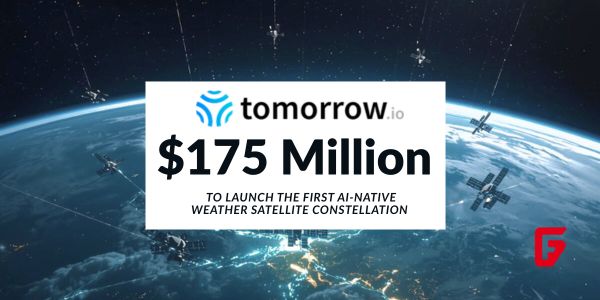
Tomorrow.io has closed a $175 million equity round to deploy DeepSky, its AI-native weather satellite constellation designed to make global atmospheric data far more precise, frequent, and useful for businesses, governments, and communities facing extreme weather.
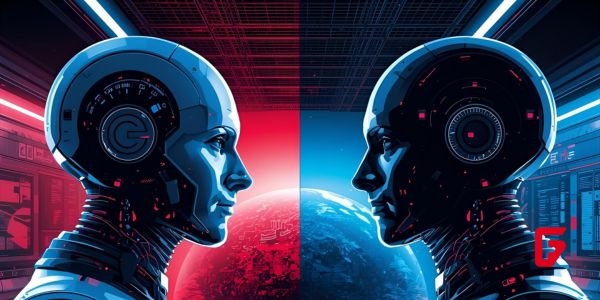
Stay ahead of AI and space tech wars: OpenAI vs Google AI, SpaceX and Blue Origin’s race for orbital data centers, Meta’s AI strategy shift, and key robotics breakthroughs reshaping industry.

Bridgit Mendler’s Northwood Space is pioneering mass-produced ground stations, enabling scalable, high-speed connectivity for the new era of satellite networks and megaconstellations.
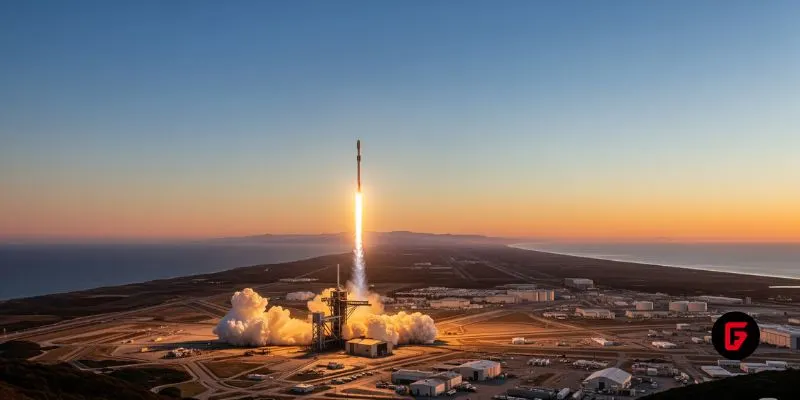
SpaceX aims to nearly double launches from Vandenberg in 2025, facing support from federal agencies but strong objections from the state and local communities.
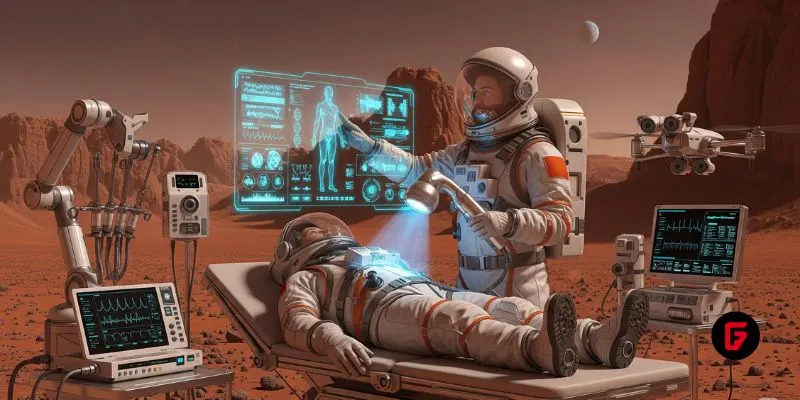
NASA and Google’s AI-powered Crew Medical Officer Digital Assistant enables autonomous diagnoses for astronauts on Mars missions, redefining remote healthcare for space and Earth.
futureTEKnow is focused on identifying and promoting creators, disruptors and innovators, and serving as a vital resource for those interested in the latest advancements in technology.
© 2026 All Rights Reserved.