


























TRL11

Company Information

TRL11 designs and manufactures state-of-the-art full-motion video solutions and supporting subsystems for aerospace applications.

Headquarters

Los Angeles, California, USA

Year Founded

2022

Website

Sector

Industries

Aerospace, Satellite Manufacturing, Space Surveillance, Defense, Space Exploration, Satellite Operations, Space Infrastructure

What Is TRL11?

TRL11 is a space technology company developing space-rated video systems and AI-enabled visual intelligence for satellites, spacecraft, and orbital infrastructure. Its technology combines cameras, onboard processing hardware, video compression, and mission control software to capture and analyze spacecraft activity. The company’s systems support space domain awareness, autonomous rendezvous and docking, spacecraft health monitoring, and mission assurance. TRL11 provides modular camera and recording equipment alongside integrated multi-camera payloads that help spacecraft operators observe events in orbit and transmit relevant information to Earth.

What Does TRL11 Do?

TRL11 designs and manufactures imaging hardware and software for spacecraft operating in Earth orbit and other space environments. Its systems capture full-motion video of spacecraft activity, nearby objects, and orbital operations.

The company develops space-rated cameras, video recorders, and multi-camera payloads that can be integrated into satellites, servicing spacecraft, and commercial space stations. These systems provide visual information about spacecraft deployment, docking, mechanical operations, and surrounding orbital objects.

TRL11 also develops AI-enabled onboard video processing that identifies objects, detects unusual events, and selects important imagery for transmission. This reduces the amount of video data that must be sent through bandwidth-limited spacecraft communication links.

Its software supports video transmission, telemetry integration, mission monitoring, and visual analysis. Operators can use the resulting information to investigate spacecraft anomalies, assess nearby objects, and monitor mission progress.

TRL11 works with commercial spacecraft developers and government organizations on applications involving space surveillance, autonomous navigation, rendezvous and proximity operations, and spacecraft mission assurance.

Join Our Newsletter

* indicates required

Intuit Mailchimp

ADVERTISEMENT
eMerge Americas 2027 Conference
ADVERTISEMENT
Submit Your Company | futureTEKnow

TRL11 Technology

TRL11 develops an integrated visual intelligence architecture for capturing, processing, transmitting, and analyzing video in space. Its systems combine optical sensors, onboard computing, artificial intelligence, communication software, and ground-based mission interfaces.

The company’s imaging hardware includes FOVEA cameras and SAVER video processing equipment. These components capture high-resolution, full-motion video and provide onboard recording and computing capabilities. The hardware is designed for spacecraft with constraints on size, weight, power consumption, and communication bandwidth.

TRL11 also develops integrated multi-camera systems under its xClops product family, including BICLOPS, TRICLOPS, and QUADCLOPS. These payloads combine multiple optical sensors and onboard processing to support spacecraft inspection, object tracking, proximity operations, and orbital surveillance.

Its Very Important Pixels (VIP) technology uses AI and machine learning to analyze video onboard spacecraft. VIP1st identifies significant events and prioritizes their transmission, while VIPOnly processes imagery to identify objects and characterize activity. This approach allows spacecraft to transmit selected visual information instead of relying exclusively on continuous raw video downlink.

TRL11’s VIPLink software is designed to transmit video and visual intelligence through constrained space-to-ground communication links. Its architecture includes error correction, prioritized data delivery, and support for low-delay video transmission.

The company’s Commander mission control software combines video feeds with spacecraft telemetry. It provides operators with visual monitoring, event notifications, and tools for reviewing spacecraft activity.

For space domain awareness, TRL11 is developing machine vision and optical observation capabilities that can detect, track, and characterize nearby spacecraft and other orbital objects. Its technology also supports rendezvous and docking guidance by supplying visual measurements during proximity operations.

Why TRL11 Matters

Many spacecraft rely primarily on telemetry and individual images to communicate their operational status. These sources provide valuable measurements but may not fully explain physical events such as unexpected movements, deployment problems, or interactions with nearby objects.

TRL11’s full-motion video and onboard visual analysis give operators additional information about spacecraft behavior. Video can help identify the sequence of events surrounding an anomaly and provide visual confirmation of mission activities.

Its AI-enabled processing and prioritized downlink address the challenge of transmitting large amounts of imagery through limited spacecraft communication channels. Processing data in orbit can reduce the need to send every recorded frame to the ground.

These capabilities are relevant to satellite servicing, commercial space stations, autonomous docking, and space surveillance. As spacecraft operations become more complex, integrated visual monitoring can support navigation, mission verification, and the assessment of orbital activity.

TRL11 Products & Platforms

FOVEA Space Camera

FOVEA is TRL11’s modular camera system for capturing video aboard spacecraft. The hardware supports full-motion video at resolutions up to 4K, with different lens configurations and wide dynamic range imaging. It can be integrated into spacecraft monitoring and observation systems for deployment verification, spacecraft inspection, and mission monitoring. FOVEA can operate alongside SAVER processing hardware to record and transmit visual information.

SAVER Video Edge Compute Recorder

SAVER is a space-rated video recorder and onboard computing platform designed to process imagery collected by spacecraft cameras. It supports multiple video inputs, recording, compression, and AI-enabled analysis. The system can identify significant events and select relevant footage for transmission. SAVER provides onboard video processing and event detection for spacecraft with limited communication bandwidth.

BICLOPS

BICLOPS is a two-camera imaging payload in TRL11’s xClops family. It is designed to provide visual information during spacecraft proximity operations, including object tracking and docking guidance. Its multi-camera configuration supports relative navigation and spacecraft observation where different viewing angles are useful for assessing nearby objects.

TRICLOPS

TRICLOPS is a three-camera payload developed for rendezvous and proximity operations. It combines multiple imaging sensors with onboard processing to observe target spacecraft and support relative navigation. The system is designed for object tracking, autonomous rendezvous, and docking guidance, providing visual measurements that can complement other spacecraft navigation sensors.

QUADCLOPS

QUADCLOPS is an integrated multi-camera imaging system designed for spacecraft operating in low Earth orbit and geostationary orbit. It combines optical sensors and onboard processing to support visual surveillance, proximity operations, and object characterization. Its architecture provides multi-angle spacecraft observation and machine vision for commercial and defense missions.

QUADCLOPS Pro

QUADCLOPS Pro is a specialized optical surveillance payload designed for space domain awareness missions. It combines camera technology with telescope-based imaging to detect and characterize orbital objects at longer distances. TRL11 describes a target observation range of approximately 20 to 50 kilometers for resolved imagery. The system supports orbital object identification, tracking, and threat assessment.

VIP1st

VIP1st is TRL11’s AI-enabled onboard video processing technology for detecting events and prioritizing imagery. It analyzes footage collected by spacecraft cameras and identifies information that may require immediate attention. Instead of transmitting video strictly in recording order, the system can prioritize relevant segments for downlink. VIP1st supports anomaly detection and bandwidth-efficient video delivery.

VIPOnly

VIPOnly is TRL11’s onboard machine vision technology for analyzing objects and activity captured by spacecraft cameras. It uses AI and image processing to identify objects, characterize scenes, and extract relevant information from video. The technology supports spacecraft observation, object identification, and orbital activity analysis without requiring all raw footage to be transmitted to Earth.

VIPLink

VIPLink is TRL11’s video transmission software for delivering imagery from spacecraft to ground operators. It incorporates error correction, prioritized data transmission, and communication methods designed for constrained space-to-ground links. The software supports low-delay video streaming and reliable delivery of mission-critical imagery, allowing operators to receive important visual information during spacecraft operations.

Commander Mission Control

Commander is TRL11’s visual mission control software. It combines spacecraft video feeds with telemetry and operational information in a single interface. The platform supports mission monitoring, multiple video streams, and notifications about unusual events. Commander provides visual spacecraft monitoring and anomaly investigation for operators managing spacecraft and orbital missions.

Space-Rated Networking Hardware

TRL11 supplies networking hardware designed to connect cameras, onboard processors, and other spacecraft systems. Its product range includes ruggedized Ethernet switches with five-port and eight-port configurations for low Earth orbit and geostationary applications. These components support spacecraft video networking and onboard data distribution.

TRL11 Applications

TRL11’s imaging and processing technologies support spacecraft monitoring, mission assurance, and space domain awareness. Its cameras provide visual information about satellite deployments, mechanical operations, and nearby objects, helping operators investigate spacecraft anomalies and mission events.

For satellite servicing and rendezvous missions, its multi-camera systems support object tracking, proximity navigation, and docking guidance. These capabilities are relevant to spacecraft that approach or interact with other objects in orbit.

Government and defense organizations can use TRL11’s optical surveillance and machine vision technology to observe orbital objects, identify unusual activity, and assess potential threats to spacecraft.

Commercial space stations and exploration missions can use its video systems for onboard monitoring, visual inspection, and communication of mission activities. Its processing and transmission software helps deliver relevant imagery while managing spacecraft bandwidth limitations.

Latest Companies

ADVERTISEMENT
eMerge Americas 2027 Conference

Frequently Asked Questions

What does TRL11 do?

TRL11 develops space-rated camera systems, onboard video processing hardware, and visual intelligence software for satellites and spacecraft. Its technology supports spacecraft monitoring, space domain awareness, rendezvous and docking, and mission assurance. The company provides modular imaging components, integrated camera payloads, and software for analyzing and transmitting video from orbit.

What is TRL11’s Visual Intelligence Platform?

TRL11’s Visual Intelligence Platform combines cameras, onboard processing, AI-enabled image analysis, video transmission, and mission control software. It captures spacecraft activity, identifies relevant objects and events, and delivers visual information to ground operators. The platform is designed to support spacecraft operations where continuous raw video transmission may be limited by available bandwidth.

How does TRL11 use artificial intelligence in space?

TRL11 uses AI and machine learning to analyze video directly aboard spacecraft. Its VIP1st technology identifies significant events and prioritizes footage for transmission, while VIPOnly supports object identification and scene analysis. These capabilities help spacecraft operators detect anomalies, monitor nearby objects, and receive relevant information without downloading every recorded frame.

Can TRL11’s technology support autonomous spacecraft docking?

Yes. TRL11 develops multi-camera systems for rendezvous, proximity operations, and docking guidance. Its BICLOPS, TRICLOPS, and QUADCLOPS payloads provide visual observations that can support object tracking and relative navigation. These systems can supply imaging information to spacecraft navigation and control systems during close approaches.

Has TRL11 deployed video technology in space?

Yes. TRL11 has deployed video hardware on orbital missions, including its Mission Impossible: 2 payload aboard D-Orbit’s ION Satellite Carrier. The payload combines four FOVEA cameras with SAVER video processing equipment. TRL11 has also announced additional imaging systems for commercial spacecraft and space station missions.

Related Companies

HEO

Privateer

Astroscale

Do You Have an Update for This Company?

Have an update, correction, or additional information about this company? Help us keep the futureTEKnow company database up to date by submitting the latest company information.

Update Company Information

Latest Articles

Fusion rocket Sunbird ignites in a first plasma test, putting Pulsar Fusion’s high‑efficiency fusion rocket Sunbird closer to sub‑6‑month Mars missions.

Fusion rocket Sunbird ignites: Pulsar Fusion’s plasma breakthrough for faster deep-space travel

Pulsar Fusion’s Sunbird fusion rocket has achieved first plasma, validating its exhaust architecture and edging a reusable “space tug” concept toward sub‑six‑month Mars transfers. Drawing on multiple reports, this piece breaks down how the Dual Direct Fusion Drive works, what the 2027 in‑orbit demo must prove, and which technical and regulatory hurdles still stand between Sunbird and operational deep‑space logistics.
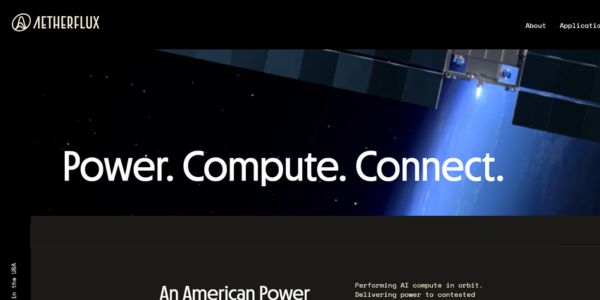
Aetherflux orbital data center plans target a $2B valuation as the startup pivots from laser power beaming to space-based AI compute.

Aetherflux’s $2B orbital bet: space data centers for the AI age

Aetherflux is betting that orbital data centers can power the next wave of AI, shifting from laser power beaming to space-based compute as it targets a $2 billion valuation. For founders and investors, the company’s 2027 satellite plans highlight how quickly space infrastructure is converging with AI demand and reshaping the deep-tech funding landscape.
futureTEKnow is focused on identifying and promoting creators, disruptors and innovators, and serving as a vital resource for those interested in the latest advancements in technology.

© 2026 All Rights Reserved.