























Are your AI projects stuck on your own data?
AI projects often stall because business data isn’t consistent or trustworthy. Here’s how to identify data gaps before they become

X Square Robot’s $276M Bet on Embodied AI and China’s General-Purpose Robots
X Square Robot has raised $276M from Xiaomi, Sequoia China, and other internet giants to scale its WALL-A embodied AI
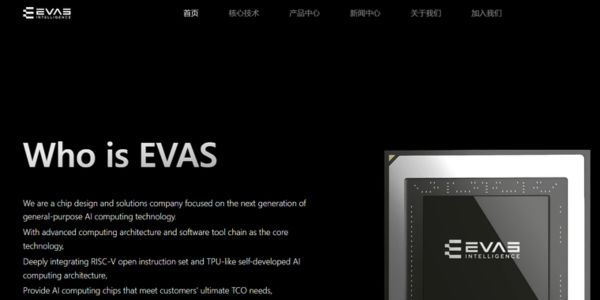
EVAS Intelligence’s RISC-V AI Chips Land 1.5 Billion Yuan Series B to Power Global Expansion
EVAS Intelligence has raised 1.5 billion yuan to mass‑produce its RISC-V Epoch AI chips, deepen its full‑stack platform, and accelerate
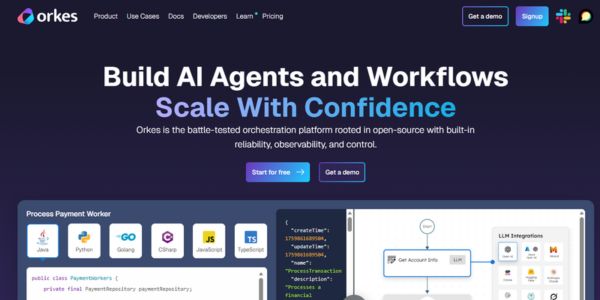
Orkes Raises $60M to Orchestrate Enterprise AI Agents in Production
Orkes has raised 60 million dollars to turn its Netflix‑born workflow engine into a control plane for enterprise AI agents.

Sillage’s AI signal engine raises €1.7M to help enterprise sales teams follow the right buying signals
Paris-based Sillage has raised €1.7 million to launch an AI signal engine that helps enterprise sales teams follow the right
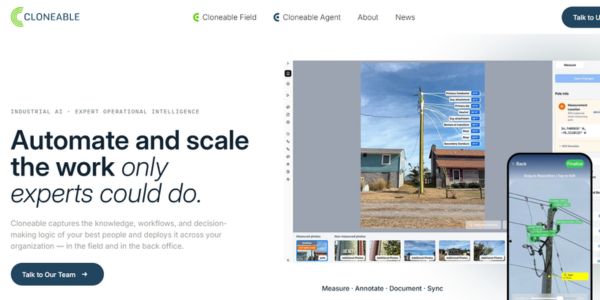
Cloneable’s agentic AI platform targets the infrastructure knowledge gap with $4.6M seed round
Cloneable is launching an agentic AI platform for infrastructure operations that captures institutional knowledge from retiring experts and turns it

Algorized
Algorized is a deep-tech company developing edge-AI models that give machines real-time awareness of people using wireless sensors such as

Reliable Robotics Secures $160M to Scale Autonomous Aircraft Systems for Commercial Deployment
Reliable Robotics has secured $160M to scale production and deployment of its Reliable Autonomy System. This funding marks a pivotal

Ricursive Superintelligence’s $500M bet on self-improving AI raises the stakes in the AGI funding race
Excerpt: Ricursive Superintelligence has raised at least $500 million to build self‑improving AI, with GV and Nvidia backing a four‑month‑old

Bond AI raises US$2M to automate SME accounting in Brazil’s brutal tax maze
Brazilian startup BOND has raised US$2M to automate accounting for SMEs in Brazil’s complex tax system. Combining AI with human

Loop’s AI supply chain platform raises $95M Series C to predict disruptions before they hit
Loop just raised a $95M Series C to expand its AI-native supply chain platform, turning messy logistics data into early

London AI startup Lua wants to give every business its own AI workforce with $5.8M seed round
Linkedin X-twitter-square Facebook-square Startups & Business News AI agents are finally moving from demos to the day-to-day stack of real