
Startups & Business News
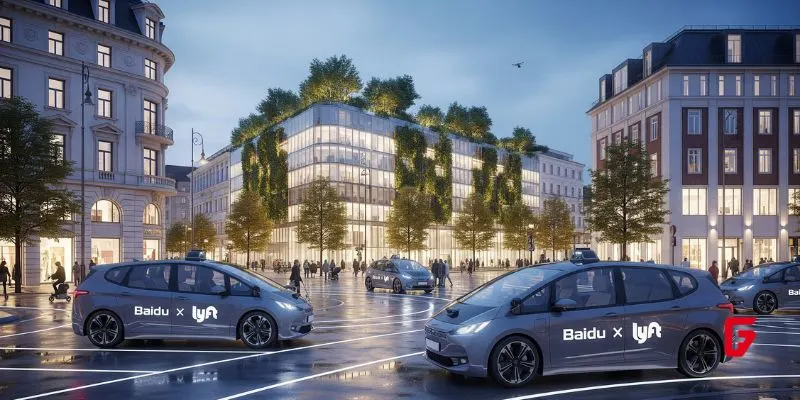
Baidu and Lyft Team Up: The Robotaxi Revolution Hits Europe
KEY POINTS
Baidu and Lyft will launch robotaxi services in Germany and the UK starting in 2026, using Baidu’s advanced RT6 vehicles.
Lyft’s acquisition of FreeNow accelerates its European rollout, while Baidu expands its successful Apollo Go platform internationally.
The partnership adopts a “hybrid network” where autonomous vehicles and human drivers co-exist, offering riders flexible, safe options.
Europe’s robotaxi race is heating up as Uber, Tesla, and Chinese tech leaders all compete for dominance in the coming years.
Baidu and Lyft Team Up: The Robotaxi Revolution Hits Europe
Autonomous vehicles have long been a sci-fi vision, but the reality is racing toward European streets. In a bold move shaking up the global mobility scene, China’s Baidu and U.S. ride-hailing leader Lyft are joining forces to bring robotaxis to Germany and the United Kingdom starting in 2026—pending regulatory approval. This partnership marks a pivotal leap for both tech giants, charting a new course for self-driving cars in Europe and intensifying the global robotaxi race.
A Strategic Alliance Shaping the Future of Transport
After dominating ride-hailing in the U.S., Lyft recently turbocharged its European expansion by acquiring FreeNow, a major mobility platform covering over 180 cities in nine countries. Now, by partnering with Baidu—a recognized leader in autonomous driving technology—Lyft is set to leapfrog into the European high-tech mobility scene.
For Baidu, this is a landmark move: it’s their first European rideshare partnership, bringing the acclaimed Apollo Go robotaxi platform out of China and straight into Western metropolises. The rollout, if all goes as planned, will start with Baidu’s highly advanced RT6 electric robotaxis in Germany and the UK, then rapidly scale to thousands of vehicles across Europe in the coming years.
Why This Partnership Stands Out
Purpose-built Robotaxis: Baidu’s sixth-generation RT6 vehicles will be the backbone of this effort. Built for ridesharing, these fully electric cars are loaded with the Apollo Autonomous Driving Foundation Model, an industry-leading sensor suite, and a robust 10-layer safety redundancy architecture.
Deep Market Integration: By leveraging FreeNow’s existing relationships with regulators and taxi networks, the launch can happen swiftly and with fewer obstacles.
Hybrid Network Approach: Lyft’s vision is clear: human drivers and autonomous vehicles will co-exist, giving customers more flexibility and choice for every ride.
Lyft CEO David Risher explains, “Our partnership with Baidu isn’t just about new tech—it’s about creating a phenomenal user experience for riders, ensuring safety, reliability, and privacy… as well as bringing these benefits to millions of Europeans”.
Competitive Tensions Heat Up
This announcement doesn’t happen in a vacuum. Uber, Lyft’s longtime rival, has its own autonomy push with more than 18 partnerships worldwide—including alliances with Chinese firms WeRide and Pony AI, who are also eyeing Europe and the Middle East. Meanwhile, established American and Chinese tech companies like Tesla, Waymo, and Cruise are ramping up their own robotaxi plans across multiple continents.
Baidu’s experience is unmatched: over 11 million robotaxi rides completed, with more than a thousand cars operating in 15 cities worldwide. In China, Apollo Go has proven its ability to scale up, especially in megacities like Wuhan, where more than 500 robotaxis operate daily without major incidents.
Opportunities, Hurdles, and Public Skepticism
The promise of autonomous vehicles goes beyond removing the driver. Providers tout:
Increased road safety: Advanced AI and sensor suites may cut down human error.
Lower operational costs: Electric, driverless vehicles promise higher efficiency long-term.
Scalable urban mobility: Each city gets a custom approach via deep integration with local authorities and regulations.
Yet, there are serious challenges:
Regulatory approvals: Each European country has its own regulations and public acceptance varies.
Technological adaptation: Weather, complex traffic, and data privacy issues still test the limits of self-driving tech.
Public trust: Not everyone is ready to ride in a car without a driver—a hurdle both Lyft and Baidu are keenly aware of.
What Comes Next?
If regulators give the green light, passengers will soon be able to hail a sleek, driverless robotaxi straight from the Lyft app. Expect the first rides to roll out by spring 2026 in the UK, with Germany following as regulatory hurdles clear. Lyft’s FreeNow network will accelerate deployment and help smooth over local integration.
Europe, already known for robust transport and green policies, could become the global showcase for safe, efficient, and sustainable autonomous mobility. The ultimate success of this partnership, though, hinges on the kind of public acceptance and regulatory approval that only real-world testing can earn.
This alliance isn’t just about two companies looking for new markets; it’s the crest of a new mobility wave, one that could fundamentally change how millions travel across Europe’s cities in the coming decade.

futureTEKnow
Editorial Team
Discover the companies and startups shaping tomorrow — explore the future of technology today.
Most Popular



Trending Companies
Latest Articles
futureTEKnow is focused on identifying and promoting creators, disruptors and innovators, and serving as a vital resource for those interested in the latest advancements in technology.
© 2026 All Rights Reserved.