The Race for AI-Driven Browsing
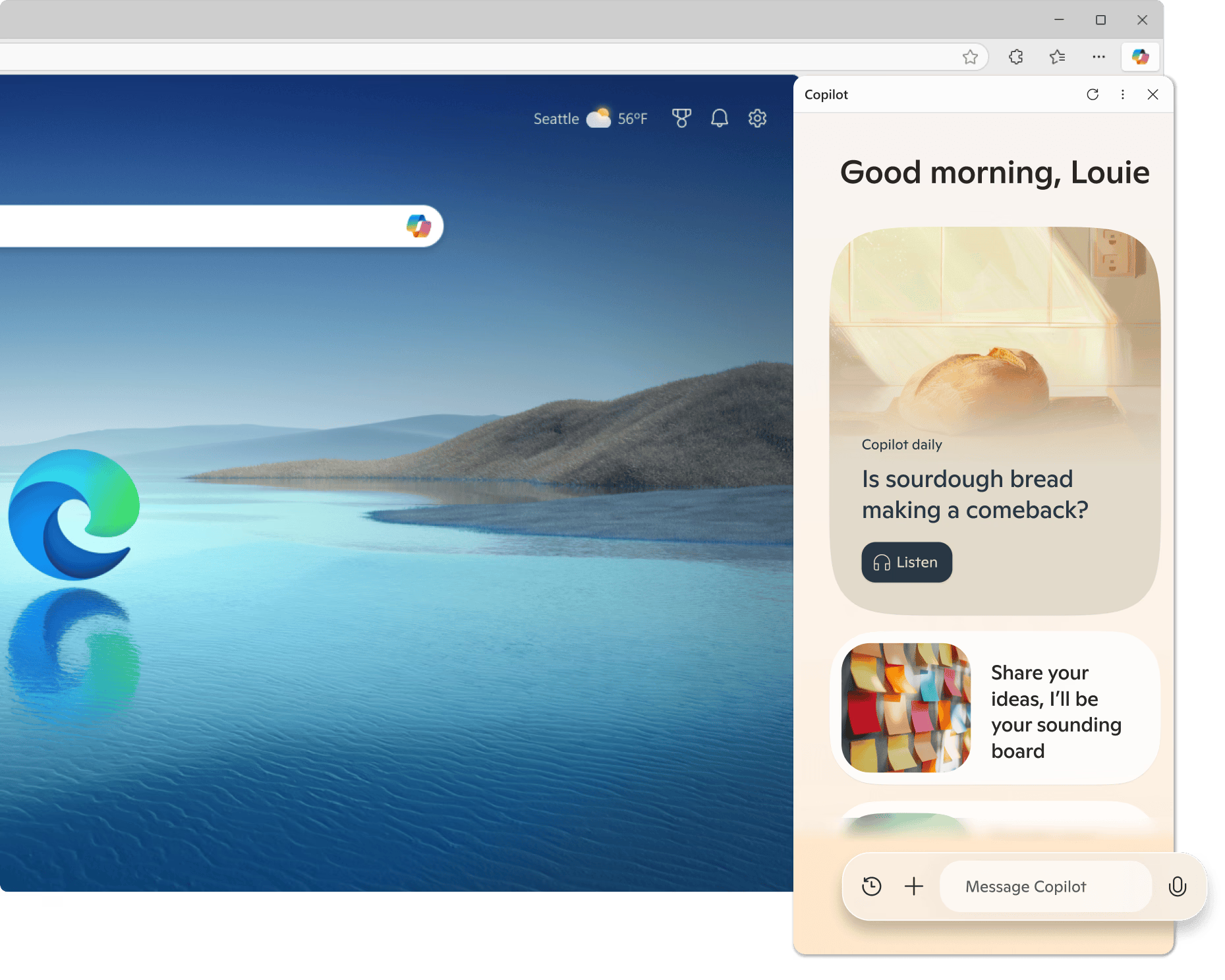
The web browser landscape is experiencing a seismic shift as Microsoft rolls out Copilot Mode in Edge. This new experimental feature merges AI with the browsing core, offering a more intuitive and efficient way to interact with the web. Instead of serving as a passive window for internet access, Edge, now with Copilot Mode, becomes an active collaborator—streamlining navigation, managing information overload, and removing friction from online workflows.
Unified Interface and Voice-Driven Commands
When Copilot Mode is enabled, users are greeted by a clean, streamlined interface, featuring a single input box for chat, search, and web navigation. Voice recognition lets you issue commands or ask questions hands-free. This refreshingly simple entry point brings context-aware assistance to every browsing session, whether it’s analyzing open tabs, comparing products, or summarizing lengthy articles.
Multi-Tab Intelligence and Contextual Automation
A standout feature is Copilot’s ability to “see” across all your open tabs. This cross-tab context means you can request Copilot to compare hotels, find the best deals, or summarize scattered information without jumping from tab to tab. With further permission, Copilot will be able to access your browsing history and help with real-world tasks—like booking reservations or managing errands—with just a prompt.
Next-Level Automation: From Recommendations to Real Actions
Copilot Mode is poised to automate more than just comparisons and summaries. Microsoft is rolling out support for actions like booking travel, making dinner reservations, and placing online orders—directly from the browser. Users will interact conversationally (“Book me a hotel room,” for instance), and Copilot will handle the rest. This evolution blurs the line between browsing and doing, signaling a new era of agentic AI experiences.
Privacy and User Control at the Forefront
Microsoft stresses that users remain firmly in control. Copilot Mode is strictly opt-in—users can enable or disable it and decide what Copilot can access. There are clear, visual indicators when Copilot is active, and Microsoft assures that only the necessary data is processed, never shared without consent. These privacy guarantees are crucial as browsers move from simple portals to powerful, context-aware platforms.
Pricing and Availability Caveats
Currently, Copilot Mode is free but only for a limited time. Microsoft has not detailed when it will charge for access or what the subscription model might look like, but hints suggest the most advanced Copilot features may become exclusive to premium plans in the future. Edge users on Windows and Mac can try Copilot Mode by opting in through browser settings.
The New Frontier of Browsing
With Edge’s Copilot Mode, Microsoft is staking its claim in the next phase of browser development—one where AI is not just a feature but the foundation. As rivals like Chrome, Perplexity’s Comet, and OpenAI’s upcoming browser intensify competition, the days of passive browsing are numbered. Microsoft’s bold bet: tomorrow’s browser will be your AI-powered assistant, capable of managing information, taking action, and protecting your privacy—with a human touch.