
Startups & Business News
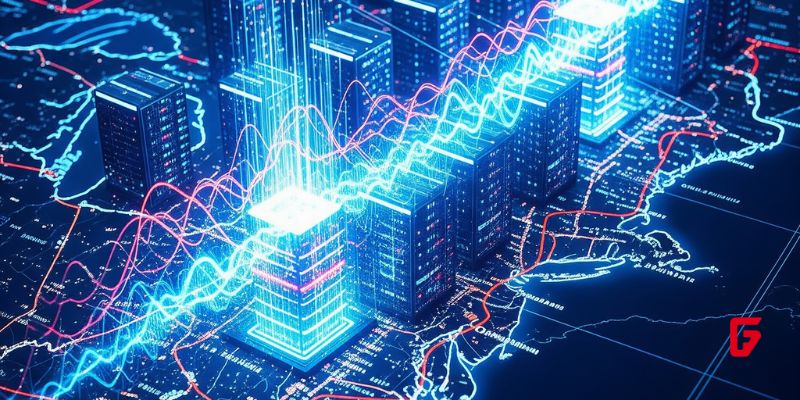
The rapid rise of artificial intelligence and data centers is pushing America’s largest power grid, PJM Interconnection, to its limits. As the backbone for electricity across 13 states and Washington, D.C., PJM is now warning of a looming energy shortfall that could reshape how the U.S. powers its digital future.
Why AI Is Straining the Grid
The explosive growth of AI applications—from generative models to real-time analytics—demands enormous computing power. This, in turn, drives a surge in electricity consumption at data centers. PJM, which serves over 65 million people, is experiencing an unprecedented spike in demand, outpacing the grid’s ability to add new generation capacity.
“The speed at which data centers are requesting power is unlike anything we’ve seen before,” says a PJM spokesperson.
Key Challenges
Soaring Power Demand: Data centers supporting AI workloads can consume as much electricity as small cities. PJM projects that demand from these facilities will double by 2030.
Aging Infrastructure: Much of the current grid was not designed for this level of stress, making upgrades both urgent and expensive.
Slow Project Approvals: New power plants and transmission lines face regulatory hurdles, delaying the grid’s ability to meet demand.
The Impact on Businesses and Communities
If left unaddressed, these challenges could lead to rolling blackouts, higher energy costs, and delays for new data center projects. For tech companies and startups, especially those relying on cloud computing and AI services, this could mean slower innovation cycles and increased operational risks.
How the Industry Is Responding
Grid Modernization: Utilities and grid operators are investing in smart grid technology and renewable energy to diversify supply and improve resilience.
Energy Efficiency: Data centers are adopting advanced cooling systems, optimized hardware, and AI-driven energy management to reduce their footprint.
Policy Advocacy: Industry groups are pushing for streamlined permitting processes and incentives for clean energy projects.
What’s Next?
The intersection of AI growth and energy infrastructure is now a defining challenge for the U.S. tech ecosystem. As demand continues to climb, collaboration between utilities, regulators, and the tech industry will be essential to avoid disruptions and ensure a sustainable digital future.
Key Takeaways:
AI and data centers are driving an unprecedented surge in electricity demand.
PJM Interconnection is warning of potential energy shortages if infrastructure upgrades don’t keep pace.
The future of AI innovation in the U.S. may hinge on how quickly the power grid can adapt.
For founders, investors, and technologists, understanding the evolving relationship between energy and AI is now mission-critical. The next wave of digital transformation will be powered not just by algorithms, but by the very grid that keeps the lights—and the servers—on.

futureTEKnow
Editorial Team
Discover the companies and startups shaping tomorrow — explore the future of technology today.
Most Popular
Trending Companies
Latest Articles
futureTEKnow is focused on identifying and promoting creators, disruptors and innovators, and serving as a vital resource for those interested in the latest advancements in technology.
© 2026 All Rights Reserved.