Big news dropped this week in the world of energy and technology: Palantir Technologies is teaming up with The Nuclear Company to launch a first-of-its-kind AI-driven platform designed to overhaul how nuclear reactors are built in the United States. The new system, called the Nuclear Operating System (NOS), aims to turn nuclear construction into a data-driven, predictable process—something the industry has struggled to achieve for decades.
Why Nuclear Construction Needs a Tech Upgrade
If you’ve followed the nuclear sector, you know that building new reactors is notoriously slow and expensive. Projects often run over budget and behind schedule, thanks to complex logistics, supply chain headaches, and a mountain of regulatory paperwork245. With demand for clean, reliable power surging—especially from data centers and AI factories—speeding up nuclear deployment is now a national priority145.
What Makes NOS Different?
NOS is built on Palantir’s Foundry platform and brings together real-time data integration, predictive analytics, and AI-powered decision-making. Here’s what sets it apart:
Schedule Certainty: NOS gives construction teams instant, context-aware guidance, factoring in everything from material availability to weather. The goal is to keep teams working, not waiting.
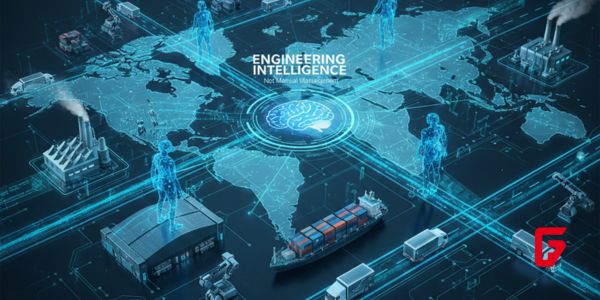
Cost Savings: The platform tracks and verifies every part in the supply chain, preventing shipment errors and material shortages. If delays are likely, NOS can trigger backup plans or reprioritize work automatically.
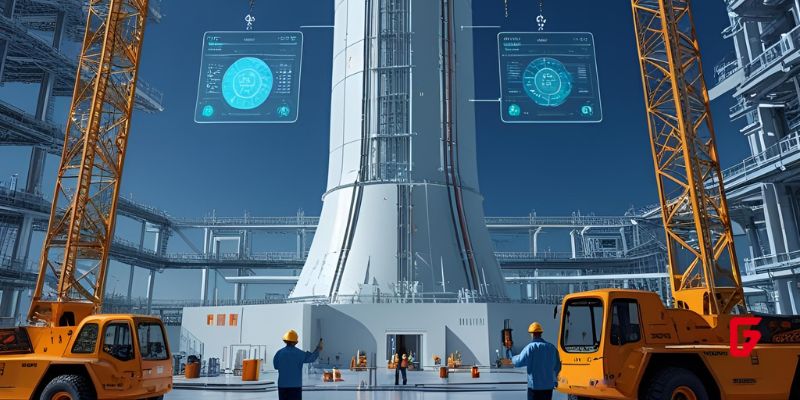
Problem Prevention: Sensors on-site feed data into digital twin models, letting managers compare actual progress to the plan. Predictive analytics flag issues before they become expensive mistakes.
Regulatory Confidence: Large language models and AI agents can review thousands of documents in seconds, streamlining compliance and reducing red tape.
A Strategic Move for U.S. Energy—and Security
This partnership comes on the heels of new executive orders calling for a massive expansion of U.S. nuclear power by 2050, with the aim of keeping pace with global competitors like China. The Nuclear Company’s CEO, Jonathan Webb, put it bluntly: “Nuclear isn’t just an energy issue — it’s a national security imperative.” The U.S. can’t afford to fall behind in this sector the way it did with manufacturing in past decades.
Palantir’s “Warp Speed” Approach
NOS is part of Palantir’s broader “Warp Speed” initiative—an effort to bring enterprise-grade AI to high-impact sectors like energy and defense. A dedicated Palantir engineering team will work side-by-side with The Nuclear Company’s staff, integrating previously siloed data across construction, supply chain, workforce, engineering, and safety operations.
With a $100 million investment over five years, this collaboration could be a turning point for nuclear construction in the U.S.—making projects faster, cheaper, and more reliable. If successful, NOS might just set a new standard for how America builds critical infrastructure in the AI era.