AI Surge Puts Pressure on U.S. Power Grid and Drives Up Energy Costs
futureTEKnow
KEY POINTS
Data centers are expected to more than double their share of U.S. electricity demand by 2035, rising from 3.5% to 8.6%.
Total U.S. electricity demand is forecast to reach record highs, climbing from 4,097 billion kWh in 2024 to 4,283 billion kWh in 2026.
AI workloads are projected to account for over a quarter of all data center power demand by 2027.
Global data center electricity consumption could more than double by 2030, driven largely by AI adoption.
The Unseen Cost of the AI Revolution
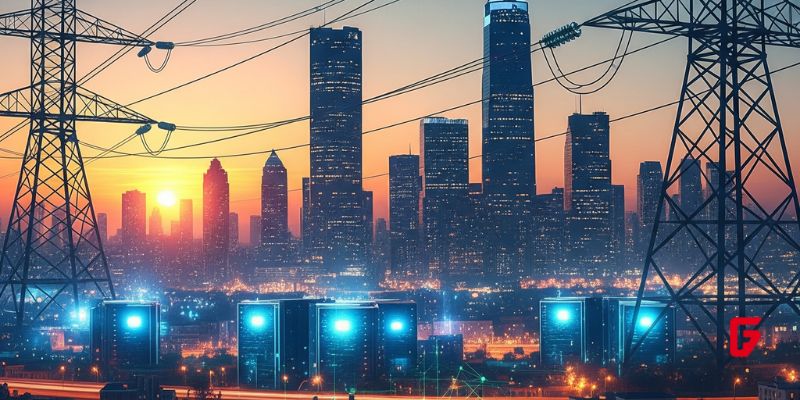
The explosive growth of artificial intelligence is no longer just a headline—it’s reshaping the very foundation of America’s energy landscape. As tech giants race to build ever-larger data centers to power chatbots, cloud computing, and generative AI, the U.S. power grid is being pushed to its limits.
Why Is the Grid Under Pressure?
Data centers now consume as much electricity as entire mid-sized cities.
The largest power grid in the U.S., operated by PJM Interconnection, serves over 65 million people and is facing unprecedented demand.
Electricity bills in affected regions are projected to jump by more than 20% this summer, driven by the energy appetite of AI infrastructure.
The AI Energy Appetite
Training large language models and running data-intensive applications require immense computational power. A single data center can demand hundreds of megawatts—comparable to the consumption of tens of thousands of homes. With dozens of new centers planned or under construction, the gap between energy supply and demand is widening.
AI workloads are extraordinarily power-hungry.
The average query to an AI model like ChatGPTuses about 10 times more electricity than a traditional web search.
By 2030, data centers could account for nearly 9% of all U.S. electricity demand, up from just 3.5% today.
Infrastructure Struggles
Much of America’s grid was built in the 1960s and 1970s, and about 70% of transmission lines are now over 25 years old. As aging infrastructure meets soaring demand, the risks of blackouts and power rationing are rising, especially in areas where data centers cluster near urban hubs.
Permitting delays and supply chain issues are slowing the rollout of new renewable and gas-fired plants.
The transition to cleaner energy sources adds complexity, as the grid must balance intermittent power from renewables with the constant needs of AI data centers.
Economic and Policy Impacts
Rising energy costs are already being felt by both businesses and households. Utilities are passing on the expense of infrastructure upgrades and emergency power purchases. Some states are pushing back, wary of shouldering the financial burden of tech-driven demand.
Federal and state regulators are fast-tracking permits and exploring incentives for energy-efficient data centers.
Without a coordinated national strategy, the grid risks becoming a bottleneck for both AI innovation and broader economic growth.
The Road Ahead
The artificial intelligence (AI) boom is a double-edged sword: it’s driving innovation, but also exposing the vulnerabilities of an outdated power grid. Balancing the needs of AI-driven industries with grid stability will require massive investment, smarter policy, and a rethinking of how electricity is generated and distributed.
The tension between technological ambition and infrastructure limitations is now front and center. The future of AI—and the reliability of our daily lives—depends on how quickly we can modernize the grid to keep up with this new era of digital transformation
futureTEKnow is focused on identifying and promoting creators, disruptors and innovators, and serving as a vital resource for those interested in the latest advancements in technology.