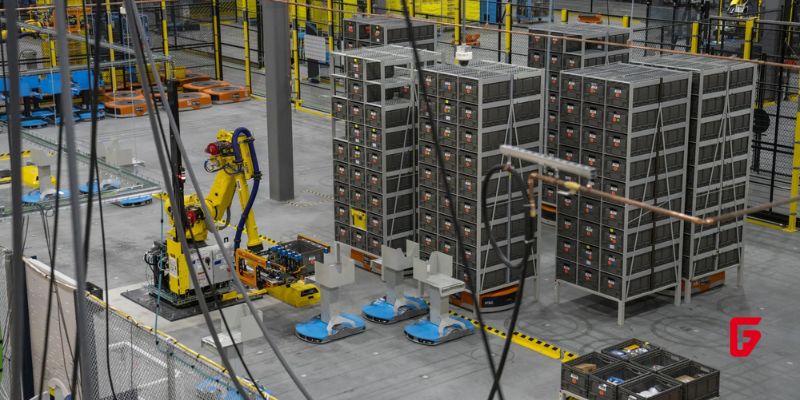
Amazon has reached a major breakthrough in warehouse automation by deploying its one millionth robot across its global fulfillment centers. This landmark robot was recently installed in Japan, marking a giant step toward the company’s vision of robotic and human labor working side-by-side to maximize efficiency.
How Amazon’s Robots Transform Warehouse Operations
The diverse fleet of robots powering Amazon’s logistics includes specialized models designed for different tasks:
Hercules moves shelving units to reduce worker walking distance and speed up order picking.
Pegasus transports packages across centers using a conveyor-top design.
Proteus navigates warehouse floors autonomously among human workers.
Vulcan uses AI and force sensors to handle items gently, minimizing repetitive strain.
Others such as Digit, Robin, Cardinal, and Sequoia perform specialized functions from sorting to heavy lifting.
Together, these robots have revolutionized how Amazon fulfills orders, increasing package handling dramatically—in some cases from hundreds to thousands shipped per employee per year—while enhancing workplace safety and productivity.
DeepFleet: The New AI Brain Behind Robot Navigation
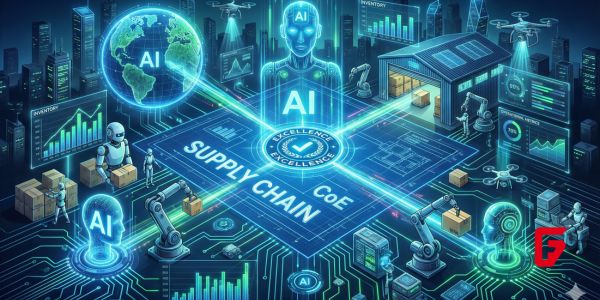
To make its robotic workforce even smarter, Amazon introduced DeepFleet, a generative AI foundation model designed to optimize robot travel paths within fulfillment centers. Acting like an intelligent traffic control system, DeepFleet coordinates thousands of robots, reducing congestion and improving travel efficiency by approximately 10%.
Built on Amazon’s comprehensive warehouse data and powered by AWS tools like SageMaker, DeepFleet dynamically learns and adapts to constantly improve fleet coordination. The benefits are faster order processing, more products stored nearer to customers, and ultimately quicker, lower-cost deliveries
The Impact on Amazon’s Workforce and Customer Experience
While robotic automation increases operational efficiency, Amazon has also focused heavily on upskilling its workforce. Over 700,000 employees have been trained for new technical and maintenance roles created by advanced robotics. This balance ensures that human expertise complements automation, creating safer, smarter warehouse environments.
The combination of robotics and AI translates directly to better service for Amazon’s customers, offering faster shipping options and improved accuracy in product availability.
What This Means for the Future of Warehousing
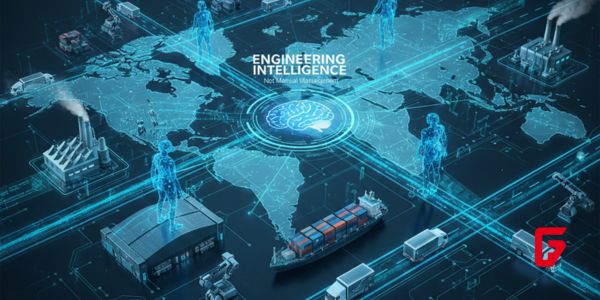
Amazon’s robotics milestone signals a shift toward increasingly automated, AI-powered supply chains that can handle growing ecommerce demand while containing costs. Their continual innovation in robot design, AI coordination, and employee empowerment demonstrates how technology integration can transform logistics.
With more robots operating globally—and intelligent systems like DeepFleet enhancing their efficiency—Amazon’s fulfillment network is setting the standard for the future of warehouse automation and delivery optimization.
This progression highlights the growing synergy between robotics and AI advancements, showcasing how generative AI models are not just theoretical tools but practical solutions that improve large-scale operations in real time.