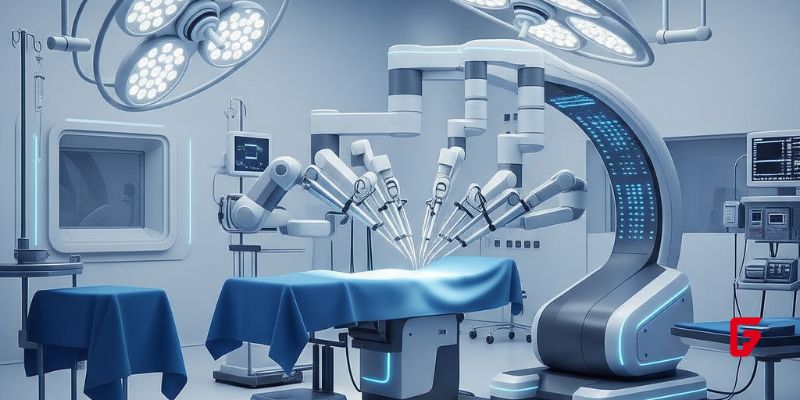
The world of robotic surgery is on the verge of a major transformation. Recent breakthroughs have brought us closer than ever to fully autonomous surgical robots, powered by advanced AI systems trained on thousands of hours of human expertise. This shift could redefine how surgeries are performed, improve patient outcomes, and reshape the role of surgeons in the operating room.
“Current surgical robotic technology has made some procedures less invasive, but complication rates haven’t really dropped from previous laparoscopic [keyhole] surgeries [by human surgeons],”
says team member Axel Krieger at Johns Hopkins University in Maryland.
How Far Have Surgical Robots Come?
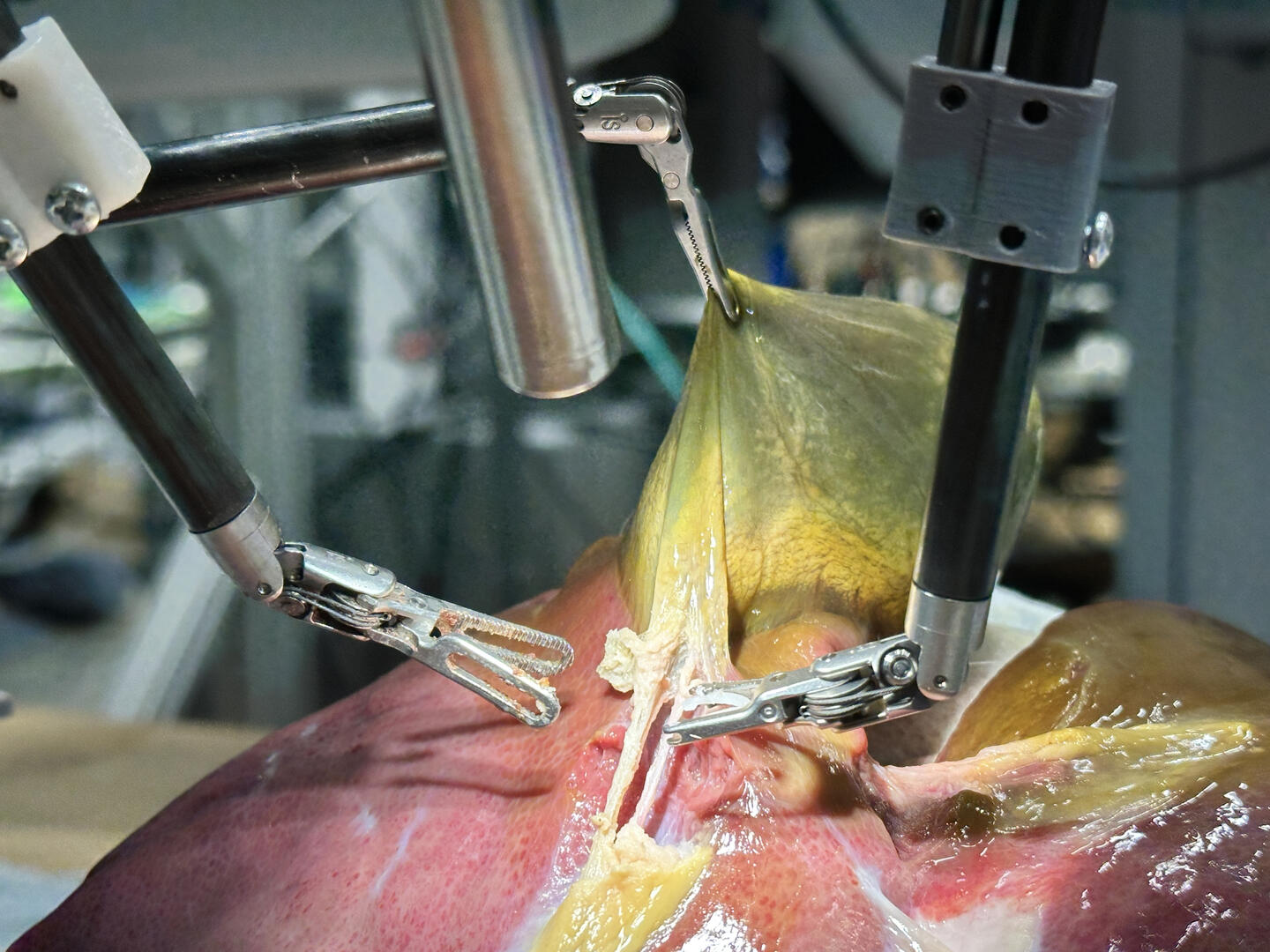
A major milestone was recently achieved when a robot, powered by a two-tier AI system, performed a critical phase of gallbladder removal surgery on a dead pig without any human help. This experiment, conducted on a pig cadaver, demonstrates the system’s ability to operate in realistic anatomical conditions, closely mirroring the complexity found in human patients. The AI was trained on hours of surgical video, analyzing thousands of expert motions, enabling the robot to independently execute intricate maneuvers and marking a significant step toward full autonomy.
What Makes This AI Different?
The secret sauce behind these cutting-edge robots lies in their multi-layered AI architecture. By learning from thousands of real-world surgical actions, the system can:
Recognize and replicate complex surgical motions
Adapt to subtle changes in tissue and anatomy
Make split-second decisions based on real-time data
This approach moves beyond simple automation, enabling robots to perform tasks that previously required the intuition and dexterity of a human surgeon.
Why Does Autonomous Surgery Matter?
Autonomous surgical robots promise several game-changing benefits:
Improved patient outcomes: AI-guided robots can reduce complications, enhance recovery, and minimize errors.
Shorter hospital stays: Precision and consistency lead to faster healing and fewer readmissions.
Reduced surgeon fatigue: Robots can handle repetitive or physically demanding tasks, allowing surgeons to focus on complex decision-making.
Addressing staff shortages: As healthcare systems face growing demand, autonomous robots could help fill critical gaps and reduce delays.
What Are the Challenges Ahead?
Despite the excitement, several hurdles remain before we see widespread adoption of fully autonomous robots in the OR:
Technical complexity: Achieving higher levels of autonomy requires advanced perception, real-time adaptation, and seamless integration with hospital systems.
Regulatory oversight: New standards are needed to evaluate safety, efficacy, and ethical considerations as robots take on more responsibility.
Cost and accessibility: Cutting-edge systems are expensive, and ensuring equitable access across healthcare settings is a major concern.
Ethical questions: Patient safety, data privacy, and the risk of bias in AI algorithms must be addressed to build trust in autonomous systems.
What’s Next for Surgeons and Patients?
For now, human expertise remains at the heart of surgical care. Even as robots become more capable, they are designed to augment—not replace—surgeons. The near future will likely see a hybrid approach, with AI-powered robots handling specific tasks under the watchful eye of skilled professionals.
As research continues and technology matures, the promise of autonomous surgery is becoming more tangible. The coming years will be pivotal in determining how these innovations reshape the operating room and, ultimately, patient care.