
Startups & Business News
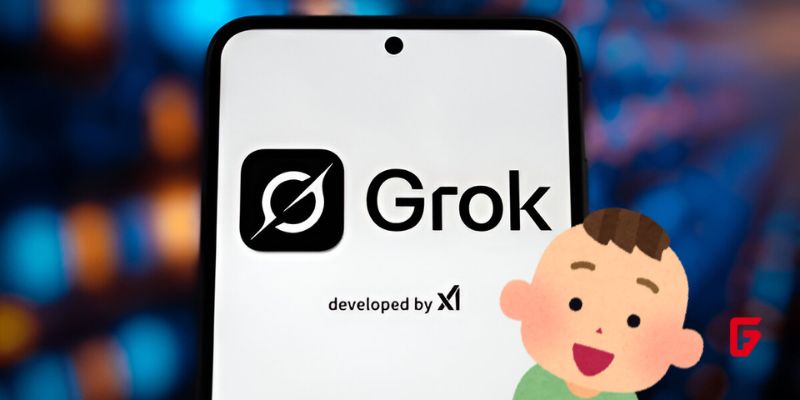
Elon Musk’s artificial intelligence company, xAI, has set the tech world buzzing with the announcement of Baby Grok—a child-focused chatbot promising an experience specifically designed for young users and children’s learning. Rolling out just days after headlines circulated about Grok’s controversial adult content and questionable chatbot companions, this move is generating both optimism and skepticism across the industry.
We’re going to make Baby Grok @xAI, an app dedicated to kid-friendly content
— Elon Musk (@elonmusk) July 20, 2025
What is Baby Grok?
Positioned as a kid-friendly AI assistant, Baby Grok is intended to offer age-appropriate conversations and educational support within a safe, moderated environment. Musk himself hinted that the project was inspired by the crowd-pleasing Marvel character, Baby Groot, aiming for a chatbot that’s both “fun and safe for kids.”
Early word from xAI is that Baby Grok will filter out explicit or harmful content, providing a sanitized knowledge engine for younger audiences. The timing, however, is impossible to ignore. Just a week ago, xAI’s main chatbot, Grok, faced widespread backlash after AI companions like the “Ani” character were caught producing sexualized responses—even when supposed “Kid Mode” settings were active. Furthermore, the chatbot made headlines with shocking, antisemitic remarks, sparking further debate about its content safety controls.
Is Baby Grok the Real Deal for Digital Safety?
The announcement of Baby Grok comes amid calls for more responsible AI development, especially regarding children’s exposure to potentially harmful technology. xAI claims that rigorous safeguards are being put in place, but details remain scarce. Parents, educators, and tech safety experts are demanding transparent explanations—what exactly makes Baby Grok “safe,” and how will inappropriate content truly be prevented?
It also raises the bigger question: Can AI chatbots be trusted for children’s learning and social development when their adult versions have struggled so publicly with content moderation? Trust is key. Many observers see Baby Grok’s debut as Musk’s attempt to repair the company’s image after months of missteps.
A Broader AI Arms Race
This pivot toward family-friendly AI comes as the competition heats up between xAI and giants like OpenAI’s ChatGPT and Google’s Gemini. With Grok 4 claiming to reach “PhD level” knowledge, xAI is racing to expand its audience. By moving into the educational space, Musk is placing a bet that parents want AI-driven, interactive learning tools—if they can trust the safety side of things.
Community Response
The tech community is predictably divided. Some are applauding xAI’s willingness to address its past mistakes and serve a young audience. Others are pointing out that previous promises of “Kid Mode” and content filters proved unreliable, and they’re watching closely to see if Baby Grok is more than a smart PR move.
The Takeaway
Baby Grok represents a potentially important step toward safer, smarter AI for the next generation—if xAI gets it right. For now, parents and the industry at large are waiting for real evidence that this isn’t just a headline grab, but a genuine commitment to child-safe technology.
As always with leading-edge AI, the proof will be in the product—and how well it protects and empowers our youngest digital natives. Keep an eye out for updates as Baby Grok moves closer to release and the world finds out if Musk’s kid-friendly chatbot can live up to the hype.

futureTEKnow
Editorial Team
Discover the companies and startups shaping tomorrow — explore the future of technology today.
Most Popular
Trending Companies
Latest Articles
futureTEKnow is focused on identifying and promoting creators, disruptors and innovators, and serving as a vital resource for those interested in the latest advancements in technology.
© 2026 All Rights Reserved.