






















London, England
2022
Architecture, Architectural Visualization, Interior Design, Construction, Real Estate Development, Landscape Architecture, Design & Engineering
Gendo is an artificial intelligence company developing generative AI software for architectural visualization and design. Its platform allows architects and designers to convert sketches, 3D models, and text descriptions into photorealistic images of buildings, interiors, and landscapes. Gendo combines AI image generation, visual editing, and collaborative design tools in a shared workspace. The company operates within the emerging field of AI-assisted architecture, where generative models help design professionals explore concepts, visualize materials, and communicate architectural ideas before construction.
Gendo provides an AI-powered design platform that helps architects and design teams create, modify, and present architectural visualizations without relying entirely on traditional rendering workflows.
Users can upload sketches, screenshots, or exports from design software such as SketchUp, Rhino, and Revit. Gendo converts these inputs into photorealistic architectural renders, adding realistic materials, lighting, landscaping, and environmental details.
The platform also allows designers to change building materials, explore architectural styles, modify specific image regions, and generate alternative design concepts through natural language instructions.
Its collaborative design canvas brings images, annotations, design variations, and project discussions into one workspace. Teams can compare visual options, collect feedback, and prepare presentation materials for clients or planning applications.
Gendo supports architectural concept development, interior visualization, material selection, and design communication without replacing the underlying CAD or building information modeling software.
Gendo uses generative AI and AI-powered image processing to create and modify architectural visualizations. Its platform works with existing design inputs, including hand-drawn sketches, 3D model exports, CAD screenshots, and text descriptions.
The technology converts these inputs into realistic architectural images while attempting to preserve the geometry, proportions, and overall design intent of the original concept. This is particularly important in architecture, where visual changes must remain consistent with the proposed building or interior layout.
Gendo provides specialized image-generation tools for architectural rendering, material replacement, style transfer, scene enhancement, and image upscaling. Designers can change facade finishes, adjust lighting, add landscaping, or introduce people and furniture without rebuilding the entire scene.
The platform also includes a natural language AI assistant that interprets design instructions and selects the appropriate editing tools. For example, a designer can request a different exterior material or nighttime lighting, and the software applies the modification to the existing visualization.
Its collaborative AI canvas allows multiple team members to work within the same project environment, compare image variations, and document design decisions. Additional capabilities include parallel rendering, image resolution enhancement, and AI-generated video sequences from architectural renders.
Gendo integrates multiple AI models behind its architecture-specific tools, allowing designers to use image generation and editing capabilities without managing individual models or complex AI workflows.
Gendo illustrates how generative AI is becoming part of professional architectural design workflows, rather than serving only as a tool for producing standalone images.
Architectural visualization traditionally requires specialized rendering software, detailed scene preparation, and time-consuming adjustments. Gendo applies AI to these processes, allowing designers to generate and revise visual concepts more quickly while maintaining a connection to their original designs.
Its emphasis on collaborative visual decision-making is particularly relevant because architectural projects involve repeated feedback from clients, designers, engineers, and planning authorities.
By combining rendering, editing, and team collaboration, Gendo demonstrates how AI software can support the early stages of building design, material exploration, and project communication. The technology may help smaller architectural practices produce visualizations without maintaining dedicated rendering teams.
Gendo Canvas is the company’s primary AI-powered collaborative design workspace for architectural visualization. It allows teams to upload sketches, CAD exports, and existing renders, generate photorealistic images, and compare design variations within a shared project environment. Users can organize visual references, add annotations, track changes, and prepare client presentations without moving between multiple design tools.
The Gendo AI Assistant provides natural language editing and design assistance within the Canvas. Users describe changes such as replacing facade materials, adjusting lighting, adding landscaping, or modifying the appearance of a building. The assistant interprets the instructions and uses the platform’s specialized rendering and editing tools to apply them.
Gendo provides specialized tools for sketch-to-image rendering, material editing, style transfer, and image enhancement. Designers can generate realistic images from architectural sketches, test different materials, populate scenes with people or furniture, and upscale images to higher resolutions. The platform also supports parallel rendering to explore multiple design alternatives.
Gendo includes AI video generation capabilities that convert architectural renders into short animated sequences. Users can create simulated camera movements, building walkthroughs, orbit views, and cinematic presentations. These tools help communicate architectural concepts beyond static images.
Gendo’s technology supports architectural design and visualization, allowing architects to turn preliminary sketches, building models, and CAD exports into realistic images for concept reviews and client presentations.
In interior design, professionals can visualize room layouts, test materials, compare finishes, and explore lighting conditions before making design decisions.
Real estate developers and construction project teams can use architectural renderings to communicate proposed buildings, evaluate design alternatives, and prepare visual materials for planning discussions.
Landscape architects can generate visualizations of outdoor environments, including planting arrangements, pathways, and surrounding structures.
Gendo also supports architectural competitions, design education, and collaborative studio workflows where multiple participants need to review and refine visual concepts.
Yes. Gendo accepts image exports and screenshots from SketchUp, Rhino, Revit, and other CAD or 3D modeling software. It uses these inputs to generate photorealistic architectural visualizations without requiring users to rebuild their models inside the platform.
Gendo provides geometry-preserving editing capabilities intended to maintain the proportions and structure of the original design. Users can modify materials, lighting, and environmental details while retaining the building’s overall form. Generated results should still be checked against the source model for accuracy.
Yes. Gendo Canvas supports shared project workspaces where team members can generate images, compare design variations, add comments, and document decisions. This allows architects and designers to collaborate on visual development without relying entirely on separate files and communication tools.
Yes. Gendo supports AI-generated video sequences from architectural images. Users can create simulated walkthroughs, camera movements around buildings, and cinematic presentations to illustrate design concepts. These are generated visual sequences rather than verified simulations of a building’s physical dimensions.
Gendo states that designs, prompts, and generated content on its paid Studio and Enterprise plans are not used to train AI models. These plans also include commercial-use rights and privacy controls intended for professional architectural projects.
Have an update, correction, or additional information about this company? Help us keep the futureTEKnow company database up to date by submitting the latest company information.

OpenAI’s Astra for Law combines GPT-6 Astra with specialized legal search, integrations, and governance controls. The launch shows how frontier AI is moving deeper into professional legal workflows.

AI projects often stall because business data isn’t consistent or trustworthy. Here’s how to identify data gaps before they become an AI roadblock.
EVAS Intelligence has raised 1.5 billion yuan to mass‑produce its RISC-V Epoch AI chips, deepen its full‑stack platform, and accelerate global expansion, signaling rising investor confidence in alternative AI compute.
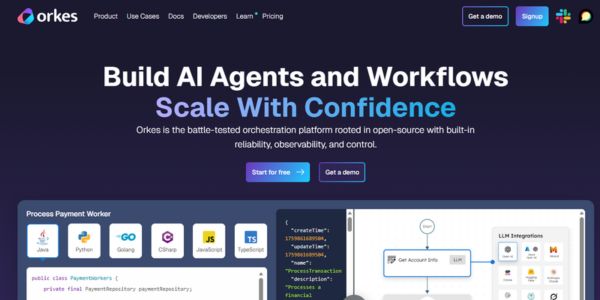
Orkes has raised 60 million dollars to turn its Netflix‑born workflow engine into a control plane for enterprise AI agents. The piece unpacks how its orchestration platform works, why investors are backing it now, and what this means for companies trying to move AI from pilots into production.

Paris-based Sillage has raised €1.7 million to launch an AI signal engine that helps enterprise sales teams follow the right buying signals, prioritize high-intent accounts, and improve pipeline efficiency without replacing human-led conversations.
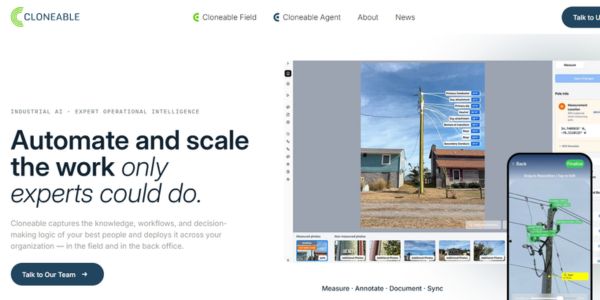
Cloneable is launching an agentic AI platform for infrastructure operations that captures institutional knowledge from retiring experts and turns it into scalable agents, targeting energy, utilities, and other asset-heavy sectors. The $4.6M seed-backed startup aims to connect field data capture with back-office execution so founders and operators can modernize infrastructure faster and with fewer bottlenecks.
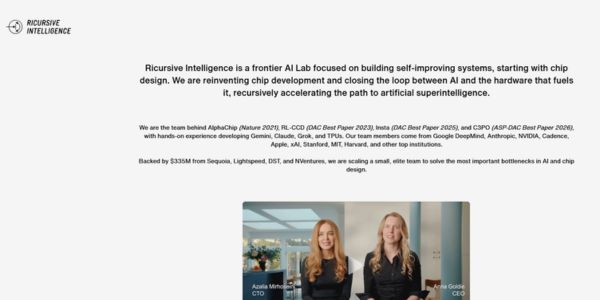
Excerpt: Ricursive Superintelligence has raised at least $500 million to build self‑improving AI, with GV and Nvidia backing a four‑month‑old lab at a $4 billion valuation. The deal crystallizes how quickly capital, talent and regulatory scrutiny are converging around autonomous AI research—and what that means for builders trying to compete outside the frontier club.

Brazilian startup BOND has raised US$2M to automate accounting for SMEs in Brazil’s complex tax system. Combining AI with human accountants, it targets a fragmented market of manual processes, aiming to turn back-office compliance into a faster, more strategic function for founders and operators.

Loop just raised a $95M Series C to expand its AI-native supply chain platform, turning messy logistics data into early disruption warnings and better financial outcomes for global operators and shippers.

Linkedin X-twitter-square Facebook-square Startups & Business News AI agents are finally moving from demos to the day-to-day stack of real
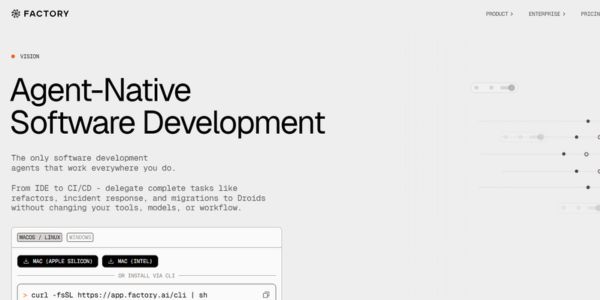
Factory has raised a $150M Series C at a $1.5B valuation to scale its autonomous “Droids” platform, betting that enterprises will standardize software engineering around agent‑native missions, governance and cost‑optimized AI infrastructure.

Solidroad has raised $25 million to bring AI-native quality assurance to every human and AI-powered customer interaction. The new funding will accelerate product development and expansion for support-heavy businesses leaning into automation.
futureTEKnow is focused on identifying and promoting creators, disruptors and innovators, and serving as a vital resource for those interested in the latest advancements in technology.
© 2026 All Rights Reserved.