




















San Francisco, California, USA
2023
Engineering, Aerospace, Automotive, Robotics, Defense, Hardware Development, Manufacturing
Flow Engineering is an AI software company developing requirements management and systems engineering tools for organizations building complex hardware. Its platform combines engineering data management, automation, and AI agents to connect product requirements with design, simulation, software development, and testing activities. Flow operates within the emerging field of AI-assisted engineering, where intelligent software helps technical teams coordinate multidisciplinary development projects, track design changes, and maintain consistency throughout the hardware development lifecycle.
Flow Engineering provides a software platform that helps engineering teams manage the technical requirements involved in developing complex physical products, including spacecraft, electric vehicles, autonomous systems, and industrial equipment.
Its platform connects engineering requirements, system architectures, and verification activities within a shared environment. Engineers can define product specifications, assign requirements to components, track design decisions, and link testing results to the requirements they validate.
Flow also uses AI agents to automate engineering coordination tasks, including identifying conflicting requirements, analyzing the effects of design changes, and checking whether testing activities provide sufficient verification coverage.
The software integrates with existing engineering tools, allowing mechanical, electrical, and software teams to work with connected technical information without replacing their established development environments.
Flow Engineering combines AI agents, model-based systems engineering (MBSE), and requirements management software to support complex hardware development.
A central component is its Systems Graph, a connected data structure that links engineering requirements, system components, interfaces, design information, and verification activities. This structure allows teams to understand how individual engineering decisions affect other parts of a product.
The platform uses AI agents to examine these relationships and perform tasks such as change impact analysis, requirements verification, and test coverage assessment. When a requirement or design element changes, agents can identify affected dependencies and prepare corresponding updates for engineering review.
Flow also supports configurable data models, enabling organizations to represent their own engineering structures, technical parameters, and development processes.
Its integration capabilities connect information from computer-aided design (CAD), simulation software, code repositories, and testing systems. These connections help maintain consistency between engineering documentation and actual development activities.
The platform also includes branching and merging capabilities, allowing teams to evaluate proposed engineering changes separately before incorporating approved modifications into the main project baseline.
Rather than replacing engineers’ technical judgment, Flow uses automation to reduce the manual coordination required to manage complex engineering programs.
Developing complex hardware requires coordination between multiple engineering disciplines, often involving thousands of requirements, design decisions, and testing activities.
Traditional engineering processes can become difficult to maintain when technical information is distributed across documents, spreadsheets, CAD systems, and specialized software.
Flow Engineering addresses this problem by applying AI-driven automation to systems engineering, helping organizations maintain connections between technical requirements and the work needed to satisfy them.
Its approach reflects a broader shift toward agentic AI in engineering workflows, where software agents assist with technical analysis, verification, and change management.
This is particularly relevant to aerospace, robotics, autonomous vehicles, and other industries where hardware complexity, safety requirements, and engineering traceability make coordinated development essential.
The Flow Platform is a requirements management and systems engineering environment designed for complex hardware development. It enables teams to organize technical specifications, model system architectures, manage component relationships, and connect requirements with verification activities.
The platform supports configurable engineering data structures, collaboration across disciplines, change histories, and integrations with external development tools.
Flow Agents are AI-powered systems engineering assistants that automate activities associated with managing technical information and engineering changes.
These agents can examine requirements, identify inconsistencies, evaluate design modifications, and assess verification coverage. They can also prepare updates across connected engineering artifacts while retaining human approval over changes to the established project baseline.
The Systems Graph is the platform’s connected engineering data model, linking requirements, systems, interfaces, designs, and tests.
It provides visibility into dependencies between engineering elements, helping teams understand how a modification to one component or requirement may affect other parts of a development program.
Flow’s branching and merging capabilities allow engineers to evaluate proposed design changes without immediately modifying the approved baseline.
Teams can compare revisions, examine technical dependencies, review potential impacts, and incorporate approved changes while preserving the project’s development history.
Flow Engineering’s software supports organizations developing complex hardware systems across several industries.
In aerospace and space technology, engineering teams can use the platform to coordinate spacecraft requirements, propulsion systems, interfaces, and verification activities. Companies such as Astranis and Stoke Space are identified among its users.
In automotive engineering, Flow supports coordination between vehicle systems, including batteries, drivetrains, controls, and structural components. Rivian uses the platform across its vehicle development programs.
Robotics and autonomous systems companies can use Flow to manage requirements, component dependencies, and testing activities involving mechanical, electrical, and software systems.
Additional applications include energy infrastructure, industrial equipment development, and defense engineering programs where technical traceability and regulatory requirements are important.
Flow Engineering uses AI agents to examine technical requirements, identify dependencies, analyze proposed engineering changes, and check verification coverage. These agents operate within connected engineering workflows and can prepare modifications for human review.
The Systems Graph is a connected model of engineering information that links requirements, components, interfaces, design artifacts, and tests. It helps engineers trace relationships between technical elements and understand how changes affect the broader system.
No. Flow is designed to work alongside existing engineering tools rather than replace them. Its integrations connect information from CAD, simulation, software development, and testing environments to maintain consistency across engineering activities.
Yes. Flow offers deployment and security options for regulated engineering environments, including GovCloud and self-hosted configurations. It supports engineering traceability, audit histories, and controls relevant to ITAR, CUI, and other compliance requirements.
Flow supports branching and merging, allowing teams to evaluate proposed changes separately from the approved engineering baseline. Its AI agents can analyze affected dependencies and prepare updates, while engineers retain responsibility for reviewing and approving changes.
Have an update, correction, or additional information about this company? Help us keep the futureTEKnow company database up to date by submitting the latest company information.

OpenAI’s Astra for Law combines GPT-6 Astra with specialized legal search, integrations, and governance controls. The launch shows how frontier AI is moving deeper into professional legal workflows.

AI projects often stall because business data isn’t consistent or trustworthy. Here’s how to identify data gaps before they become an AI roadblock.
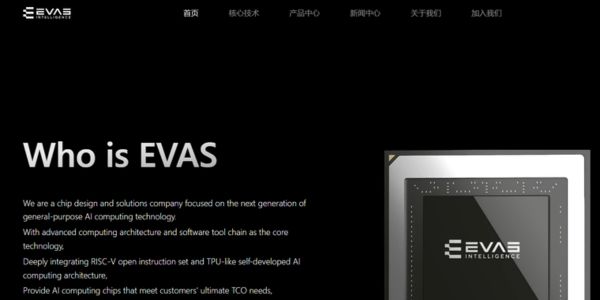
EVAS Intelligence has raised 1.5 billion yuan to mass‑produce its RISC-V Epoch AI chips, deepen its full‑stack platform, and accelerate global expansion, signaling rising investor confidence in alternative AI compute.
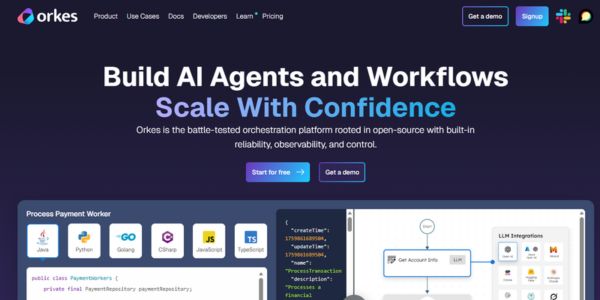
Orkes has raised 60 million dollars to turn its Netflix‑born workflow engine into a control plane for enterprise AI agents. The piece unpacks how its orchestration platform works, why investors are backing it now, and what this means for companies trying to move AI from pilots into production.

Paris-based Sillage has raised €1.7 million to launch an AI signal engine that helps enterprise sales teams follow the right buying signals, prioritize high-intent accounts, and improve pipeline efficiency without replacing human-led conversations.
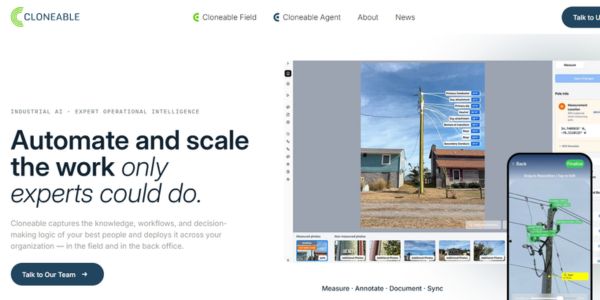
Cloneable is launching an agentic AI platform for infrastructure operations that captures institutional knowledge from retiring experts and turns it into scalable agents, targeting energy, utilities, and other asset-heavy sectors. The $4.6M seed-backed startup aims to connect field data capture with back-office execution so founders and operators can modernize infrastructure faster and with fewer bottlenecks.

Excerpt: Ricursive Superintelligence has raised at least $500 million to build self‑improving AI, with GV and Nvidia backing a four‑month‑old lab at a $4 billion valuation. The deal crystallizes how quickly capital, talent and regulatory scrutiny are converging around autonomous AI research—and what that means for builders trying to compete outside the frontier club.

Brazilian startup BOND has raised US$2M to automate accounting for SMEs in Brazil’s complex tax system. Combining AI with human accountants, it targets a fragmented market of manual processes, aiming to turn back-office compliance into a faster, more strategic function for founders and operators.
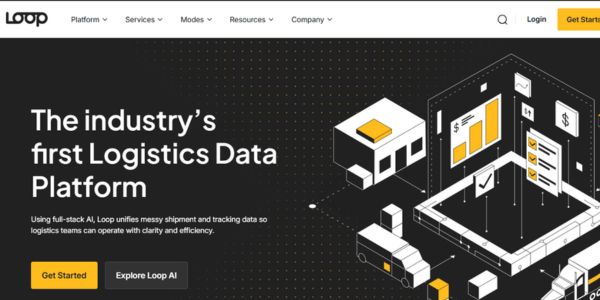
Loop just raised a $95M Series C to expand its AI-native supply chain platform, turning messy logistics data into early disruption warnings and better financial outcomes for global operators and shippers.
Linkedin X-twitter-square Facebook-square Startups & Business News AI agents are finally moving from demos to the day-to-day stack of real
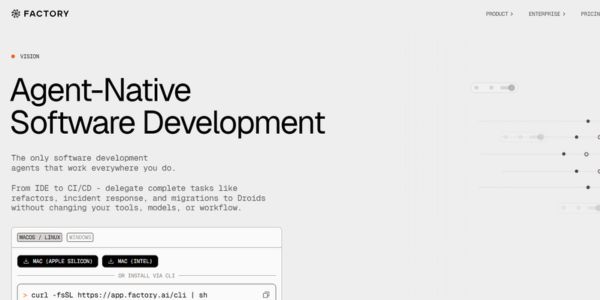
Factory has raised a $150M Series C at a $1.5B valuation to scale its autonomous “Droids” platform, betting that enterprises will standardize software engineering around agent‑native missions, governance and cost‑optimized AI infrastructure.

Solidroad has raised $25 million to bring AI-native quality assurance to every human and AI-powered customer interaction. The new funding will accelerate product development and expansion for support-heavy businesses leaning into automation.
futureTEKnow is focused on identifying and promoting creators, disruptors and innovators, and serving as a vital resource for those interested in the latest advancements in technology.
© 2026 All Rights Reserved.