






























San Francisco, California, USA
2019
Transportation Technology, Smart Cities, Public Transportation, Traffic Management, Government Technology, Computer Vision
Hayden AI is an artificial intelligence company developing computer vision and edge AI technology for public transportation and urban traffic management. Its systems use vehicle-mounted cameras and machine learning to identify parking and moving violations that interfere with transit operations and road safety.
The company’s mobile perception platform is designed for installation on transit buses and other municipal vehicles. It analyzes road conditions while vehicles are moving, allowing transportation agencies to monitor restricted traffic areas and collect evidence of potential violations.
Hayden AI develops automated traffic enforcement systems that detect vehicles obstructing bus lanes, bus stops, bike lanes, and other designated transportation areas. Its technology combines onboard cameras, computer vision algorithms, and location data to identify and document potential violations.
The platform processes visual information directly on moving vehicles and transfers relevant evidence to a centralized data portal. Authorized transportation agencies can review detected incidents, manage enforcement rules, and integrate the information with existing citation processing systems.
Its technology is deployed by public transportation agencies in major metropolitan areas, including New York City, Washington, D.C., Philadelphia, Chicago, and Boston.
Hayden AI’s technology combines computer vision, machine learning, and edge computing to analyze transportation environments from moving vehicles. Its camera systems capture roadway imagery, while onboard AI models identify vehicles and conditions associated with potential traffic violations.
The company’s AI Perception Engine processes visual information locally, allowing potential violations to be detected and documented without continuously transferring all recorded footage to remote servers. Relevant evidence is uploaded to a centralized platform for review and enforcement processing.
The platform also uses location information to associate detected incidents with specific road segments and restricted traffic zones. Its data portal integrates with agency workflows and provides tools for reviewing incidents, managing enforcement configurations, and analyzing transportation data.
Illegal parking and unauthorized vehicle activity in designated transit areas can disrupt public transportation, delay commuters, and create safety hazards. Traditional enforcement methods depend on personnel being present at specific locations, making continuous monitoring across extensive transportation networks difficult.
Hayden AI applies mobile computer vision technology to this problem by enabling transit vehicles to detect potential violations during regular operations. This approach extends monitoring coverage along transit routes without requiring fixed enforcement cameras at every location.
The technology also addresses accessibility challenges caused by vehicles blocking bus stops and passenger boarding areas. Its deployment illustrates how edge AI and automated visual analysis are being integrated into municipal infrastructure to support transportation management and public safety.
Hayden AI’s core platform combines vehicle-mounted cameras, computer vision, and onboard AI processing to detect traffic violations in urban environments. The system captures visual information, identifies relevant road activity, and generates evidence for review by authorized agencies.
Automated Bus Lane Enforcement uses AI-powered cameras installed on transit buses to detect unauthorized parking and driving in designated bus lanes. The system documents potential violations while buses operate along their regular routes.
This solution detects vehicles illegally parked at bus stops and designated boarding areas. It helps transportation agencies identify obstructions that interfere with passenger boarding, wheelchair ramp deployment, and transit schedules.
Hayden AI’s bike lane enforcement technology identifies vehicles parked in restricted cycling lanes. Its mobile camera systems document potential violations to support municipal enforcement programs and improve cyclist safety.
The double parking enforcement solution detects vehicles stopped illegally in active travel lanes. It provides municipalities with evidence of obstructions that can disrupt traffic flow and delay public transportation.
This platform identifies vehicles blocking tram tracks, streetcar stops, and designated rail transit areas. It supports automated monitoring of violations that interfere with tram operations and passenger access.
The company’s centralized data portal allows authorized agencies to review potential traffic violations, manage enforcement rules, and access aggregated transportation data. It also supports integration with existing citation processing systems.
Public Transit Enforcement: Detecting unauthorized vehicles in bus lanes and transit stops to support reliable bus operations.
Traffic Violation Detection: Using computer vision to identify illegal parking, double parking, and restricted-lane violations.
Smart City Infrastructure: Providing municipalities with automated monitoring technology for transportation networks and public roadways.
Cyclist Safety: Identifying vehicles obstructing bike lanes and generating evidence for enforcement programs.
Transit Accessibility: Monitoring bus stop obstructions that prevent passengers with disabilities from boarding and exiting safely.
Transportation Data Analytics: Providing traffic violation records and aggregated operational information to support transit planning and enforcement management.
Hayden AI is an artificial intelligence company developing computer vision and edge computing technology for automated traffic enforcement, public transportation, and smart city infrastructure.
Hayden AI uses vehicle-mounted cameras and machine learning algorithms to detect potential traffic and parking violations. Its onboard processing system analyzes roadway imagery and transfers relevant evidence to a data portal for review by authorized agencies.
Automated Bus Lane Enforcement is a computer vision system that detects vehicles illegally parked or driving in designated bus lanes. The technology operates from cameras installed on transit buses and documents potential violations along their routes.
Yes. Hayden AI uses edge computing to process camera imagery directly on moving vehicles. This allows the system to identify potential traffic violations locally and transmit relevant evidence for further review.
Hayden AI technology is deployed by transportation agencies in cities including New York, Washington, D.C., Philadelphia, Los Angeles, Chicago, and Boston. Its systems support automated monitoring of bus lanes, bus stops, and other restricted transportation areas.
Hayden AI develops systems that detect unauthorized parking and driving in bus lanes, vehicles blocking bus stops and bike lanes, double parking, and violations affecting tram and streetcar operations.
Hayden AI was founded in 2019 and is headquartered in San Francisco, California.
Have an update, correction, or additional information about this company? Help us keep the futureTEKnow company database up to date by submitting the latest company information.

OpenAI’s Astra for Law combines GPT-6 Astra with specialized legal search, integrations, and governance controls. The launch shows how frontier AI is moving deeper into professional legal workflows.

AI projects often stall because business data isn’t consistent or trustworthy. Here’s how to identify data gaps before they become an AI roadblock.
EVAS Intelligence has raised 1.5 billion yuan to mass‑produce its RISC-V Epoch AI chips, deepen its full‑stack platform, and accelerate global expansion, signaling rising investor confidence in alternative AI compute.
Orkes has raised 60 million dollars to turn its Netflix‑born workflow engine into a control plane for enterprise AI agents. The piece unpacks how its orchestration platform works, why investors are backing it now, and what this means for companies trying to move AI from pilots into production.

Paris-based Sillage has raised €1.7 million to launch an AI signal engine that helps enterprise sales teams follow the right buying signals, prioritize high-intent accounts, and improve pipeline efficiency without replacing human-led conversations.
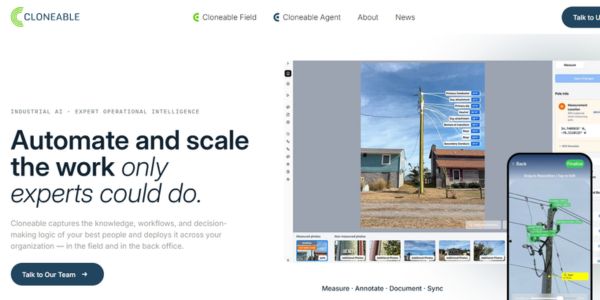
Cloneable is launching an agentic AI platform for infrastructure operations that captures institutional knowledge from retiring experts and turns it into scalable agents, targeting energy, utilities, and other asset-heavy sectors. The $4.6M seed-backed startup aims to connect field data capture with back-office execution so founders and operators can modernize infrastructure faster and with fewer bottlenecks.
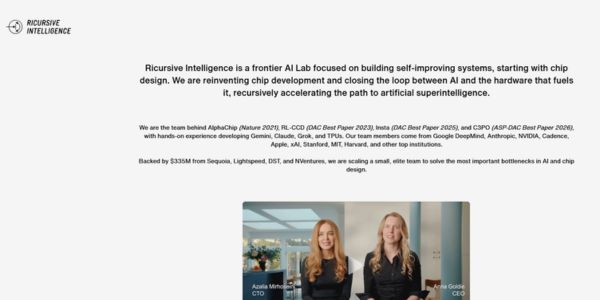
Excerpt: Ricursive Superintelligence has raised at least $500 million to build self‑improving AI, with GV and Nvidia backing a four‑month‑old lab at a $4 billion valuation. The deal crystallizes how quickly capital, talent and regulatory scrutiny are converging around autonomous AI research—and what that means for builders trying to compete outside the frontier club.

Brazilian startup BOND has raised US$2M to automate accounting for SMEs in Brazil’s complex tax system. Combining AI with human accountants, it targets a fragmented market of manual processes, aiming to turn back-office compliance into a faster, more strategic function for founders and operators.
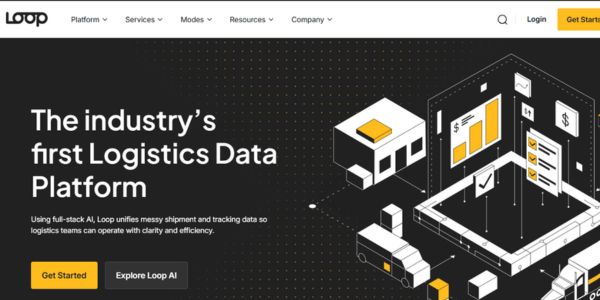
Loop just raised a $95M Series C to expand its AI-native supply chain platform, turning messy logistics data into early disruption warnings and better financial outcomes for global operators and shippers.
Linkedin X-twitter-square Facebook-square Startups & Business News AI agents are finally moving from demos to the day-to-day stack of real
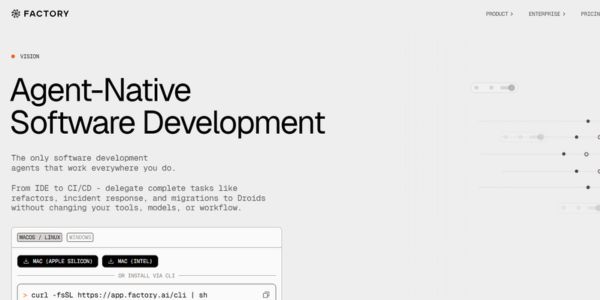
Factory has raised a $150M Series C at a $1.5B valuation to scale its autonomous “Droids” platform, betting that enterprises will standardize software engineering around agent‑native missions, governance and cost‑optimized AI infrastructure.

Solidroad has raised $25 million to bring AI-native quality assurance to every human and AI-powered customer interaction. The new funding will accelerate product development and expansion for support-heavy businesses leaning into automation.
futureTEKnow is focused on identifying and promoting creators, disruptors and innovators, and serving as a vital resource for those interested in the latest advancements in technology.
© 2026 All Rights Reserved.