






















Tallinn, Estonia
2018
Beauty Technology, Skincare Technology, Cosmetics, Retail Technology, Computer Vision, Personal Care
Haut.AI is an artificial intelligence company developing computer vision and generative AI technology for skincare analysis. Its platform examines facial images to measure skin characteristics and connects those assessments with personalized product recommendations and digital skincare experiences.
The company provides business-to-business software for beauty brands, cosmetics retailers, and skincare researchers. Its technology combines AI skin assessment, virtual product simulations, and conversational skincare assistance through applications that can be integrated into e-commerce websites, mobile applications, and physical retail environments.
Haut.AI develops software that analyzes facial photographs to estimate skin characteristics such as wrinkles, pigmentation, redness, texture, pores, and other visible skin parameters. Its AI Skin Analysis platform converts these assessments into structured information that beauty brands can use to recommend products from their catalogs.
The company also develops generative AI skin simulations that visualize how a person’s skin might appear under different skincare routines, ingredient treatments, aging scenarios, and environmental conditions. These visualizations are designed for product demonstrations and research rather than guaranteed predictions of individual outcomes.
Through Skin.Chat, Haut.AI connects skin analysis with conversational product guidance and shopping workflows. Its software is available through configurable SaaS applications and APIs, allowing businesses to incorporate personalized skincare experiences into their existing digital services.
Haut.AI develops specialized computer vision models for skin analysis, using image processing and machine learning to measure visible facial characteristics. Its platform examines parameters including wrinkles, fine lines, pores, pigmentation, redness, and skin texture. The company reports that its underlying technology has been trained on more than three million data points and incorporates 94 specialized algorithms for skincare recommendations.
Its LIQA smart camera technology guides image capture to improve the consistency of photographs used for analysis. Haut.AI also provides Skin Atlas, a patented facial image anonymization technology designed to remove identifying facial features while preserving information relevant to skin assessment.
The company’s SkinGPT generative AI system creates personalized visual simulations of skin changes associated with skincare ingredients, products, aging, and environmental exposure. These simulations combine image generation with skin-related data and configurable treatment scenarios.
Haut.AI also develops conversational AI for skincare recommendations through Skin.Chat, which connects visual skin assessments with contextual product guidance and customer interactions.
The platform supports no-code website integration, server-to-server APIs, white-label interfaces, and enterprise deployment through Microsoft Azure. Its technical architecture is designed to make specialized skin analysis accessible through existing retail and digital commerce systems.
Skincare recommendations have traditionally depended on in-person consultations, consumer questionnaires, or general product categories. These approaches may not capture the visible differences between individual skin conditions or provide consistent assessments across digital shopping channels.
Haut.AI introduces image-based personalization into skincare retail, allowing businesses to connect visible skin characteristics with product information and customer recommendations.
Its generative AI technology also changes how skincare products can be demonstrated. Rather than relying exclusively on static before-and-after photographs, businesses can present personalized simulations that illustrate potential appearance changes under specified conditions.
The company represents the growing use of domain-specific AI models in consumer industries, where computer vision, generative models, and conversational systems are combined for specialized applications. The accuracy, fairness, and privacy of skin analysis remain important considerations, particularly when products are used across different skin tones and demographic groups.
AI Skin Analysis is Haut.AI’s computer vision-based skin assessment platform. It analyzes facial photographs to measure visible skin characteristics, including wrinkles, pigmentation, pores, texture, and redness. The system connects assessment results with personalized skincare product recommendations and can be deployed through a branded web application, retail experience, or API.
SkinGPT is a generative AI skin simulation platform that creates personalized visual representations of potential skin changes. It can simulate the appearance of ingredient effects, skincare product use, aging, and environmental influences over time. Beauty brands use these visualizations for virtual skincare try-ons, product education, and research demonstrations.
Skin.Chat is an AI-powered conversational skincare assistant that connects skin analysis with product recommendations and shopping interactions. It provides personalized skincare guidance, explains product information, and supports customer conversations within brand-specific digital experiences.
Skin Atlas is Haut.AI’s patented facial image anonymization technology. It removes identifying facial features while preserving skin-related visual information required for analysis. The technology is designed to reduce the amount of identifiable facial information processed by the platform.
LIQA is an image capture technology that guides users through taking facial photographs suitable for AI skin analysis. It helps standardize image quality and supports consistent skin assessments across consumer devices and digital retail environments.
Personalized Skincare Recommendations: Matching consumer skin characteristics with products from a beauty brand’s catalog.
AI Skin Assessment: Analyzing facial photographs to estimate visible skin parameters and generate structured skin reports.
Virtual Skincare Try-Ons: Generating simulations that illustrate potential changes in skin appearance associated with products and ingredients.
Beauty E-Commerce: Integrating AI skin analysis and conversational recommendations into online shopping experiences.
In-Store Beauty Consultations: Providing digital skin assessments through retail devices and branded consultation interfaces.
Cosmetics Research and Development: Supporting skin measurement, product research, and synthetic data generation for exploratory studies.
Skin Aging Visualization: Simulating how skin appearance may change under different aging, environmental, and skincare scenarios.
Conversational Skincare Assistance: Providing AI-generated product information and personalized routine suggestions through customer-facing chat interfaces.
Haut.AI uses specialized computer vision algorithms to analyze facial images and estimate visible skin characteristics. Its platform examines parameters such as wrinkles, pigmentation, redness, pores, and texture, producing results that can inform skincare recommendations.
AI Skin Analysis measures visible skin characteristics from photographs, while SkinGPT generates visual simulations of how skin might appear under different skincare, ingredient, aging, and environmental scenarios.
Yes. Haut.AI offers no-code website integration, branded consumer applications, and server-to-server APIs. Its technology can also be incorporated into mobile applications and physical retail experiences.
Haut.AI states that its models are trained using diverse skin images and support different skin tones and Fitzpatrick skin classifications. Performance claims should be evaluated against the company’s published validation methodology.
Skin Atlas is a facial image anonymization technology designed to remove identifying facial features while retaining the visual skin information needed for AI analysis.
No. SkinGPT generates model-based visual simulations informed by skin-related data and configured scenarios. Individual outcomes may differ, and the simulations should not be treated as guarantees of treatment effectiveness.
Haut.AI primarily operates as a business-to-business technology provider. Beauty brands, retailers, and other organizations integrate its technology into consumer-facing applications and services.
Have an update, correction, or additional information about this company? Help us keep the futureTEKnow company database up to date by submitting the latest company information.

OpenAI’s Astra for Law combines GPT-6 Astra with specialized legal search, integrations, and governance controls. The launch shows how frontier AI is moving deeper into professional legal workflows.

AI projects often stall because business data isn’t consistent or trustworthy. Here’s how to identify data gaps before they become an AI roadblock.
EVAS Intelligence has raised 1.5 billion yuan to mass‑produce its RISC-V Epoch AI chips, deepen its full‑stack platform, and accelerate global expansion, signaling rising investor confidence in alternative AI compute.

Orkes has raised 60 million dollars to turn its Netflix‑born workflow engine into a control plane for enterprise AI agents. The piece unpacks how its orchestration platform works, why investors are backing it now, and what this means for companies trying to move AI from pilots into production.

Paris-based Sillage has raised €1.7 million to launch an AI signal engine that helps enterprise sales teams follow the right buying signals, prioritize high-intent accounts, and improve pipeline efficiency without replacing human-led conversations.
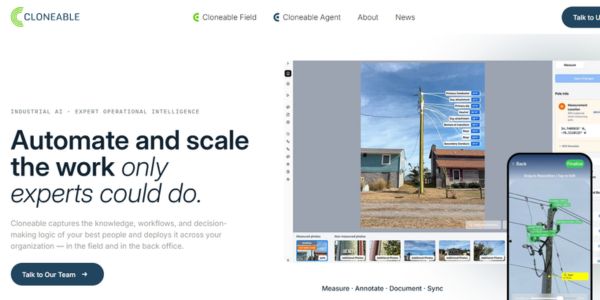
Cloneable is launching an agentic AI platform for infrastructure operations that captures institutional knowledge from retiring experts and turns it into scalable agents, targeting energy, utilities, and other asset-heavy sectors. The $4.6M seed-backed startup aims to connect field data capture with back-office execution so founders and operators can modernize infrastructure faster and with fewer bottlenecks.
Excerpt: Ricursive Superintelligence has raised at least $500 million to build self‑improving AI, with GV and Nvidia backing a four‑month‑old lab at a $4 billion valuation. The deal crystallizes how quickly capital, talent and regulatory scrutiny are converging around autonomous AI research—and what that means for builders trying to compete outside the frontier club.

Brazilian startup BOND has raised US$2M to automate accounting for SMEs in Brazil’s complex tax system. Combining AI with human accountants, it targets a fragmented market of manual processes, aiming to turn back-office compliance into a faster, more strategic function for founders and operators.

Loop just raised a $95M Series C to expand its AI-native supply chain platform, turning messy logistics data into early disruption warnings and better financial outcomes for global operators and shippers.

Linkedin X-twitter-square Facebook-square Startups & Business News AI agents are finally moving from demos to the day-to-day stack of real
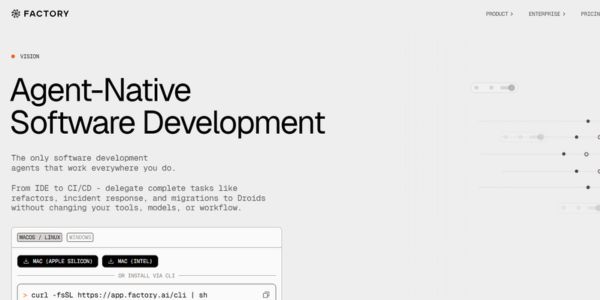
Factory has raised a $150M Series C at a $1.5B valuation to scale its autonomous “Droids” platform, betting that enterprises will standardize software engineering around agent‑native missions, governance and cost‑optimized AI infrastructure.

Solidroad has raised $25 million to bring AI-native quality assurance to every human and AI-powered customer interaction. The new funding will accelerate product development and expansion for support-heavy businesses leaning into automation.
futureTEKnow is focused on identifying and promoting creators, disruptors and innovators, and serving as a vital resource for those interested in the latest advancements in technology.
© 2026 All Rights Reserved.