































Amsterdam, Netherlands
2017
Research & Development, Technology Scouting, Scientific Research, Innovation Management, Materials Science, Chemical Industry, Pharmaceuticals, Semiconductors, Manufacturing, Energy
Findest is an AI-powered research and development technology company that provides software for discovering, evaluating, and managing scientific and technical information. Its platform helps R&D teams investigate engineering challenges, identify relevant technologies, and explore solutions from different industries.
Findest combines artificial intelligence, scientific literature analysis, and technology scouting to support research decisions. Its products, IGOR^AI and The Universe, allow researchers to search scientific publications and patents, organize findings, generate reports, and collaborate on technical projects.
Findest develops software that helps research and development teams identify technologies capable of solving specific scientific and engineering problems.
Its AI system, IGOR^AI, searches scientific publications, patents, and technical information to identify potential solutions based on their functions rather than relying only on conventional keywords. This approach helps researchers discover technologies developed for applications outside their own industries.
Through AI-powered technology scouting, Findest supports activities such as technical research, technology comparison, scientific literature reviews, and the evaluation of alternative engineering approaches.
The company also provides research knowledge management and collaboration tools through The Universe platform. Teams can collect sources, organize research projects, generate summaries, and share findings across departments.
Findest additionally offers technology scouting services that combine its software with technical specialists who investigate research challenges and evaluate potential solutions.
Findest uses artificial intelligence, functional search, and scientific document analysis to help researchers identify technologies relevant to complex engineering and scientific challenges.
Its proprietary AI system, IGOR^AI, analyzes technical information from scientific publications, patents, and other research sources. Findest reports that its searchable research collection includes approximately 250 million scientific papers and patents.
A central part of the technology is function-based technology search. Instead of searching exclusively for the names of known materials, products, or technical approaches, researchers can describe the function they need to achieve. The system then searches for technologies that perform comparable functions, including solutions developed in unrelated industries.
Findest’s research process incorporates functional thinking and methods associated with TRIZ, a structured approach to technical problem-solving. Research questions are analyzed in terms of objectives, functions, constraints, and possible technical means.
The platform uses multiple search formulations to investigate technical questions, ranks relevant documents, and organizes results into technology categories. Its AI-assisted analysis can extract technical parameters, compare findings, and generate research summaries with references to the original sources.
The Universe provides the knowledge management layer, allowing teams to store scientific literature, patents, internal documents, and external findings in shared research projects. A browser extension supports capturing information from websites and technical resources.
Together, these capabilities support source-referenced research, technology comparison, and collaborative R&D decision-making, while allowing researchers to review the underlying evidence.
Research and development teams often face technical challenges that have already been investigated in other scientific disciplines or industries. Finding those connections can require extensive literature reviews, patent searches, and technical evaluations.
Findest addresses this problem through AI-assisted scientific research and cross-industry technology discovery. Its functional search approach allows researchers to investigate how similar technical problems have been solved in different applications.
The platform also helps organizations preserve research findings and make technical knowledge accessible across projects and teams, reducing the need to repeat earlier investigations.
Findest is relevant to the development of AI-powered research and innovation software because it applies artificial intelligence to technical discovery, evidence-based evaluation, and research knowledge management rather than general-purpose content generation.
IGOR^AI is Findest’s artificial intelligence research and technology scouting system. It searches scientific publications, patents, and technical information to identify technologies that address specific research challenges. Its function-based search approach helps researchers discover solutions from different scientific fields, analyze technical documents, and generate source-referenced research findings.
The Universe is Findest’s research intelligence and knowledge management platform. It allows R&D teams to organize scientific information, save technical findings, collaborate on projects, and create research reports. The platform combines shared research collections with AI-powered analysis, helping organizations retain technical knowledge and reuse findings across multiple projects.
The Universe Browser Extension helps researchers capture information from scientific websites, supplier pages, and technical documentation. Saved findings become part of the organization’s shared research environment, where colleagues can retrieve information and identify work that has already been investigated.
Findest’s Technology Scouting Service combines AI-assisted research with technical specialists who investigate engineering and scientific challenges. The service includes defining research objectives, identifying potential technologies, evaluating technical specifications, and preparing reports that support technology selection and research planning.
Findest’s technology is used in research and development activities that require scientific information, technical comparisons, and the discovery of alternative solutions.
In materials science and chemical research, teams can investigate materials, manufacturing processes, and technical approaches that meet specific performance requirements.
In semiconductor and electronics development, researchers can explore technologies related to thermal management, materials, components, and production processes.
For pharmaceuticals, biotechnology, and healthcare research, the platform supports searches for relevant scientific findings, technical methods, and technologies developed across different disciplines.
Manufacturing and industrial engineering teams can use Findest to investigate alternative production technologies, compare technical specifications, and identify potential suppliers.
The platform also supports energy research, sustainability projects, technology scouting, and internal R&D knowledge management.
Findest uses function-based search to identify technologies according to what they do rather than only their names. This allows researchers to discover technical approaches developed in other industries that may address similar engineering challenges.
IGOR^AI analyzes scientific publications, patents, and technical information. Findest reports that its indexed research collection contains approximately 250 million scientific papers and patents, providing a large source base for technical investigations.
Yes. The Universe platform allows teams to organize internal documents alongside scientific literature, patents, and external research findings. IGOR^AI can analyze collected sources and generate summaries with references to the original information.
Yes. Findest offers technology scouting services supported by technical specialists who help define research challenges, identify potential solutions, assess technologies, and prepare research findings for engineering and innovation teams.
Yes. The Universe supports shared research projects, saved findings, comments, evaluations, and collaborative reporting. This allows researchers in different departments to access previous investigations and build on existing technical knowledge.
Have an update, correction, or additional information about this company? Help us keep the futureTEKnow company database up to date by submitting the latest company information.

OpenAI’s Astra for Law combines GPT-6 Astra with specialized legal search, integrations, and governance controls. The launch shows how frontier AI is moving deeper into professional legal workflows.

AI projects often stall because business data isn’t consistent or trustworthy. Here’s how to identify data gaps before they become an AI roadblock.
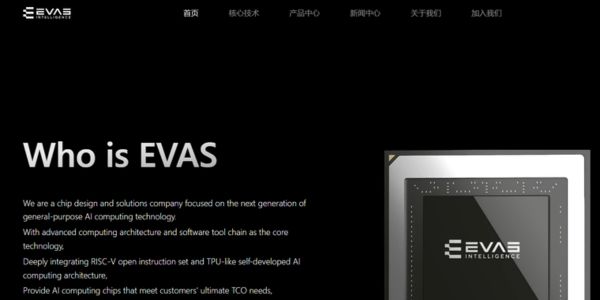
EVAS Intelligence has raised 1.5 billion yuan to mass‑produce its RISC-V Epoch AI chips, deepen its full‑stack platform, and accelerate global expansion, signaling rising investor confidence in alternative AI compute.
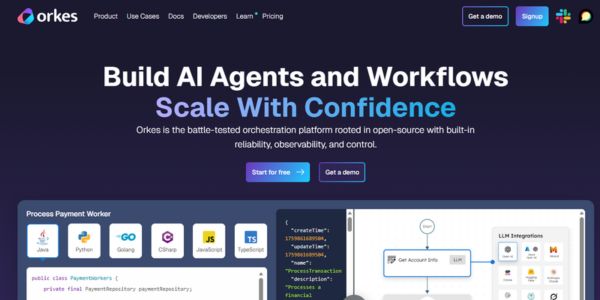
Orkes has raised 60 million dollars to turn its Netflix‑born workflow engine into a control plane for enterprise AI agents. The piece unpacks how its orchestration platform works, why investors are backing it now, and what this means for companies trying to move AI from pilots into production.

Paris-based Sillage has raised €1.7 million to launch an AI signal engine that helps enterprise sales teams follow the right buying signals, prioritize high-intent accounts, and improve pipeline efficiency without replacing human-led conversations.
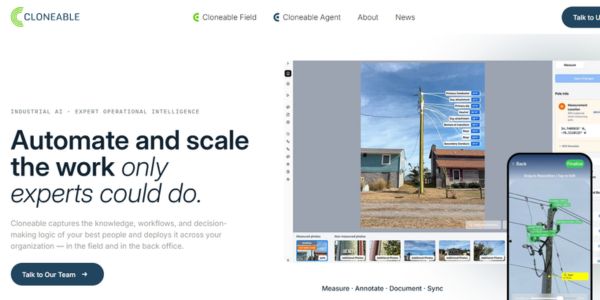
Cloneable is launching an agentic AI platform for infrastructure operations that captures institutional knowledge from retiring experts and turns it into scalable agents, targeting energy, utilities, and other asset-heavy sectors. The $4.6M seed-backed startup aims to connect field data capture with back-office execution so founders and operators can modernize infrastructure faster and with fewer bottlenecks.
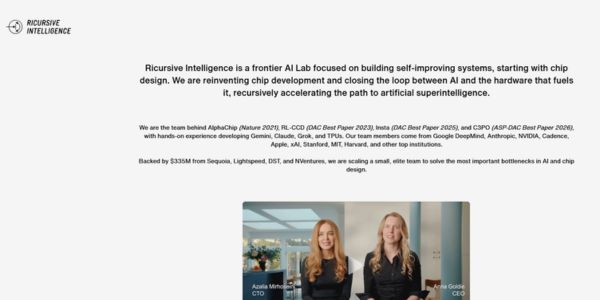
Excerpt: Ricursive Superintelligence has raised at least $500 million to build self‑improving AI, with GV and Nvidia backing a four‑month‑old lab at a $4 billion valuation. The deal crystallizes how quickly capital, talent and regulatory scrutiny are converging around autonomous AI research—and what that means for builders trying to compete outside the frontier club.

Brazilian startup BOND has raised US$2M to automate accounting for SMEs in Brazil’s complex tax system. Combining AI with human accountants, it targets a fragmented market of manual processes, aiming to turn back-office compliance into a faster, more strategic function for founders and operators.

Loop just raised a $95M Series C to expand its AI-native supply chain platform, turning messy logistics data into early disruption warnings and better financial outcomes for global operators and shippers.
Linkedin X-twitter-square Facebook-square Startups & Business News AI agents are finally moving from demos to the day-to-day stack of real
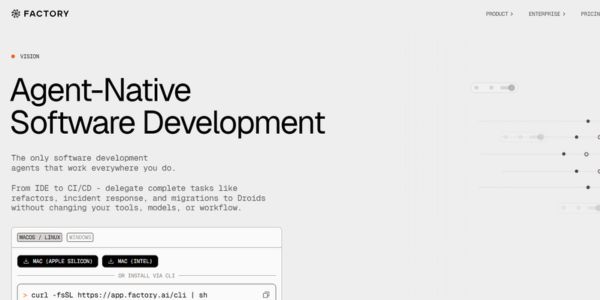
Factory has raised a $150M Series C at a $1.5B valuation to scale its autonomous “Droids” platform, betting that enterprises will standardize software engineering around agent‑native missions, governance and cost‑optimized AI infrastructure.

Solidroad has raised $25 million to bring AI-native quality assurance to every human and AI-powered customer interaction. The new funding will accelerate product development and expansion for support-heavy businesses leaning into automation.
futureTEKnow is focused on identifying and promoting creators, disruptors and innovators, and serving as a vital resource for those interested in the latest advancements in technology.
© 2026 All Rights Reserved.