
Startups & Business News
The Rise of Lovable: Europe’s Newest Unicorn
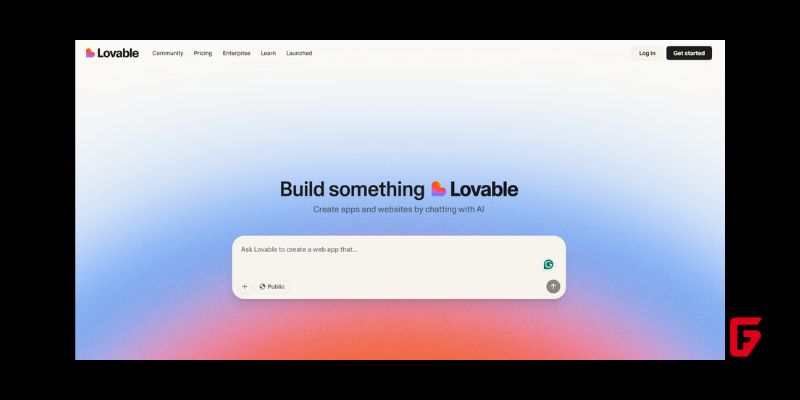
Sweden’s Lovable has exploded onto the tech scene, redefining what it means to build applications in 2025. Founded just two years ago, Lovable enables users of any skill level to create fully functional web apps simply by describing their ideas in natural language—a vision that’s earned it a stunning $200 million Series A round led by Accel and a valuation of $1.8 billion.
The company’s rocket-like growth highlights a seismic shift: democratizing software creation for the 99% who don’t know how to code.
From Idea to App—No Coding Required
At its heart, Lovable lets absolutely anyone turn a concept into a production-ready web or mobile application, all through a simple chat with an AI agent. Forget the usual drag-and-drop tools or boilerplate code—just describe your project and watch as Lovable assembles both front-end and back-end code, configures databases, adds authentication and, most strikingly, gives you editable, exportable source code.
Key platform features include:
Full-stack app generation: Instantly creates real frontend (React) and backend (Node.js, Supabase/PostgreSQL) code, plus database logic.
Prompt-based interface: Users interact via chat, refining their projects with conversational feedback rather than manual edits.
GitHub integration: Every project can be exported for further customization and full code ownership.
Live collaboration: Workspaces and multiplayer features allow real-time teamwork on the same app, perfect for startups and fast-moving product teams.
Security and scalability: Recent updates add advanced security scanning and support for more complex enterprise workloads.
Phenomenal Growth and Real-World Impact
Lovable’s trajectory has stunned even seasoned venture capitalists. In just over half a year, the platform has topped 2.3 million users, helped launch over 10 million projects, and reached an annual recurring revenue of $75 million with more than 180,000 paying subscribers. Enterprise clients, including Klarna, Hubspot, and Photoroom, have also jumped on board.
Empowering the “Last 99%”
Why does Lovable’s story matter so much? For decades, less than 1% of the world’s population had the professional skills to build custom apps and digital products. Lovable smashes that barrier, empowering non-technical founders, product managers, and seasoned developers alike to bring their visions to life. The result: an unprecedented wave of digital creativity and innovation, as anyone with an idea can now build, prototype, and even launch production-grade applications.
Competition, Security, and the Road Ahead
This new AI-driven “vibe coding” space is heating up, with Lovable leading European competitors and keeping pace with US-based giants like Replit and StackBlitz. Strategic moves—such as beefing up security, enabling deeper integrations, and expanding its engineering team—are at the core of Lovable’s ambitious growth plan.
Spotlight: What Makes Lovable Stand Out?
Natural language to code: Turns plain English into full-fledged software, lowering the entry barrier for millions.
Real code, not a black box: Unlike traditional no-code tools, users retain full access to and ownership of application source code.
Enterprise-ready: Scales from simple prototypes to complex, secure, multi-user apps for major companies.
Ecosystem and community: Backed by an all-star cast of investors and tech leaders, plus a rapidly growing user base.
Lovable is rapidly defining a new era in software development—one where ideas, not coding skills, fuel digital transformation. By bridging the gap between inspiration and product, Lovable isn’t just a unicorn; it’s a signal of the future, where anyone can be a maker.

futureTEKnow
Editorial Team
Discover the companies and startups shaping tomorrow — explore the future of technology today.
Most Popular
Trending Companies
Latest Articles
futureTEKnow is focused on identifying and promoting creators, disruptors and innovators, and serving as a vital resource for those interested in the latest advancements in technology.
© 2026 All Rights Reserved.