
Startups & Business News
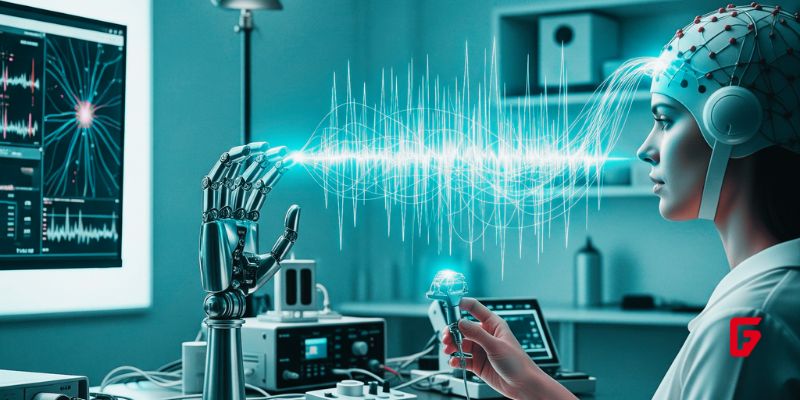
Carnegie Mellon University has just set a new benchmark in brain-computer interface (BCI) technology, unveiling a noninvasive robotic hand that responds to human thought—no surgery required. This breakthrough is a game-changer for assistive robotics and could transform daily life for millions living with disabilities.
What Makes This BCI Hand Special?
Noninvasive EEG-Based Control: Unlike traditional BCIs that require surgical implants, this system uses electroencephalography (EEG) to decode brain signals from outside the skull. That means no medical risks from surgery and a much broader potential user base.
Real-Time, Finger-Level Dexterity: For the first time, users can control individual robotic fingers in real time, not just simple hand movements. Imagine the possibilities: from typing to manipulating small objects, this is a major leap in fine motor control.
Deep Learning at Work: The team leveraged deep learning algorithms to translate subtle EEG patterns into precise finger movements. This enables a level of control that was previously only possible with invasive BCIs.
Why Is This a Big Deal?
Empowering People with Disabilities: Over a billion people worldwide live with some form of disability. Restoring or augmenting hand function can drastically improve independence and quality of life.
Scalable and Accessible: By removing the need for surgery, this technology could be adopted by a much wider population, including both impaired and able-bodied individuals seeking enhanced interaction with machines.
Pathway to Everyday Applications: The research team envisions future uses like brain-driven typing or controlling smart devices purely by thought. This is a step toward making BCI as ubiquitous as smartphones.
Inside the Lab: How the System Works
Participants wore EEG caps that detected their brain activity as they imagined moving specific fingers.
The deep learning model decoded these intentions and translated them into robotic finger movements in real time.
Users successfully performed two- and three-finger tasks just by thinking, demonstrating a level of dexterity previously unseen in noninvasive systems.
What are the key challenges in scaling noninvasive brain-controlled robotics
Scaling noninvasive brain-controlled robotics faces several key challenges that span technical, regulatory, and practical domains:
Signal Quality and Reliability: Noninvasive methods like EEG struggle with low signal-to-noise ratios, making it difficult to consistently decode brain signals for precise, long-term control. Brain activity is dynamic and varies across individuals and sessions, leading to inconsistent performance and requiring frequent, often tedious, subject-specific calibration.
Decoding Accuracy: Translating complex brain-wave patterns into specific, multi-finger robotic actions remains a major hurdle. The challenge is to develop algorithms that can accurately and quickly interpret the user’s intentions, especially for fine motor tasks.
User Variability: Differences in neuroanatomy, psychophysiology, and even daily mental state mean that each user may need personalized training and adaptation, complicating large-scale deployment.
Standardization and Regulation: There are currently no universally accepted standards for BCI devices, particularly for measuring accuracy and safety. Regulatory approval processes are slow and fragmented, and clinical trials often have limited, undiversified participants, making generalization difficult.
Integration and Infrastructure: Many organizations still rely on legacy systems that are not compatible with advanced robotics, leading to high integration costs and slow deployment. Ensuring seamless interoperability across different platforms is a significant barrier.
Cost and Accessibility: High development and implementation costs, including hardware, software, training, and infrastructure upgrades, can be prohibitive, especially for widespread adoption outside research settings.
Ethical and Social Considerations: Issues like privacy, data security, user autonomy, and the broader societal impact of brain-controlled technologies must be addressed as the technology scales.
Long-Term Usability: Maintaining reliable performance over extended periods, especially for chronic use by people with disabilities, is still an open challenge. Human-grade technology for chronic, comfortable interfacing is lacking.
What’s Next?
The Carnegie Mellon team, led by Professor Bin He, aims to refine this technology for even more complex tasks. Their ultimate goal: full hand control for activities like typing, musical performance, or even remote robotic surgery. The potential for clinical impact and mainstream adoption is enormous.
This advance signals a future where mind-controlled technology is not just science fiction, but a practical tool for enhancing human ability—no wires, no surgery, just the power of thought.

futureTEKnow
Editorial Team
Discover the companies and startups shaping tomorrow — explore the future of technology today.
Most Popular



Trending Companies
Latest Articles
futureTEKnow is focused on identifying and promoting creators, disruptors and innovators, and serving as a vital resource for those interested in the latest advancements in technology.
© 2026 All Rights Reserved.