
Startups & Business News
Staan: Europe’s Privacy-First Search Index Challenges Big Tech
KEY POINTS
Qwant and Ecosia have launched Staan, a new European search index prioritizing privacy and cost-effectiveness as an alternative to Google and Bing.
The initiative targets handling up to 50% of French and 33% of German web searches by the end of the year, supporting Europe’s effort for digital sovereignty.
Staan offers a significant economic advantage in AI development, enabling AI chatbots and tools to use its index at a fraction of the cost compared to U.S. providers.
The move comes amid rising Big Tech API costs and aims to foster a resilient European tech ecosystem based on GDPR compliance and minimized user tracking.

Why Are European Search Engines Building Their Own Index?
In a surprising but strategic move, two of Europe’s more well-known search challengers—Qwant and Ecosia—have teamed up to roll out a new search index named Staan, designed specifically with Europeans and their values in mind. This marks a dramatic shift in Europe’s digital landscape, where the U.S. tech giants have dominated for decades.
What’s driving this push? Frankly, it’s part necessity, part ambition. As Microsoft and Google continue to ratchet up the costs for access to their search infrastructure, European search engines such as Qwant and Ecosia found their futures increasingly at the mercy of decisions made in Redmond and Mountain View. By building Staan under the freshly minted European Search Perspective (EUSP) joint venture, these companies aim to regain both operational control and a clear sense of mission: privacy-first, cost-effective, and homegrown.
We’re building a search experience that respects users, not exploits them,” -Olivier Abecassis, CEO of Qwant and EUSP
How Does Staan Put Privacy First?
Privacy isn’t just a buzzword for Staan—it’s a core architectural principle. Unlike many mainstream search engines that relentlessly profile users and monetize personal data, Staan is built on GDPR compliance, data minimization, and European data processing. Your searches stay protected within European borders. No tracking, no behavioral quirks being analyzed to sell you stuff, just search results without a digital footprint.
This focus on privacy is more than just noble—it’s necessary. With privacy concerns growing worldwide and disillusionment with Big Tech spreading, there’s a real appetite for engines that don’t watch your every move. Staan’s approach is transparent, with data collected only as absolutely needed—meaning users can search with true peace of mind.
Can Staan Compete with Google and Bing Technologically?
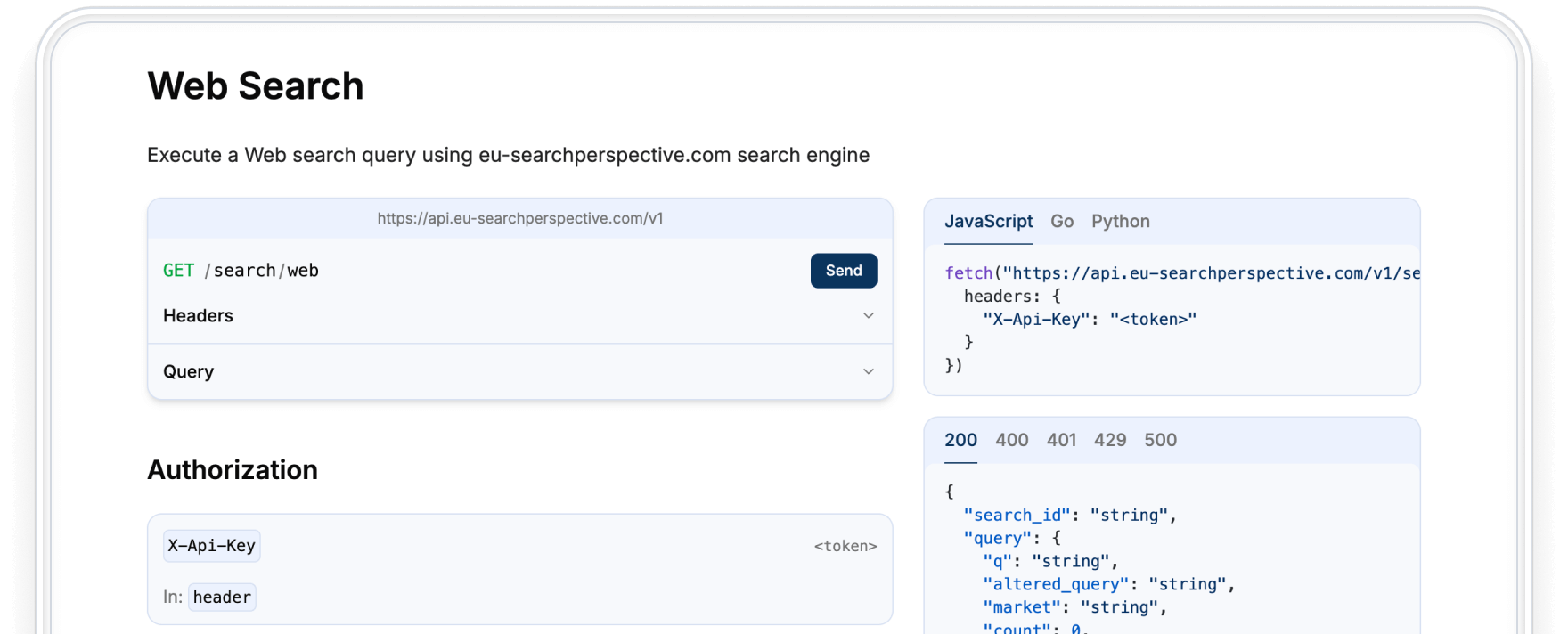
That’s the billion-euro question. While the technical might of Google and Bing is immense, Staan offers a leaner, more focused alternative. For now, Staan targets to process around 50% of French web searches and 33% of German searches by the end of the year—no small feat in its first phase.
To do that, Qwant and Ecosia are integrating Staan directly into their platforms, powering features like AI-generated summaries that don’t rely on U.S. infrastructure. The ambition goes further: Staan aims to empower AI chatbots with its privacy-centric index at about a tenth of the cost of traditional providers, dramatically lowering the entry barrier for European startups working in AI. This reduced cost structure could revolutionize how European products use web search and knowledge grounding for artificial intelligence.
What’s the Economic and Strategic Impact of Staan?
By establishing technical sovereignty, Europe can better withstand global shocks—whether that’s tougher U.S. licensing terms or unexpected political changes. Staan’s appeal isn’t just technological; it’s socioeconomic. Lower costs mean more room for European innovation, and the transparent, privacy-first design aligns with growing regulatory focus on digital sovereignty and compliance.
For developers, Staan’s affordable access opens new doors for integrating powerful search features into AI agents, chatbots, and next-generation applications without the prohibitive licensing fees of Big Tech. For users, it’s a promise of less bias, reduced surveillance, and meaningful choice in where and how they search the web—no small matter as digital rights debates heat up across the continent.
What Challenges Lie Ahead for European Alternatives Like Staan?
Of course, the journey won’t be easy. Convincing millions of users to switch from Google’s iron grip and building an index that stays competitive on relevance and speed is a mighty undertaking. But the momentum is unmistakable, thanks to a rare alignment of consumer demand, regulatory leadership, and strategic necessity.
As more companies recognize the risk of depending on foreign tech, and as users grow wary of opaque data practices, the significance of projects like Staan will only increase. This effort, if successful, could set the stage for a new era in Europe—a digital ecosystem defined not only by competitive features but by trust, privacy, and local control.
Staan represents more than a technical upgrade. It’s an ideological and practical shift—one that just might point the way for the rest of the world wondering what comes after Big Tech hegemony.

futureTEKnow
Editorial Team
Discover the companies and startups shaping tomorrow — explore the future of technology today.
Most Popular



Trending Companies
Latest Articles
futureTEKnow is focused on identifying and promoting creators, disruptors and innovators, and serving as a vital resource for those interested in the latest advancements in technology.
© 2026 All Rights Reserved.