
Startups & Business News
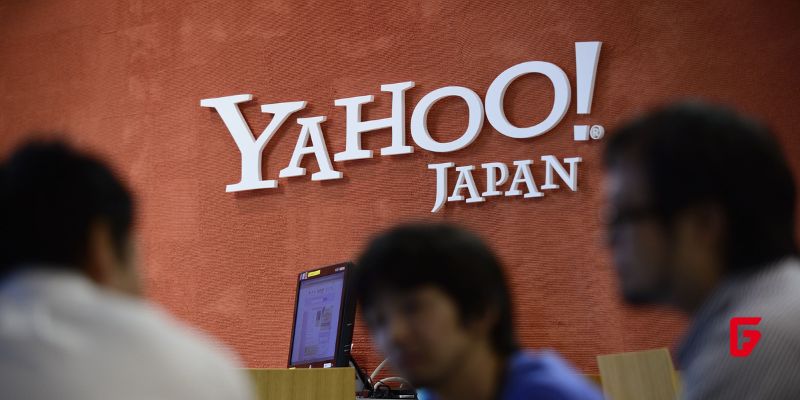
Yahoo Japan has taken a pioneering leap into the future of work with its new policy: every one of its 11,000 employees must integrate generative AI tools into their daily routines. The goal? Double company-wide productivity by 2028.
Why the Big Push?
Like countless other global tech firms, Yahoo Japan has recognized that routine office work—searching for information, drafting documents, managing expenses—claims nearly a third of employees’ time. By letting AI handle these time-consuming foundational tasks, the company wants its talent focused on higher-level strategy, communication, and innovation.
Enter SeekAI: Yahoo Japan’s In-House AI Engine
Supporting this sweeping transformation is SeekAI, Yahoo Japan’s proprietary AI platform. This tool is built to tackle everything from expense claim automation to data search, document drafting, and even meeting summarization, using prompt templates and advanced natural language processing. Whether it’s generating reports, prepping meeting agendas, or sifting through vast amounts of company data, SeekAI promises to make administrative headaches a relic of the past.
A Measured Approach: Starting with 30% Task Automation
Yahoo Japan’s AI integration begins with the automation of about 30% of daily office tasks—the kind that typically drain hours but don’t demand much creative or strategic input. Think of it as giving every employee their own digital assistant, freeing up bandwidth for ideas, collaboration, and decision-making.
AI as Enabler, Not Eliminator
One of the most significant aspects of Yahoo Japan’s initiative is the emphasis on AI as a support layer rather than a replacement for human ingenuity. The company is clear: AI won’t replace jobs, but will elevate the role of human employees, shifting focus to problem-solving and creative work where human judgement is irreplaceable.
Enterprise AI—Cultural Shift or Growing Pains?
While the plan sounds ambitious (and perhaps a little futuristic), it’s not without hurdles. Some employees and industry watchers have voiced concerns about potential resistance, technical challenges, and the risk of over-reliance on AI for core tasks. Yet, Yahoo Japan’s leadership sees this as a necessary evolution, reflecting a growing trend of “AI-augmented” workplaces rather than AI-driven layoffs.
The Broader Trend: Follow the Leaders
Yahoo Japan isn’t alone. Tech giants worldwide, from Shopify to Google, are urging teams to show how they’re implementing AI before asking for more resources. As tools like SeekAI demonstrate clear value—speeding up work, reducing errors, and unburdening teams—the hope is that generative AI will become as commonplace (and expected) as email or spreadsheets.
As the AI-powered office quickly becomes a reality, all eyes will be on Yahoo Japan to see if this experiment can indeed double productivity—and perhaps, even more importantly, transform the nature of work for the better.

futureTEKnow
Editorial Team
Discover the companies and startups shaping tomorrow — explore the future of technology today.
Most Popular
Trending Companies
Latest Articles
futureTEKnow is focused on identifying and promoting creators, disruptors and innovators, and serving as a vital resource for those interested in the latest advancements in technology.
© 2026 All Rights Reserved.