
Startups & Business News
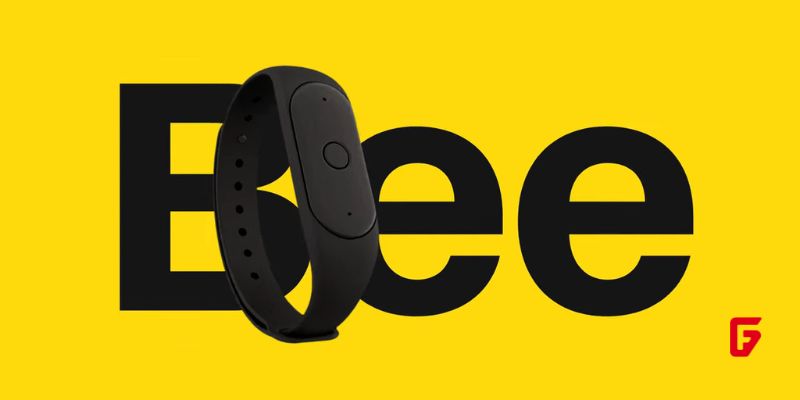
Amazon just made a substantial move into the world of AI wearables by acquiring Bee, a San Francisco-based startup behind a device that quietly promises to change the way we capture daily life. This wristband isn’t about counting steps or tracking heart rates—it’s about recording, transcribing, and making sense of every conversation you have throughout the day
What Is the Bee AI Wearable?
The Bee device, resembling a minimalist fitness tracker, is worn on the wrist or clipped on and features two microphones, a simple button, and a distinctive lack of flashy screens. Its main function is clear: constantly listen, transcribe speech in real time via your smartphone, and use AI to deliver personalized summaries, reminders, and digital memories.
Seven-day battery life ensures ongoing awareness.
A $49.99 price tag puts it far below the likes of Meta’s smart glasses or other AI pins.
No subscription required, though there’s an app and subscription tier for power users.
Physical mute button gives users quick control over privacy.
Reinventing Everyday Memory
The Bee device doesn’t just dump audio files into the cloud. It transcribes conversations on the spot, then analyzes and organizes information. Key features include:
Creating a searchable timeline of experiences.
Suggested to-do lists and reminders pulled straight from casual chats and meetings.
Integration with your calendar, contacts, emails, photos, and location data for deeper context.
Daily summaries—think of it like a personalized journal written by AI.
Privacy: A Double-Edged Sword
Always-on microphones naturally trigger privacy debates. Bee’s team previously committed to not storing raw audio and processing everything locally or with encryption, deleting recordings after use. However, with Amazon’s track record on privacy—think Ring doorbells and cloud services—industry watchers are wondering if these commitments will stick.
Amazon says it designs products to “protect customers’ privacy and security and to make it easy for them to be in control,” but stops short of promising to keep old Bee privacy protocols unchanged.
All audio is transcribed, not stored.
Transcripts and summaries are encrypted.
Physical mute and manual deletion options are available.
Competitive Landscape: Wearable AI Arms Race
Amazon’s move isn’t happening in a vacuum. There’s a scramble among tech giants to define the next must-have AI accessory:
Meta is focusing on AI-powered glasses and eyewear partnerships.
OpenAI is reportedly working on voice-native AI devices with legendary hardware talent.
The Bee device stands out for its simplicity and affordability, especially compared to previous failed ventures like the Humane AI Pin or Rabbit R1.
The wearables market is shifting rapidly, with analysts predicting that AI-driven devices could soon grab a major share of the space. For Amazon, Bee represents both a return to wrist-based hardware (after scrapping its Halo fitness tracker) and a serious push to reboot Alexa and related services.
Why This Matters: The Next Digital Memory
Amazon’s acquisition signals a future where AI enhances, filters, and remembers your life as it happens. The Bee wristband is a first step toward technology that acts as a “second brain”—always listening, always organizing, and always ready to assist without the friction of screens or keyboards.
However, this new phase raises fresh questions about consent, trust, and data ownership. As the line between personal note-taking and surveillance blurs, only time will tell whether consumers embrace this level of intimacy with AI—or walk away.
Key takeaways:
Bee is the most affordable, always-on AI wearable entering the market.
Transcribes, summarizes, and creates a digital record of your life—with privacy at the forefront.
Amazon’s move may reshape the future of intelligent personal assistants and digital memory.
This is one development every tech watcher should keep an eye on as the boundaries of AI, wearables, and personal privacy keep evolvinglving.

futureTEKnow
Editorial Team
Discover the companies and startups shaping tomorrow — explore the future of technology today.
Most Popular
Trending Companies
Latest Articles
futureTEKnow is focused on identifying and promoting creators, disruptors and innovators, and serving as a vital resource for those interested in the latest advancements in technology.
© 2026 All Rights Reserved.