
Startups & Business News
Apple’s $600 Billion Bet on American Innovation: What It Means for the Future of Tech
KEY POINTS
Apple commits $600B to expand U.S. manufacturing over four years, launching the American Manufacturing Program (AMP).
All iPhone and Apple Watch cover glass will be made in Kentucky, thanks to a $2.5B partnership with Corning.
Over 450,000 new jobs projected nationwide, with major investments in silicon (chip) engineering and AI infrastructure.
Apple partners with tech giants like Texas Instruments, Broadcom, Samsung, and more to build an end-to-end domestic chip supply chain.
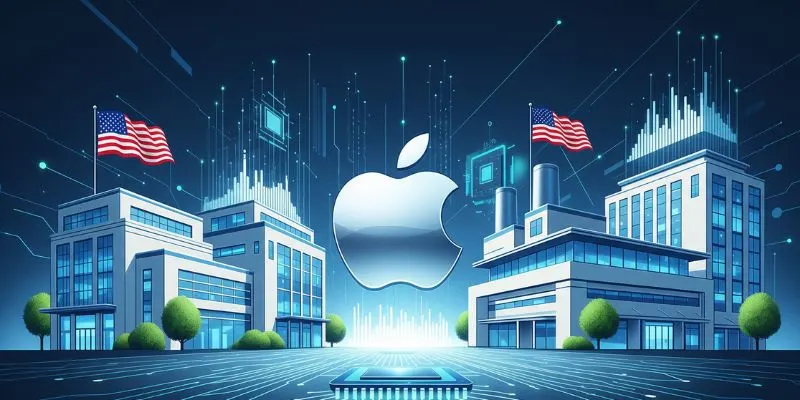
Apple has just thrown down the gauntlet with an unprecedented $600 billion investment in U.S. manufacturing, announcing an additional $100 billion commitment at a White House event on August 6, 2025. With President Trump and Apple CEO Tim Cook sharing the stage, it’s clear this isn’t just another press release—it’s a tectonic shift for Apple, American workers, and the global tech supply chain. If you care about where the next iPhone, Mac, or Apple Watch comes from (and how technology shapes our economy), here’s why the move is so important—and what comes next.
The Big Announcement: What Is Apple’s New U.S. Manufacturing Push?
Building on its earlier $500 billion pledge, Apple’s fresh $100 billion injection is fueling a wide-reaching initiative called the American Manufacturing Program (AMP). This isn’t just lip service—Tim Cook made it clear: “Every new iPhone and every new Apple Watch sold in the world will contain cover glass made in Kentucky.” Apple is partnering with Corning, spending $2.5 billion just on glass for its flagship devices.
But the move goes much deeper than glass. Apple is forging ahead to make America the destination for advanced chipmaking. Through partnerships with Texas Instruments (for silicon wafers), Samsung (for new chip fabrication tech in Texas), Broadcom, GlobalWafers America, Applied Materials, and other major players, Apple aims to manufacture over 19 billion chips for its products by 2025—in 24 facilities across 12 states.

What Are the Most Significant Apple Advancements for 2025?
Apple isn’t just moving supply chains; it’s feeding long-term innovation:
Kentucky-made iPhone and Apple Watch glass ramps up with Corning, expanding a partnership that brings manufacturing jobs home and boosts local economies.
Next-gen chips for Apple devices—from iPhones to AI servers—will increasingly originate on U.S. soil, as Apple doubles down on silicon engineering and AI infrastructure.
The Houston factory produces advanced AI servers, supporting Apple Intelligence, the company’s answer to the generative AI revolution.
New jobs are coming: Apple will grow its workforce by at least 20,000 in high-value fields like R&D, silicon design, software, AI, and advanced manufacturing.
How Will Apple’s New Investments Impact Future Products—Will iPhones Be Made Entirely in the U.S.?
While Apple is dramatically increasing U.S. manufacturing, a 100% American-made iPhone is still years away. The supply chain remains global, but the trend is clear: core components—glass, chips, some assembly—are shifting stateside, under direct political and economic incentives. As President Trump touts new tariffs on foreign chips, Apple’s bet is simple: make more in America, avoid tariffs, and boost domestic tech leadership.
Why Is Apple Focusing on U.S.-Based Manufacturing Now?
Geopolitical pressure: U.S.-China trade tensions and rising tariffs are pushing companies like Apple to “reshore” vital parts of their supply chains.
Political incentives and tariffs: The latest Trump tariffs would exempt U.S.-made chips, creating a strong incentive for domestic production.
Innovation and jobs: Apple is aiming to be not just a design leader, but a driver of American high-tech manufacturing—jobs, factories, and research included.
Key U.S. Partners Powering Apple’s Manufacturing Renaissance
Corning (Kentucky): iPhone and Apple Watch glass
Texas Instruments (Texas): Wafers and chip fabrication
Samsung (Texas): Advanced chip-manufacturing tech
Broadcom, GlobalWafers, Applied Materials: Core chip manufacturing and supply chain engineering
This “coalition of innovators” is at the core of Apple’s American Manufacturing Program, connecting cutting-edge tech with high-value American jobs.
Is This the Start of a New Era for American Tech?
Apple’s $600B investment isn’t just good optics—it’s a doubling down on American ingenuity, manufacturing, and technological sovereignty. Sure, your next iPhone might still be assembled abroad, but every new chip and every scrap of glass is more likely to be “Made in the U.S.A.” than ever before. It’s a wake-up call for tech—and for anyone who wants to know where the future of innovation is being built.

futureTEKnow
Editorial Team
Discover the companies and startups shaping tomorrow — explore the future of technology today.
Most Popular



Trending Companies
Latest Articles
futureTEKnow is focused on identifying and promoting creators, disruptors and innovators, and serving as a vital resource for those interested in the latest advancements in technology.
© 2026 All Rights Reserved.