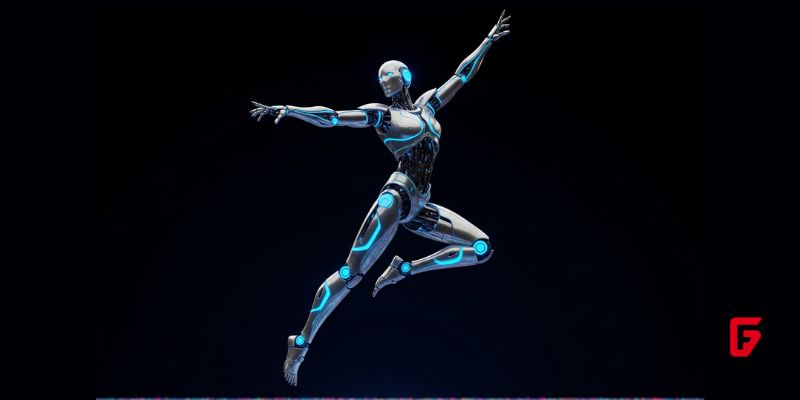
Robotics has always been about pushing boundaries—making machines move faster, jump higher, and adapt to the world around them. But the latest breakthrough from MIT’s Computer Science and Artificial Intelligence Laboratory (CSAIL) shows that the next leap in robotics might come not from human ingenuity alone, but from the creative power of generative AI.
What’s New: AI-Driven Robot Design
MIT researchers have harnessed diffusion models—the same kind of generative AI behind tools like DALL-E—to rethink how robots are designed. Instead of just generating images or videos, these models can now create and optimize physical robot components. Here’s how it works:
Start with a 3D model: Engineers draft a robot and specify which parts they want AI to improve.
AI brainstorms and simulates: The diffusion model generates new shapes for those parts, simulates their performance, and iterates until it finds the most promising design.
Build and test: Once the optimal design is found, it’s 3D printed and tested in the real world—no extra tweaks required.
The Results: Higher Jumps, Safer Landings
The team put this approach to the test by designing a jumping robot. The AI-generated version could leap about 41% higher than its human-designed counterpart. The secret? Instead of straight, rectangular linkages, the AI proposed curved, drumstick-like connections that store more energy and release it efficiently during a jump.
But jumping high isn’t enough. The researchers also used AI to design a new foot for the robot, optimizing it for stable landings. The result: the robot fell 84% less often than before, showing that AI can balance multiple design goals—like height and stability—simultaneously.
Why Diffusion Models Matter
Traditional engineering often relies on intuition and incremental tweaks. Generative AI, on the other hand, can explore unconventional solutions that humans might overlook. For example, when the team tried to make the robot’s links thinner to reduce weight, the material became too fragile. The AI sidestepped this by inventing a new shape that was both strong and energy-efficient.
This isn’t just about jumping robots. The same approach could help companies rapidly prototype manufacturing or household robots, saving time and uncovering better designs than traditional trial-and-error methods.
What’s Next: AI as a Creative Partner
MIT’s work is a glimpse into a future where engineers and AI collaborate. Imagine using natural language to ask an AI to design a robot that can pick up a mug or operate a tool, and having the system generate, test, and refine ideas in hours instead of weeks.
As materials and AI models improve, we’ll see even more dramatic gains. The researchers believe future robots could jump higher and adapt better, especially as lighter and more flexible materials become available,
Key Takeaways for the Tech Community
Generative AI is now a tool for physical innovation, not just digital creativity.
Diffusion models can optimize real-world performance—from jumping height to landing safety—by simulating and refining thousands of designs.
AI is becoming a creative partner in engineering, offering solutions that blend physics, materials science, and machine learning.
For founders, engineers, and anyone interested in the future of robotics, MIT’s breakthrough is a clear signal: the next wave of innovation will be co-designed by humans and AI.
Curious how generative AI could accelerate your own robotics projects? The era of AI-driven prototyping is just getting started.