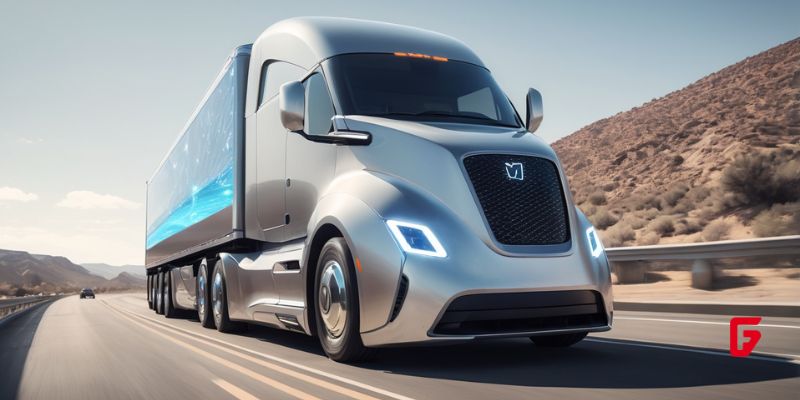
Kodiak Robotics is making headlines again, this time by weaving Vay’s remote driving technology into the heart of its autonomous trucking platform. This partnership isn’t just about adding another gadget to the dashboard—it’s about rethinking how human expertise and AI can work together to make self-driving trucks safer and more flexible than ever before.
What’s Actually New Here?
While autonomous trucks have been making steady progress, there are still edge cases—think construction zones, facility entrances, or those unpredictable moments with first responders—where a little human intuition goes a long way. That’s where Vay comes in. Their remote driving setup, known as the Vay Station, lets a trained operator take the wheel from afar, but only in clearly defined, low-speed scenarios.
The Vay Station isn’t a simple joystick and webcam. It’s a full rig with a steering wheel, pedals, screens, and a software stack designed for ultra-low latency. This means the remote driver can react almost in real time, guiding the truck through tricky situations while Kodiak’s own “Assisted Autonomy” system keeps a close watch and enforces strict safety limits.
Assisted Autonomy: The Hybrid Approach
Kodiak’s take on autonomy isn’t about letting the truck run wild. Their “Assisted Autonomy” approach blends the best of both worlds:
- Human-in-the-loop: Remote drivers step in for the first or last few minutes of a route, or when the truck encounters something unexpected—like a construction detour or complex facility entrance.
- AI at the core: Even when a human is remotely controlling the truck, Kodiak’s autonomous system is still active, monitoring every move and ready to intervene if something goes off-script.
- Scalable and safe: By relying on remote operators only when needed, Kodiak can keep trucks rolling autonomously on highways while still handling those “last-mile” challenges that trip up full automation.
Why Does This Matter?
Let’s be real: Full autonomy is a tough nut to crack, especially when it comes to the unpredictable world of logistics. Kodiak’s approach is pragmatic. Instead of waiting for AI to master every possible scenario, they’re leveraging human judgment where it counts—without sacrificing the efficiency and safety benefits of autonomy.
This hybrid model also means Kodiak can deploy its technology in more places, faster. For example, their trucks are already running driverless deliveries in the Permian Basin, a region known for its tough conditions and complex logistics. With remote driving support, they can handle everything from industrial site navigation to law enforcement interactions.
The Bigger Picture
Kodiak’s partnership with Vay is a glimpse into the future of autonomous vehicles—a future where humans and machines collaborate seamlessly. It’s not about replacing drivers, but about redeploying their expertise in smarter, more scalable ways.
As the industry moves closer to widespread driverless trucking, expect to see more of these hybrid solutions. Kodiak’s bet is that the path to full autonomy isn’t a straight line, but a carefully managed handoff between AI and human intelligence.
Bottom line: Assisted autonomy isn’t just a stopgap—it’s a strategic evolution, and Kodiak is leading the charge.