
Startups & Business News
Pinterest’s Bold Move: AI Shopping Assistant, Not AI Shopper
KEY POINTS
Pinterest’s CEO Bill Ready says fully autonomous, agentic AI shopping is years away, emphasizing today’s tech focuses on assisting—not replacing—the shopper.
Pinterest positions itself as an AI-enabled shopping assistant, leveraging AI for personalized recommendations, visual/conversational search, and tailored ads.
Current industry challenges include low-quality AI-generated content, moderation tool missteps, and competition for AI talent, all while balancing ethical AI development.
Over half of Pinterest’s monthly users are Gen Z, and male user engagement jumped 95% year-over-year, as AI-powered experiences drive platform growth.
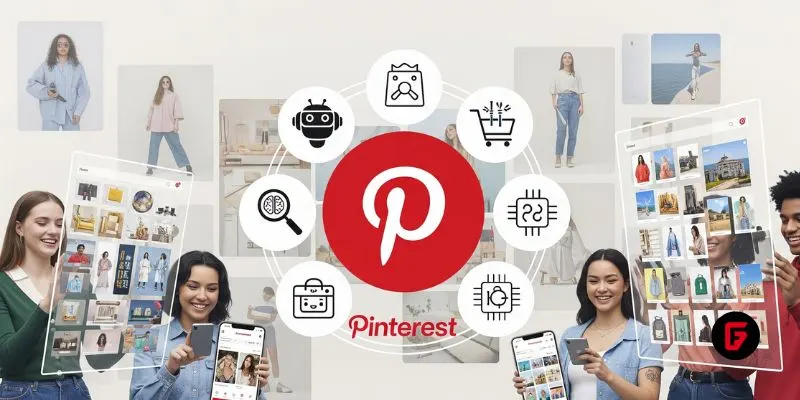
How Pinterest is Powering Shopping with AI
Pinterest’s vision is about leveraging AI to personalize the shopping journey, rather than automating it end-to-end. Here’s how they’re doing it:
Personalized Recommendations: Pinterest’s AI algorithms analyze user behavior and preferences, surfacing Pins that “just feel right” for each individual. Users commonly say, “Pinterest gets me”—the result of relentless algorithmic tuning.
Visual and Conversational Search: You can snap a photo or type a conversational query, and Pinterest’s AI finds matching products, styles, and ideas almost instantly. It feels like you’re chatting with a very savvy shopping friend, not a robot shopper.
Targeted Ads and Content: Pinterest’s AI also fine-tunes what ads you see, ensuring they’re relevant, timely, and sometimes even fun.
Multi-Modal AI: The platform cleverly blends text, images, and context, making product and style discovery natural—even addictive.
Why Isn’t Agentic AI Shopping Mainstream?
Why has agentic AI shopping—bots that buy for you—stalled? According to Ready, several hurdles still exist:
Trust and Control: Most people want to see what they’re buying, compare options, and feel in control. Surrendering the process to an “agent” just isn’t comfortable for high-stakes or personal purchases yet.
Tech Hurdles: Building bots that understand complex taste, occasion, and emotional context is incredibly hard. AI is great at suggestion, but not yet at interpreting your whims or shopping “gut”.
Industry Stumbles: Across platforms, poorly-policed AI content and rogue moderation tools have created headaches—think user bans and a tidal wave of low-quality Pins. Pinterest is introducing labels and filters to help users navigate this “AI Cambrian Moment,” as Ready called it.
The bottom line: It’s not just about what AI can do, but what people are ready for—and for now, most shoppers want help, not a substitute.
What Sets Pinterest’s Approach Apart in the AI Shopping Race?
Pinterest is betting that inspiration beats automation, at least for now. While Amazon, PayPal, and other giants are experimenting with buying agents, Pinterest is carving out a unique spot:
“We’re at the start of the shopping journey,” Ready emphasized. Pinterest helps users dream, plan, and refine their tastes long before the “buy now” button comes into play.
The platform’s focus on AI-driven inspiration, rather than shopping automation, positions it perfectly for complex, considered, or fun purchases—think home decor, fashion, or hobbies.
Gen Z is driving the surge, now making up over half the monthly user base, and men are joining in record numbers (up 95% year-over-year).
Pinterest is also addressing the dark side of AI—the flood of junk content and moderation missteps—by boosting transparency and refining its algorithms. It sees ethical, “positive” AI as a competitive edge.

Diego Alvarez is a Staff Writer at futureTEKnow, covering AI startups and ecosystems across Latin America, with a focus on real‑world deployments and local markets.
Discover the companies and startups shaping tomorrow — explore the future of technology today.


Trending Companies
Latest Articles
futureTEKnow is focused on identifying and promoting creators, disruptors and innovators, and serving as a vital resource for those interested in the latest advancements in technology.
© 2026 All Rights Reserved.